EC Chief assures fair play as 5 states head to polls, vows zero tolerance on violations
India enters a crucial election phase, and preparations gather pace. First, the Election Commission of India announces Assembly polls in five states. These include Assam, West Bengal, Tamil Nadu, Kerala, and Puducherry. With this, the country moves into a high-stakes political contest.
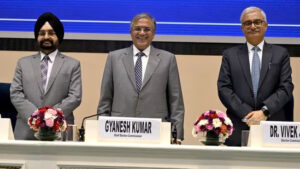
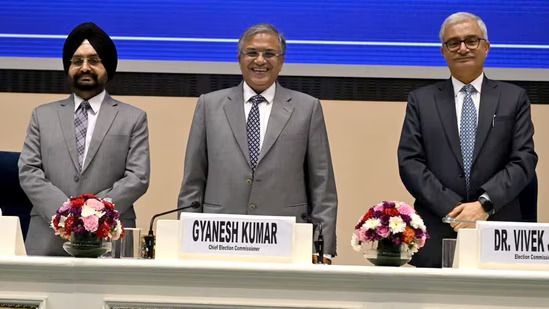
Soon after, Chief Election Commissioner Gyanesh Kumar sets the tone. He stresses strict enforcement of rules. He states clearly that the Commission will not allow violence, intimidation, or inducement. He aims to ensure that every voter exercises choice freely and without pressure.
Meanwhile, the Commission strengthens its ground strategy. Officials coordinate with state administrations and security agencies. They focus on sensitive areas and plan tighter monitoring. On the ground, election teams review polling stations and update logistics. Security personnel increase patrols in vulnerable districts.
At the same time, political activity intensifies. Parties launch campaigns and mobilize workers. Rallies, meetings, and door-to-door outreach gain momentum. Voters engage actively, and the atmosphere grows competitive. However, authorities keep a close watch on campaign conduct.
In response to concerns over fairness, the Commission takes firm steps. It orders transfers of key officials across states. These include senior police officers, district magistrates, and top administrative figures. This move aims to remove bias and ensure neutrality.
Additionally, the Commission deploys over 1,100 central observers. These officers monitor every phase of the election process. They track compliance with rules and report violations quickly. Their presence strengthens transparency and accountability at every level.
Looking at the background, past elections raised concerns about administrative bias. Some officials faced action for following rules, while others gained from political alignment. This time, the Commission acts early to avoid such issues. It sends a clear signal that it will protect institutional integrity.
However, criticism continues from opposition parties. Leaders from Trinamool Congress and others question the Commission’s neutrality. They allege bias toward the ruling party at the Centre. Despite this, the Commission maintains its stance and avoids engaging in political debate.
On the ground, voters show mixed reactions. Some express confidence in tighter monitoring. Others remain cautious and wait to see how measures play out during polling. Still, security arrangements and observer deployment offer a sense of assurance.
In conclusion, the Election Commission pushes for a clean and credible electoral process. It combines strict rules, administrative reshuffles, and close monitoring. As polling dates approach, all eyes remain on execution. The coming weeks will test whether these efforts deliver truly free and fair elections across all five states.