Dhurandhar Review: Ranveer Drives the Mission, but Akshaye dominates the battlefield
Aditya Dhar returns to the big screen with Dhurandhar, and he wastes no time shaping its world. He sets the tone in the opening scenes. He pushes India forward as the survivor, the strategist, and the relentless hunter. He frames Pakistan as the hub of global terror networks. The film announces its politics clearly, and Dhar moves straight into his version of modern history.
He breaks the first half into eight chapters. Each chapter jumps to a major attack that shook India. He revisits the Kandahar hijacking, the Parliament assault and the 26/11 carnage. He links these tragedies and argues that India needed a new doctrine. He then unveils Operation Dhurandhar. The plan relies on stealth, speed and an aggressive intelligence playbook.
Dhar builds Karachi’s Lyari town with striking realism. He fills it with narrow alleys, simmering tension and violent unpredictability. He creates a world that invites curiosity and forces viewers to read more after watching. If Uri carried loud patriotism, Dhurandhar follows a colder, more calculated route.
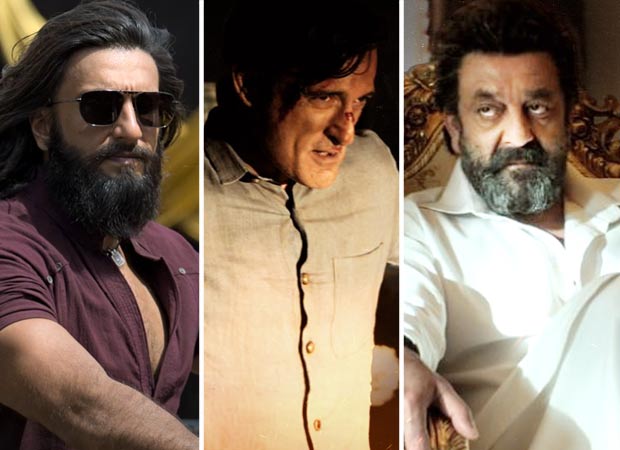
Ranveer Singh leads the film as Hamza Ali Mazhari. He plays him with grit and with a fire that rarely softens. Yet Akshaye Khanna steals the frame each time he appears. He becomes Rehman Baloch, also known as Dakait, with frightening calm. His eyes show grief, strategy and danger in equal measure. His performance carries the film’s emotional weight. It stands out as one of his strongest in years.
Sanjay Dutt brings force as Chaudhary Aslam. Arjun Rampal offers icy control as the ISI chief. Rakesh Bedi adds sharp humour as Jamaal, a politician who shifts alliances with ease. Together, they strengthen the film’s political canvas.
Dhar walks into sensitive territory when he portrays Pakistan. He avoids cartoonish stereotypes. Instead, he shows a mix of politics, conflict and fractured loyalties. He goes deeper into the Pakistan–Balochistan tensions. He highlights infiltration routes and internal rivalries. However, he also frames Pakistan as the architect of the danger India faces.
The film argues that India always stays a step ahead. It celebrates covert missions and intelligence breakthroughs. Ranveer’s Hamza voices the film’s emotional thesis when he declares, “I strike harder because I carry wounds.” That line mirrors the story’s moral stand.
Dhar uses real 26/11 footage to remind viewers how television coverage helped the attackers follow the rescue operations. The scenes unsettle and provoke reflection. They also show how terror outfits study every move in real time.
The film adds a softer layer through Hamza’s bond with Sara Arjun. Their scenes offer breathers in a story packed with violence and political manoeuvring.
However, the runtime hurts the experience. At three hours and thirty-four minutes, the film stretches beyond comfort. Several shots linger too long. The violence overwhelms instead of shocking with purpose. With sharper editing, it could have become a tighter and more explosive thriller.
The music supports the film well. Karvaan stands out, and classics like Hawa Hawa add surprise value. Dhar aims high with Dhurandhar. He delivers an intense, ambitious and politically charged thriller. Thanks to Akshaye Khanna’s brilliance, the film lands most of its punches.