DGCA fires 4 IndiGo flight inspectors as airline faces turbulence
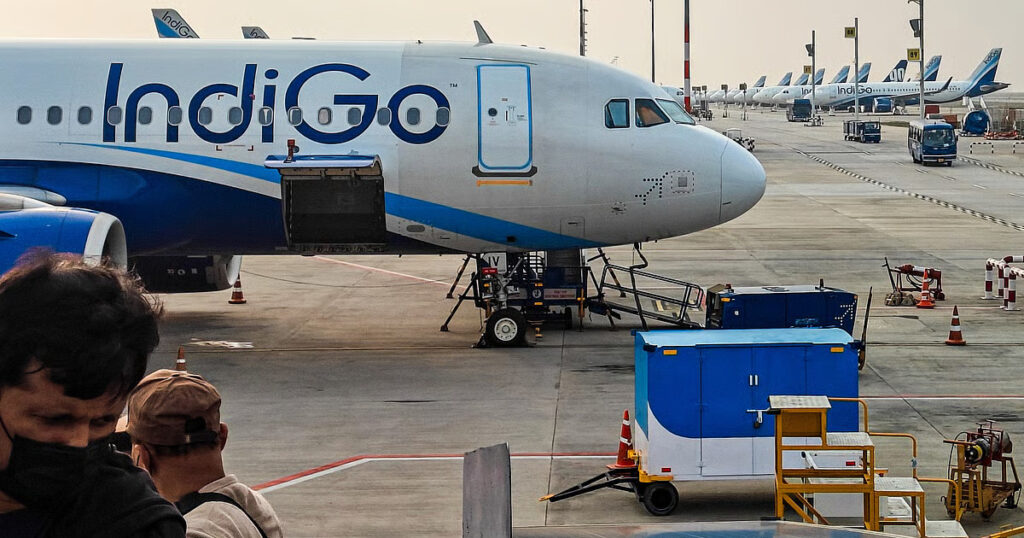
India’s aviation sector entered a tense phase this week as DGCA fired four flight operation inspectors over the ongoing IndiGo crisis. The regulator acted on Friday after IndiGo cancelled thousands of flights nationwide, leaving passengers stranded and airlines scrambling for stability.
To understand the escalation, we need to look at how the crisis built up. IndiGo began facing major disruptions soon after the second phase of Flight Duty Time Limitations (FDTL) took effect in November. The new rules demanded stricter crew scheduling. IndiGo failed to adjust its rosters in time, and the gaps triggered a chain reaction. Crew shortages grew, flight delays increased, and cancellations surged.
As the disruptions intensified, the government stepped in. First, it demanded timely refunds. Then, it asked other airlines to keep fares under control to protect passengers from sudden price spikes. These steps came after passengers across major airports complained about long queues, missed connections, and little information.
Meanwhile, IndiGo’s internal troubles drew sharper scrutiny. DGCA officials moved into the airline’s headquarters on Thursday to monitor operations directly. They watched the carrier manage a day when over 200 flights were cancelled at Delhi and Bengaluru airports alone. Soon after, DGCA removed four inspectors responsible for overseeing IndiGo’s safety, pilot training, and operational compliance. The regulator held them accountable for failing to flag rising risks and gaps in oversight.
This action came just hours before IndiGo CEO Pieter Elbers prepared to appear before the aviation regulator. He now faces questions on the airline’s handling of FDTL, its scheduling strategy, and its communication with government agencies.
The crisis reached a peak last week when IndiGo cancelled over 1,600 flights in a single day. The carrier normally operates around 2,300 flights daily during the winter schedule. After the meltdown, DGCA ordered IndiGo to slash operations by 10 percent to stabilise schedules and prevent further chaos. The airline now expects to operate around 1,950 flights, carrying nearly 3 lakh passengers each day.
However, these cuts did not come early enough to prevent widespread disruption. Since December 2, when the cancellations began, Indian airports recorded nearly 5,000 scrapped flights. The ripple effect hit business travelers, holiday passengers, and regional connectivity all at once.
Civil aviation minister Ram Mohan Naidu also addressed Parliament about the crisis. He revealed that IndiGo did not flag any operational concerns in a meeting held just a day before the disruptions began. This disclosure raised deeper questions about the airline’s assessment of risk and internal communication.
The current action against the four inspectors marks the strongest regulatory push so far. DGCA aims to send a message—to the airline and its own staff—that lapses in oversight will not go unchecked. However, IndiGo must now rebuild trust, streamline schedules, and prove that it can comply with the FDTL framework without plunging into another operational breakdown.
For now, passengers hope for fewer cancellations, clearer communication, and a return to normal skies after a turbulent fortnight for India’s largest carrier.