Delhi Court clears Kejriwal and Sisodia in excise policy case, slams CBI probe
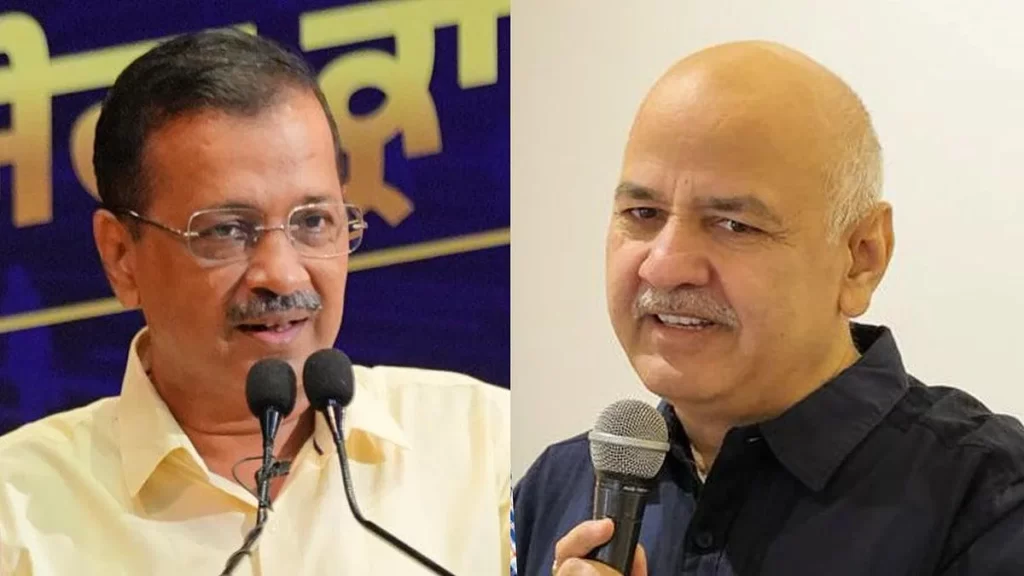
A Delhi court on Friday cleared former Chief Minister Arvind Kejriwal and former Deputy Chief Minister Manish Sisodia in the excise policy case. The court discharged all 22 accused, including former BRS leader K Kavitha. The judge ruled that prosecutors failed to back their claims with solid evidence. He said the theory of a larger conspiracy did not stand up in court.
Special Judge Jitendra Singh delivered the order. He said serious charges require credible material. However, he found no proof that showed criminal intent or an overarching plot. He added that weak claims can damage public trust in institutions. Therefore, he refused to frame charges against any of the accused.
The judge also questioned the CBI’s investigation. He pointed to gaps in the record. He asked why investigators left out certain statements and opinions. Moreover, he said the agency failed to clearly explain how legal opinions supported its case. He also criticized the use of the term “South Group.” He said the record did not clearly define the expression or link it to concrete evidence.
The case dates back to Delhi’s 2021-22 excise policy. The Aam Aadmi Party government introduced the policy to reform liquor sales. Later, the Delhi Chief Secretary flagged alleged irregularities in July 2022. Subsequently, Lieutenant Governor V K Saxena recommended a CBI probe. The CBI and the Enforcement Directorate then alleged that the policy favored select private players. They claimed a lobby paid kickbacks worth Rs 100 crore to AAP leaders.
Investigators accused Sisodia, who then handled the excise portfolio, of designing the policy. The CBI arrested him in February 2023. He spent over 17 months in jail before the Supreme Court granted bail in August 2024. Later, the agency arrested Kejriwal in March 2024 while he served as Chief Minister. The Supreme Court granted him bail in September 2024.
Prosecutors claimed that Kejriwal acted as the central conspirator. They alleged that the policy raised profit margins for private vendors from 5 percent to 12 percent to facilitate illegal payments. However, the trial court found no material to support these claims. The judge said documents and official files reflected administrative discussions, not criminal design. As a result, he dismissed the prosecution’s narrative as inconsistent and unsupported.
Meanwhile, the case reshaped Delhi’s political landscape. Kejriwal stepped down as Chief Minister after his arrest. Later, the BJP used the case as a major campaign issue. In the February 2025 Assembly elections, voters handed the BJP a sweeping victory. Analysts said the controversy hurt AAP’s image during the campaign.
After the verdict, Kejriwal addressed the media. He grew emotional and said truth always prevails. He thanked the judge for delivering justice. He called the case the biggest political conspiracy in independent India. He accused the BJP of trying to destroy AAP by jailing its top leaders. He said authorities kept him in jail for six months and kept Sisodia behind bars for nearly two years.
Furthermore, Kejriwal urged political rivals not to misuse power. He said leaders should win trust through governance, not through cases and arrests. He asked them to focus on solving national problems instead of targeting opponents.
In conclusion, the court order brings major relief to Kejriwal, Sisodia, and others. At the same time, it raises questions about the investigative process. The CBI now faces scrutiny over how it built its case. The political debate, however, will likely continue.