
Delhi breathes easier — But experts warn the relief will fade soon
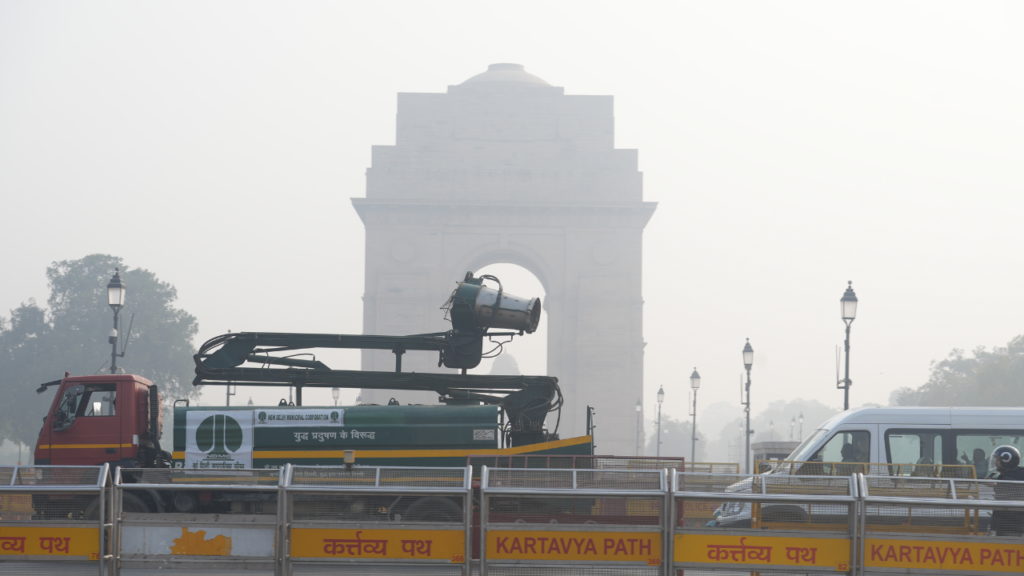
Delhi wakes up to clearer skies. The city records an AQI of 235 at 8 a.m. The number shocks many residents. It signals a break from weeks of “very poor” and “severe” air. The morning looks brighter. People step out with hope.
Yet the story runs deeper. Nine monitoring stations report “moderate” air. Mandir Marg leads with 128. Bawana shows 145. IGI Airport T3 reports 148. Meanwhile, some pockets still struggle. Jahangirpuri shows 309. Nehru Nagar reads 297. Siri Fort shows 289. So, the problem stays uneven.
Winds shape this turnaround. Strong surface winds push polluted air away. Speeds reach 15–20 km per hour. Delhi records an AQI of 236 on Friday, down from 380 the previous day. The drop looks sharp. The city gains rare breathing space.
However, forecasts change the mood. The Air Quality Early Warning System tracks the trend. Its bulletin signals trouble. It predicts a slide back to “very poor” from Sunday to Tuesday. It also warns about a longer stretch. It projects at least eight days of rough air. Therefore, health concerns return fast. Families prepare again.
Authorities move in parallel. The Commission for Air Quality Management reviews data. It rolls back Stage III of the Graded Response Action Plan. The decision opens several activities. Private construction resumes. Demolition work resumes. Mining operations restart. Vehicle curbs ease. BS-3 petrol cars return. BS-4 diesel vehicles reappear on roads. Traffic grows again.
Still, officials speak with caution. They continue Stage I and Stage II rules. They urge residents to follow citizen advisories. They stress vigilance. They stress restraint. They want to hold the gains and prevent another spike.
The rollback also affects transport. Under Stage II rules, Delhi stops interstate buses that run on older fuel standards. Only electric, CNG, or BS-6 buses enter. Enforcement teams check vehicles. They push commuters toward cleaner options.
Meanwhile, winter sets another challenge. Fog thins for a day, thanks to the same winds. But the India Meteorological Department issues a yellow alert. It warns about dense fog through the weekend. Northwesterly winds turn colder. Minimum temperatures drop by two to three degrees Celsius. Friday records 9.1°C. Forecasts point toward 6–8°C on Saturday and Sunday. Hospitals prepare for respiratory stress. Families prepare heaters and masks.
Weather experts add context. Skymet Weather notes steady winds for one to two days. Analysts see no western disturbance until mid-January. So, temperatures will fall. Air may trap pollutants again. The cycle may repeat.
Delhi now faces a familiar dilemma. The city celebrates a brief improvement. Yet data signals a quick reversal. Policy makers balance economy and health. Builders restart work. Parents worry. Doctors warn. Commuters carry masks again.
In the end, the capital stands at a crossroads. Clean air feels possible. But weather, emissions, and choices keep testing resilience. Authorities promise strict monitoring. Scientists offer forecasts. Residents watch the sky. And the next few days will show whether Delhi can protect this fragile relief — or slip back into toxic air once more.