
Delhi Air quality remains poor, Anand Vihar hits severe; doctors warn of health risks
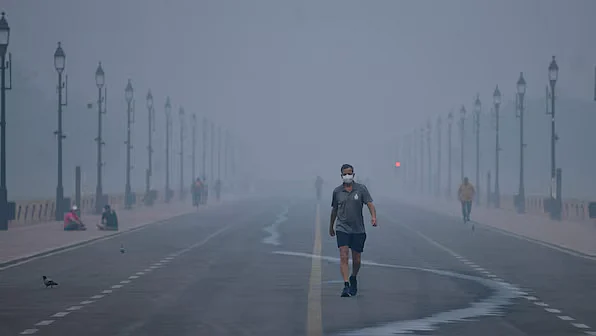
Delhi’s air quality stayed in the ‘poor’ category for the second consecutive day on Saturday. The Air Quality Index (AQI) recorded 257 at 8 am on October 25. The spike follows Diwali celebrations earlier this month, which intensified smog and pollution in the city.
The Central Pollution Control Board (CPCB) data showed that Delhi’s 24-hour average AQI stood at 275 on Friday at 4 pm. The pollution levels indicate persistent health risks for residents across the capital and the National Capital Region (NCR).
In the NCR, several areas reported poor to severe air quality. Sector 51 in Gurugram recorded an AQI of 330, Faridabad 229, Indirapuram in Ghaziabad 300, Noida 307, and Meerut 263. Overall, the region continues to face unhealthy air, posing concerns for residents, especially sensitive groups.
On Thursday, the city briefly saw improved air quality. However, a layer of smog remained visible across Delhi in the morning. Experts warn that such conditions can worsen respiratory and cardiovascular problems if exposure continues.
The ongoing pollution has driven Delhi residents to take protective measures. People rushed to stock up on air purifiers, masks, and related products. Traders reported a 60–70 percent increase in sales over the past two days, according to news agency PTI.
Doctors also issued warnings about the health impact of poor air quality. Former AIIMS Director Dr Randeep Guleria cautioned residents to limit exposure and take preventive steps. Speaking to ANI, he said, “The current high levels of air pollution, indicated by poor AQI, are leading to acute health effects. People with heart or lung conditions, the elderly, and young children face the greatest risk.”
Dr Guleria added that these groups are experiencing increased chest discomfort, breathing difficulty, coughing, and a worsening of pre-existing conditions. He urged citizens to wear masks outdoors, avoid strenuous activity, and use air purifiers indoors.
Meanwhile, Delhi recorded its lowest minimum temperature in October over the last two years. On Thursday night, the temperature dropped to 17 degrees Celsius, 0.2 degrees below the normal level, according to the India Meteorological Department (IMD). Experts note that cooler temperatures can trap pollutants close to the ground, worsening smog.
Authorities continue to monitor the air quality and advise residents to exercise caution. Air quality in Delhi typically worsens after Diwali due to firecrackers, vehicle emissions, and industrial activity. Meteorologists expect similar conditions to persist for the next few days unless wind patterns change.
Residents, especially children, the elderly, and those with pre-existing conditions, are advised to minimize outdoor exposure. Experts recommend checking daily AQI updates and taking protective measures.
As pollution persists, the city faces a dual challenge of poor air and dropping temperatures. Citizens, authorities, and medical experts continue to emphasize safety measures to reduce the immediate health impact of the hazardous air quality.