Deaths rise, internet cut as Iran protests intensify; Khamenei attacks Trump
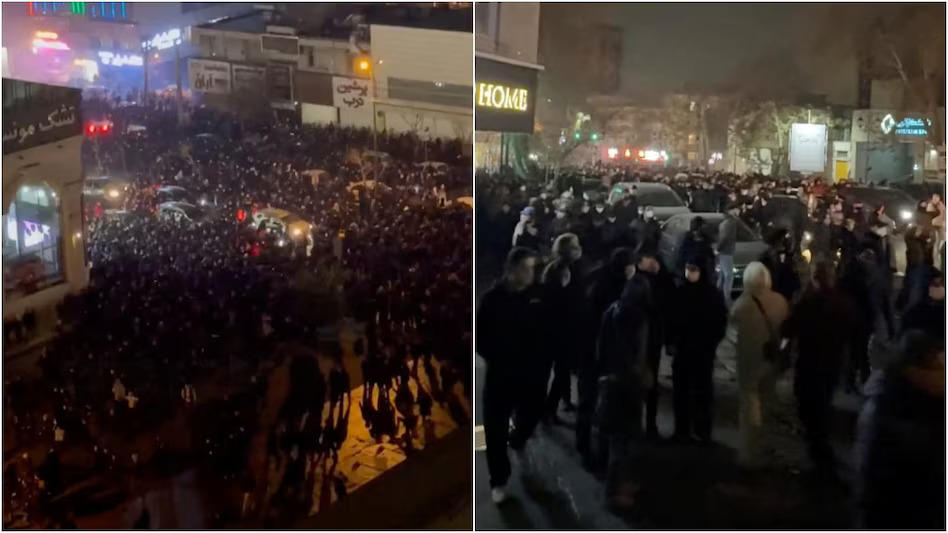
Iran faced growing turmoil on Friday as nationwide anti-government protests entered a critical phase. Authorities kept internet access restricted. Streets saw heavy security presence. Meanwhile, the death toll continued to climb amid mounting anger against the clerical leadership.
The unrest began last month but intensified this week. Protests flared again on Thursday after exiled crown prince Reza Pahlavi issued a rallying call. Demonstrators poured into streets across major cities. They raised slogans against Supreme Leader Ayatollah Ali Khamenei and the ruling establishment.
According to activists cited by the Associated Press, at least 62 people have died since the protests began. State media avoided clear figures for weeks. However, on Friday, official outlets acknowledged “casualties” without details. Rights groups say the situation remains far grimmer than official accounts suggest.
The US-based Human Rights Activists News Agency reported more than 65 deaths so far. It also said authorities detained at least 2,311 people. The agency tracked protests in 512 locations across 180 cities in all 31 provinces. This spread shows the scale of public anger.
The protests trace back to December 28, 2025. They began in two Tehran markets over rising inflation and the falling value of the rial. Soon after, frustration over economic hardship merged with political demands. As a result, the movement turned nationwide.
Meanwhile, the Iranian government tightened controls. Authorities sharply limited internet services again on Friday. The communications ministry said security agencies ordered the shutdown due to “prevailing circumstances.” As a result, information flow out of Iran slowed further.
The unrest also hit aviation. At least 17 flights between Dubai and Iran were cancelled, according to Dubai Airport data. Turkish Airlines also cancelled several flights over Iranian airspace. These disruptions added to signs of growing instability.
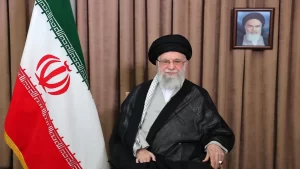
At the same time, Iran’s leadership struck a defiant tone. Supreme Leader Ayatollah Ali Khamenei addressed supporters in Tehran. He accused the United States and Israel of fueling unrest. He directly targeted US President Donald Trump. Khamenei called Trump “arrogant” and claimed his hands were “stained with the blood of Iranians.”
Khamenei warned protesters of tough action. He signaled that security forces would respond firmly. He dismissed Trump’s statements of support for Iranian demonstrators. According to him, protesters damaged their own streets to please Washington. State television aired footage of crowds chanting “Death to America” during his speech.
In addition, Khamenei used social media to sharpen his attack. He accused Trump of pursuing oil interests in Venezuela. He also claimed that more than a thousand Iranians died during a brief war in June on Trump’s orders. “He admitted it,” Khamenei wrote, asserting that American actions caused Iranian deaths.
Iran’s judiciary echoed the hard line. Chief Justice Gholamhossein Mohseni-Ejei vowed harsh punishment. He promised “maximum” penalties without legal leniency for those involved in the protests.
Meanwhile, Reza Pahlavi stepped up his campaign from exile. On Friday, he appealed directly to Trump. He urged urgent intervention to support Iranian protesters. Pahlavi asked the international community to act quickly. Following his calls, demonstrators chanted slogans backing his return.
Pahlavi’s father ruled Iran until the 1979 Islamic Revolution. Now, decades later, his son has re-emerged as a rallying symbol for some protesters. As tensions rise, Iran stands at a volatile crossroads, with no clear end to the unrest in sight.