Court frames charges against Lalu, Rabri, and Tejashwi in corruption case
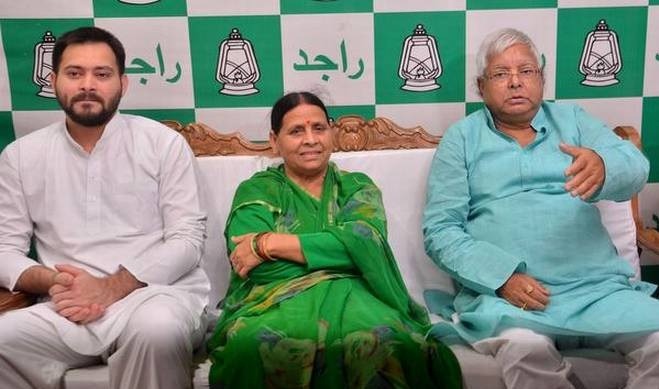
A Delhi court on Monday framed charges against Lalu Prasad Yadav under the Prevention of Corruption Act in the IRCTC hotel corruption case. The court cited criminal conspiracy and cheating in its order.
Special Judge Vishal Gogne detailed the allegations while reading the operative part of the order. He said that during his tenure as railway minister, Yadav influenced the tender process for two IRCTC-owned hotels. He awarded the contracts to Sujata Hotels, the judge noted.
The court also observed that Yadav ensured co-accused Vijay and Vinay Kochar transferred undervalued land parcels to his wife, Rabri Devi, and son, Tejashwi Yadav. The land deals allegedly formed part of the corrupt scheme linked to the hotel contracts.
Yadav appeared in court as the charges were read aloud. He pleaded not guilty and requested a trial in the matter. The court accepted his plea, setting the stage for further proceedings.
The case has drawn widespread attention because it involves one of India’s most prominent political families. Observers note that the charges focus on both abuse of official position and financial irregularities in government-run hospitality projects.
Legal experts say the framing of charges marks a key step in moving the case from investigation to trial. It also signals that the court considers the allegations serious enough to warrant a full hearing.
The IRCTC hotel corruption case revolves around alleged manipulation of tenders and misuse of government assets. Authorities contend that undervalued land transfers and preferential treatment for contractors violated anti-corruption laws.
The trial is expected to examine documents, witness statements, and financial records related to the hotel deals and land transactions. Analysts predict the proceedings could take months due to the complexity and the involvement of multiple family members and co-accused.
The court’s decision to frame charges ensures that Yadav and others will face judicial scrutiny. It represents a significant development in the ongoing effort to hold public officials accountable for corruption in high-profile cases.