Cold New Year grips North India as snow covers hills and rain soaks West
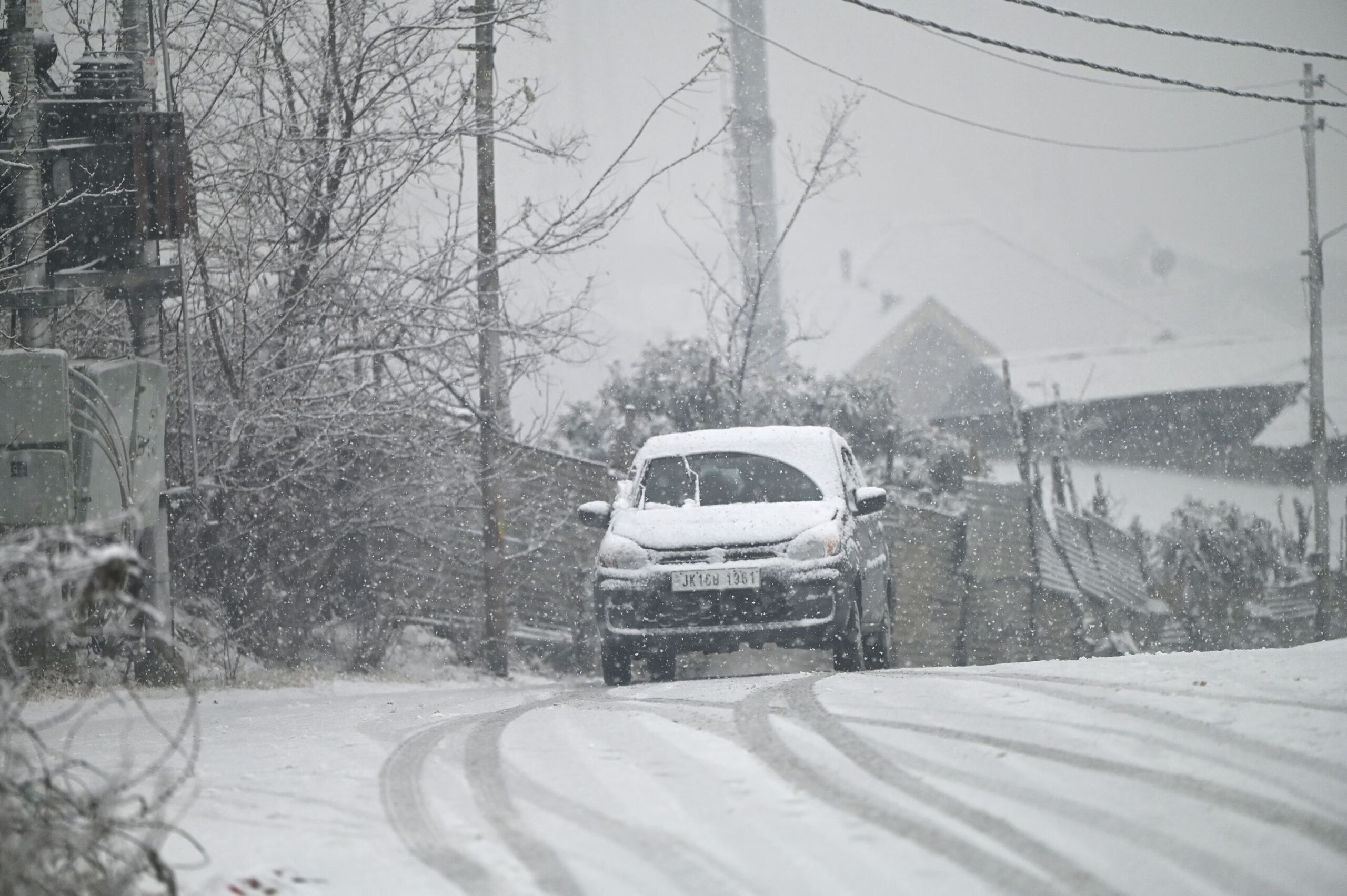
North India stepped into the New Year with a deep chill. Delhi woke up to icy winds and dense smog. The capital felt colder than usual, and people reached for extra layers. Meanwhile, the hills turned white. Fresh snow covered higher reaches of Kashmir and parts of Himachal Pradesh. As the day began, families lit bonfires, and commuters rushed through fog-filled roads.
However, the weather story stretched far beyond Delhi. The India Meteorological Department (IMD) tracked strong easterly winds over northwest India. These winds fueled thunderstorms over Rajasthan. Soon after, the system pushed toward Delhi-NCR, Haryana, and Punjab. The IMD warned about sharp temperature drops and more winter rain. As a result, authorities urged residents to stay cautious, especially during early mornings and late evenings.
Moreover, forecasters expect colder days ahead. From January 3 onward, cold northerly winds from the Himalayas will surge toward the plains. The IMD expects nighttime temperatures to fall further. Air quality remains a worry. Thick smog hangs over the capital, and health experts continue to advise masks, warm clothing, and limited outdoor exposure.
Meanwhile, tourists headed to Himachal Pradesh for snow-filled celebrations. Crowds filled Shimla, Manali, Dharamshala, Kasauli, and Dalhousie. Yet many visitors still waited for heavy snowfall. Light snow touched Rohtang Pass and parts of Lahaul and Spiti. Still, resorts kept buzzing with celebrations and bonfires. The IMD expects light snow and rain across the state during the next two days. Therefore, travel agencies continue to report strong bookings.
In Kashmir, winter tightened its grip. Gurez, Gulmarg, and Sonamarg welcomed fresh snow under the harsh “Chilla-e-Kalan” phase. Streets turned silent as residents managed chores quickly and stayed indoors afterward. Interestingly, the region still reported slightly warmer-than-normal averages. However, nights remained bitter. Gulmarg dipped to freezing levels. Srinagar and Pahalgam recorded colder mornings, and families relied on traditional heating systems.
Furthermore, the cold wave spread eastward. Kolkata felt an unusual chill, with temperatures slipping below 10 degrees Celsius. Locals dug out woolens that often stay unused through most winters. The IMD expects the trend to continue through the week. Meanwhile, Darjeeling recorded the lowest temperature in the region. Tour operators prepared for possible light snow. Nearby districts such as Kalimpong, Jalpaiguri, Cooch Behar, and Alipurduar may see light rain during the next three days.
Finally, Mumbai experienced a different twist. The financial capital started the year with rain showers. Streets turned slick, and traffic slowed. Yet many residents welcomed the relief from heat. Meteorologists continue to monitor cloud patterns over the Arabian Sea, while civic teams clear waterlogged stretches.
In summary, India entered the New Year with a complex winter map. The north shivered. The hills glittered under snow. The east felt unusual cold. The west soaked in rain. As the season deepens, families prepare for longer nights, warmer meals, and more weather alerts.