Cloud seeding in Delhi today: What to expect from the artificial rain drive
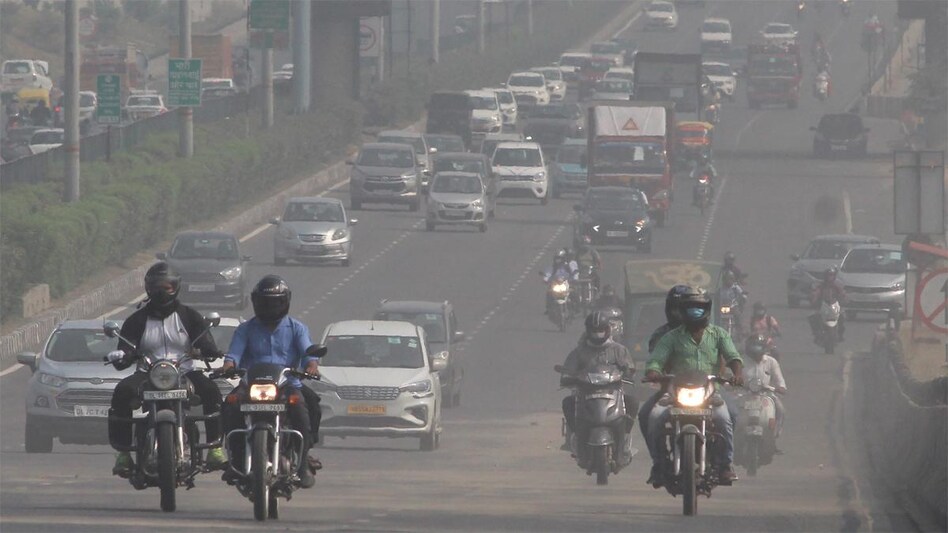
New Delhi — The Delhi government may conduct a cloud seeding experiment on Tuesday to trigger artificial rainfall and combat rising pollution levels. Environment Minister Manjinder Singh Sirsa said the plan depends on weather conditions in Kanpur, where the aircraft for the operation is stationed.
Sirsa said visibility in Kanpur stands at around 2,000 metres. The aircraft can take off only when visibility reaches 5,000 metres. Once that happens, the team will begin the trial over Delhi. “As soon as weather improves in Kanpur, our aircraft will take off. If it flies today, we will conduct cloud seeding over Delhi to induce rainfall,” Sirsa told ANI.
Pollution levels worsen
According to the Central Pollution Control Board (CPCB), Delhi’s air quality remained “very poor” on Monday. On Tuesday morning, Anand Vihar recorded an AQI of 321. Pollution has gripped the city for several weeks, with smog reducing visibility and triggering health concerns.
Chief Minister Rekha Gupta last week said artificial rain has become a “necessity” for Delhi. She called it an important step toward easing the national capital’s pollution crisis. The government hopes the rain will help settle dust and pollutants, offering short-term relief.
What is cloud seeding?
Cloud seeding involves adding fine particles like silver iodide or salt crystals into clouds heavy with moisture. These particles help small droplets merge into larger ones, eventually forming raindrops. The process requires high humidity—at least 50 per cent—for effective results.
The Delhi government completed full preparations for the experiment last week. Officials conducted a test flight over Burari, where aircraft sprayed a small amount of silver iodide and sodium chloride into the sky. However, with humidity below 20 per cent that day, rainfall could not form.
Why Kanpur matters
The aircraft for the project is based in Kanpur under the supervision of IIT Kanpur scientists. Hence, weather in Kanpur directly affects the timing of the operation. Once conditions improve, the aircraft will take off for Delhi’s airspace.
On September 25, the Delhi government and IIT Kanpur signed a memorandum of understanding to conduct five cloud seeding trials. The initiative aims to test how effectively artificial rainfall can reduce air pollution levels in large cities.
Next steps
Officials say this is just the beginning of a larger plan to tackle pollution through scientific methods. If the experiment succeeds, similar attempts could be expanded to other regions suffering from hazardous air quality.
Meanwhile, environmental experts view cloud seeding as a short-term fix rather than a permanent solution. They suggest that long-term policies must focus on reducing emissions from vehicles, industries, and construction sites.
For now, all eyes are on the skies. If weather conditions in Kanpur improve today, Delhi might finally see its first spell of artificial rain — and a brief break from the smog that has blanketed the city for weeks.