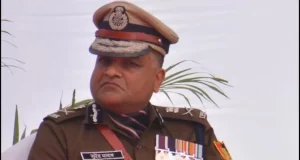
CISF Saves Uri Hydel Plant and 250 civilians during Pakistan’s attack after Operation Sindoor
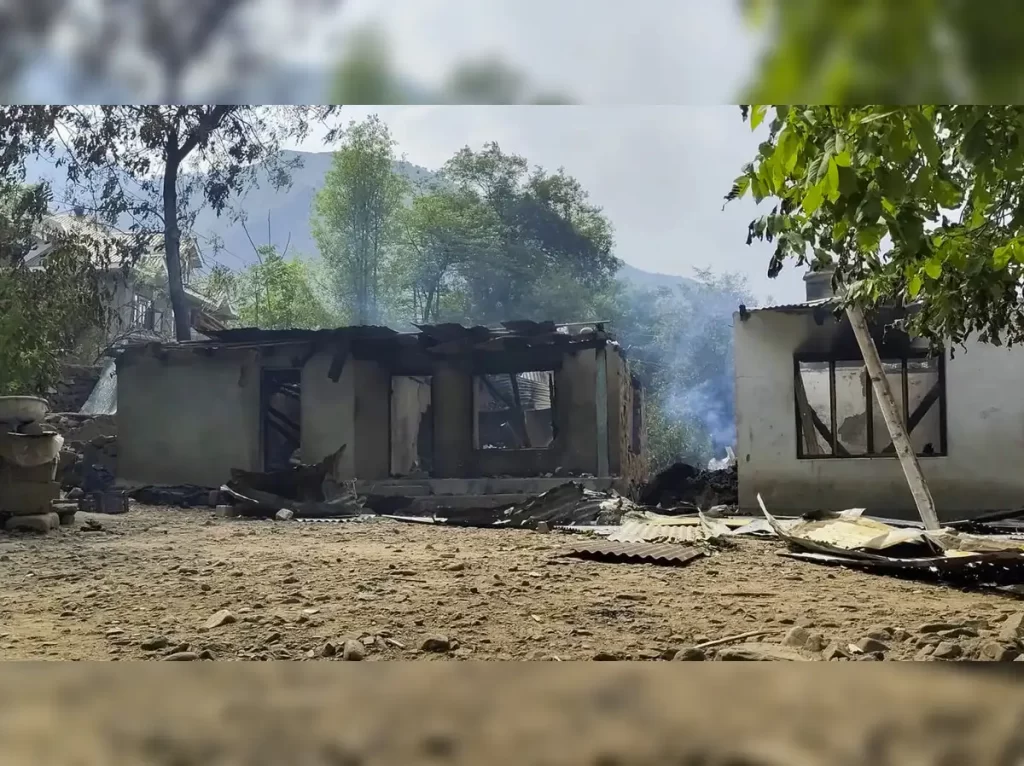
India crossed a critical security milestone during the May 7 conflict, when a small CISF unit protected the Uri hydroelectric projects and rescued hundreds of civilians. The incident unfolded only hours after India launched Operation Sindoor, a major strike that destroyed nine terror camps deep inside Pakistan. Soon after the strike, Pakistan answered with heavy shelling and drone attacks along the Line of Control. Yet, the CISF team at the Uri Hydro Electric Power Projects (UHEP-I and II) stood firm and turned a looming tragedy into a rare story of courage.
Background to the Crisis
India began Operation Sindoor shortly after midnight on May 7. The decision came in direct response to the Pahalgam attack. Indian forces destroyed nine terror camps inside Pakistan in a swift and coordinated action. Then, within hours, Pakistan opened intense fire across the LoC. Its forces also sent multiple drones toward strategic Indian sites.
One of Pakistan’s main targets was the Uri hydroelectric project in Baramulla district. The plant sits along the River Jhelum and lies almost on the LoC. Because of its location, it faces direct visibility and immediate vulnerability in any conflict. Moreover, large civilian settlements surround the project. As the shelling intensified, the danger to both the plant and the population surged.
How the CISF Blocked the Attack
At this moment, a 19-member CISF team, led by Commandant Ravi Yadav, took charge. The team first tracked the incoming drones. Then, without delay, they neutralised them one after another. The personnel continued to monitor the sky and ground, while also securing vital communication links.
Meanwhile, Pakistan’s shells landed dangerously close to staff quarters and civilian housing blocks. The CISF team shifted its focus quickly. They began a door-to-door evacuation of families living near the plant. They also rescued employees of the National Hydroelectric Power Corporation (NHPC). Despite the chaos, they moved 250 people to reinforced bunkers and safe zones.
The situation demanded quick judgment. Therefore, the officers carried out a real-time threat assessment. They strengthened bunkers, ensured uninterrupted communication, and coordinated every movement with precision. They never lost control of the situation.
Why the Operation Stands Out
The evacuation ended with zero casualties. That outcome alone shows the level of discipline and readiness displayed by the CISF team. Their action protected a key power project during one of the briefest but most intense phases of the conflict. Their response also reassured civilians living in one of the most sensitive border districts.
Later, the CISF headquarters recognised the bravery of the unit. It awarded the Director General’s Disc to all 19 personnel. The force stated that the team showed extraordinary courage during heavy cross-border fire. It also noted that the team protected vital national assets while risking their own lives.
The Uri rescue now stands as one more chapter in India’s long record of frontline heroism. It shows how small, well-prepared teams can change the course of a crisis through fast decisions, clear communication, and an unbroken will to serve.