China strikes back: Imposes 15-25% tariffs on US imports in retaliation
China announced on Tuesday it will impose tariffs on US imports in retaliation to Donald Trump’s latest tariff hikes. The tariffs will include 15% on coal and LNG products, 10% on crude oil, and other goods. China’s Ministry of Commerce expressed strong disapproval, saying, “The US’s unilateral tariff increase seriously violates the rules of the World Trade Organization.”
The statement further criticized the move, stating that it damages economic and trade relations between China and the US and is unhelpful in solving the US’s internal problems.
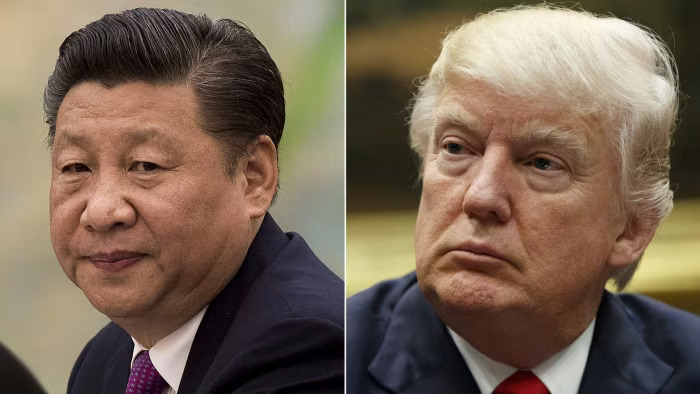
Trump had ordered a 10% tariff on Chinese goods, which was scheduled to take effect on Tuesday. However, the US president planned to engage in talks with Chinese President Xi Jinping in the coming days. Meanwhile, China’s State Administration for Market Regulation announced it would investigate Google for potential antitrust violations, just minutes after Trump’s tariff decision.
Earlier, Beijing had warned that it might resort to countermeasures in response to the tariff increase. Chinese officials reiterated that the US was violating WTO rules with its actions. Fu Cong, China’s Permanent Representative to the UN, voiced firm opposition, saying, “There is no winner in a trade war.”
He emphasized that the US should focus on solving its own issues rather than escalating the trade conflict. Fu added, “We hope that the US finds a solution that benefits both itself and the entire world.”
In response to the tariffs, China filed a complaint with the WTO. The Chinese government insisted that raising tariffs would not benefit the US and would ultimately harm global economic cooperation. China continues to stress the importance of a fair resolution that avoids a trade war’s negative consequences.
Additionally, over the weekend, the White House had announced its plan to impose a 25% tariff on imports from Canada and Mexico, alongside the 10% tariff on China. The White House justified these tariffs by stating that President Trump’s actions aimed to hold these countries accountable for failing to curb illegal immigration and stop the flow of harmful drugs, such as fentanyl, into the US.
In light of these developments, China remains steadfast in its opposition to the tariff increases. The country hopes for a peaceful resolution and calls on the US to reconsider its stance, arguing that raising tariffs only exacerbates trade tensions without providing meaningful solutions.