Centre rejects lifetime ban for convicted lawmakers, calls It ‘undue harsh’
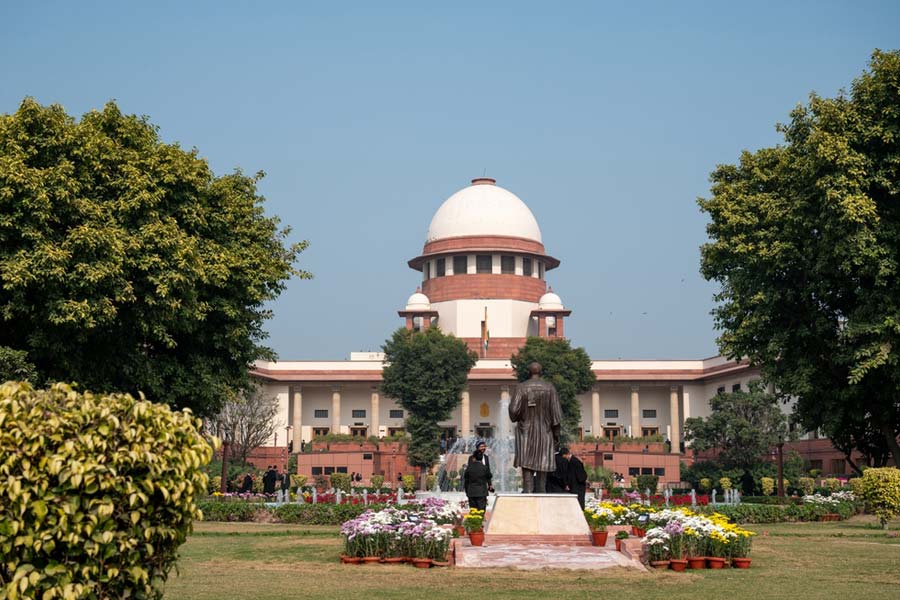
The Union government opposed a plea seeking a lifetime ban on convicted lawmakers from elections. It told the Supreme Court that penalties should be time-bound to ensure deterrence without excessive punishment.
Defending the existing law, the Centre argued that the six-year disqualification after completing a sentence follows principles of proportionality and reasonability. It maintained that Parliament holds exclusive power to decide penalties for convicted lawmakers.
In an affidavit, the law ministry stated that the Representation of the People Act, 1951, sets clear disqualification limits. It rejected the petitioner’s demand for a lifetime ban, calling it an attempt to rewrite the law. The plea, filed by advocate Ashwini Upadhyay, challenged Sections 8 and 9 of the Act and sought a permanent ban on convicted legislators.
A Supreme Court bench led by Justice Dipankar Datta questioned the six-year limit. It noted the conflict of interest in allowing convicted individuals to return as lawmakers. Section 8 disqualifies convicted legislators for six years post-sentence if convicted for two or more years. Section 9 bars those dismissed for corruption or disloyalty from contesting elections for five years.
The Centre emphasized that courts cannot dictate Parliament’s law-making process. It cited past rulings, including the Madras Bar Association vs Union of India (2021), affirming that courts cannot direct Parliament to frame laws. The government also referenced the State of Himachal Pradesh vs Satpal Saini (2017), which reinforced that policy decisions rest with the executive and legislature.
The affidavit highlighted that time-limited penalties exist across legal systems. Once a penalty period ends, a person regains full rights. The government argued that fixed disqualification terms provide deterrence while avoiding undue harshness.
The petitioner relied on Articles 102 and 191, which govern legislators’ disqualifications. However, the Centre clarified that these provisions empower Parliament to set disqualification rules. It pointed out that other disqualifications, like insolvency or holding an office of profit, are also temporary.
The Supreme Court will hear the case on March 4. Attorney General R. Venkataramani will present the government’s position. The court also directed the Election Commission to clarify its stance, noting that political criminalization is a serious issue.
During the February 10 hearing, the court expressed concern over thousands of pending criminal cases against lawmakers. Amicus curiae Vijay Hansaria informed the bench that over 5,000 cases remain unresolved. Justice Manmohan highlighted delays in special MP/MLA courts, recalling a judge at Rouse Avenue court in Delhi who had “retired for the day” early.
The Supreme Court is also reviewing the implementation of its 2015 ruling in Public Interest Foundation vs Union of India. That ruling required cases against lawmakers to be resolved within a year through fast-track trials. The bench called for a detailed study to determine why cases against politicians remain stagnant.