Budget 2026 focuses on smarter farming, risk reduction, and higher farm incomes
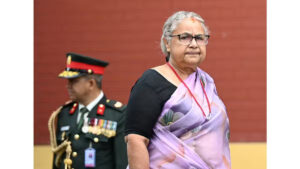
Finance Minister Nirmala Sitharaman placed farmers at the center of Budget 2026. She urged them to reduce risks. At the same time, she outlined steps to raise productivity and income. The Budget highlighted technology, diversification, and regional support as key pillars.
First, the Finance Minister announced Bharat Vistar. This new tool uses artificial intelligence. It aims to make farming simpler and more organised. She described it as a digital backbone for agriculture.
According to Sitharaman, Bharat Vistar will act as a virtually integrated system. It will help farmers access agricultural resources easily. The platform will work in multiple languages. Therefore, farmers across regions can use it without barriers.
The tool will integrate agri-stack portals with ICAR’s agricultural practice packages. Then, AI systems will analyse data and offer guidance. As a result, farmers can take informed decisions on crops, inputs, and practices.
Next, the Budget stressed risk management. Climate change, price swings, and rising costs challenge farmers. Hence, the government wants technology to guide farmers before losses occur. AI-based advisories will help farmers plan better and respond faster.
Alongside technology, the Finance Minister focused on diversification. She said diversified farming improves resilience. It also protects farmers from overdependence on a single crop.
Therefore, the government will promote high-value crops across regions. In coastal areas, support will go to coconut, sandalwood, cocoa, and cashew. These crops offer better returns and steady demand.
In the Northeast, the focus will shift to agar trees. Agar has strong export potential. It also suits local climate conditions. Thus, it can create new income streams for farmers.
In hilly regions, the Budget highlighted nuts. Almonds, walnuts, and pine nuts will receive support. These crops fit the terrain and climate. Moreover, they fetch premium prices in domestic and global markets.
Sitharaman linked diversification with employment. She said new crops will create rural jobs. Processing, storage, and marketing will expand alongside cultivation. Consequently, rural livelihoods will strengthen.
The Finance Minister also spoke in detail about coconuts. India leads the world in coconut production. Nearly 30 million people depend on this sector. About 10 million of them are farmers.
Despite this strength, productivity gaps remain. Therefore, the Budget proposed a coconut promotion scheme. The aim is to boost output and competitiveness.
Under this scheme, farmers will replace old and non-productive trees. They will plant new saplings and improved varieties. Major coconut-growing states will benefit from this push.
The government will also support better farm practices. Improved planting material and scientific methods will raise yields. As productivity improves, farmer incomes should rise.
Importantly, Sitharaman framed agriculture as a growth engine. She linked farm reforms with rural demand and economic stability. Strong rural incomes, she noted, support the wider economy.
Throughout her speech, she advised farmers to adapt. She encouraged them to use technology, diversify crops, and reduce risks. Government support, she said, will back these changes.
In conclusion, Budget 2026 set a clear direction for agriculture. It combined AI-driven tools with region-specific crop strategies. It promoted diversification, productivity, and resilience. Most of all, it aimed to secure farmer incomes in an uncertain future.