
Bomb threat emails trigger panic in Delhi schools, security agencies launch citywide search
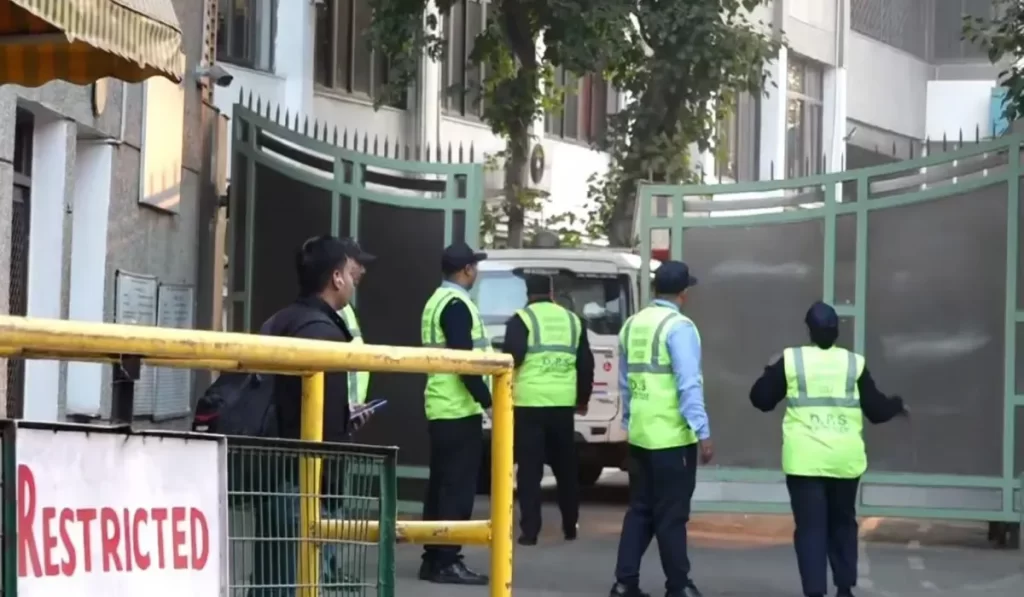
A wave of panic spread across Delhi on Monday morning. Several schools received bomb threat emails within a short span. As a result, security agencies moved into action. Officials began emergency checks across multiple locations.
First, the Delhi Fire Service received the initial call at 8:33 am. Soon after, fire tenders rushed to the spot. Bomb disposal squads followed. Police teams also reached the campuses. They started evacuation procedures without delay.
According to officials, at least nine schools reported threats. These included Loreto Convent School in Delhi Cantonment. They also included Cambridge School in Srinivaspuri. Schools in Rohini, New Friends Colony, Sadiq Nagar, and INA also reported similar messages. Meanwhile, authorities said more institutions could have received such emails.
Next, school managements alerted parents. They asked them to stay calm. They coordinated with police teams. Teachers helped students move to safe areas. Administrators ensured that no one panicked. Therefore, officials completed evacuations in an orderly manner.
At the same time, investigators examined the emails. The messages carried disturbing language. They claimed, “Delhi will become Khalistan.” They also referred to Punjab and Afzal Guru. Moreover, the sender mentioned a possible blast in Parliament on February 13 at 1:11 pm. This warning raised serious concern.
Because of this, police intensified security across the city. They increased checks near schools. They also enhanced surveillance near Parliament and sensitive areas. Security agencies deployed additional personnel. Dog squads joined the search operations.
Meanwhile, bomb disposal teams inspected classrooms, corridors, and playgrounds. They checked bags, lockers, and storage rooms. They scanned rooftops and basements. After thorough searches, teams found no explosives at the affected schools. However, officials continued monitoring the situation.
In addition, cyber units started tracing the email source. Technical experts analyzed IP addresses and server routes. They tried to identify the sender’s location. Police also coordinated with national agencies for support. Officials said they would take strict action against those responsible.
Furthermore, education authorities reviewed safety protocols. They instructed schools to follow emergency guidelines. They advised staff to report suspicious activity immediately. They also asked institutions to update contact details with police stations.
Parents expressed concern over student safety. Many rushed to schools after hearing the news. However, administrators urged them to avoid overcrowding. They assured families that security teams had full control. Several schools later announced early closures for the day.
Political leaders also reacted. Some called for strong action. Others urged citizens to remain calm. They warned against spreading rumors. They emphasized trust in law enforcement agencies.
Background records show that Delhi has faced similar threats in the past. In recent years, authorities have dealt with hoax bomb emails targeting schools, courts, and airports. In most cases, investigators later identified false alarms. However, officials treat every threat as real until verification.
Therefore, agencies followed standard operating procedures on Monday. They sealed entry points. They restricted movement near campuses. They maintained constant communication with school officials.
By afternoon, officials confirmed that all inspected schools were safe. No explosive material surfaced. Yet, police continued vigilance. They kept patrols active across sensitive zones.
In conclusion, the bomb threat emails triggered widespread alert in Delhi. Quick coordination between schools and security agencies prevented chaos. Although searches found no danger, authorities remain on high alert. Investigators now focus on tracing the sender. The incident once again highlights the need for strong cyber monitoring and rapid emergency response systems.