BJP gains edge in Delhi bypolls: Ward-by-ward result explained
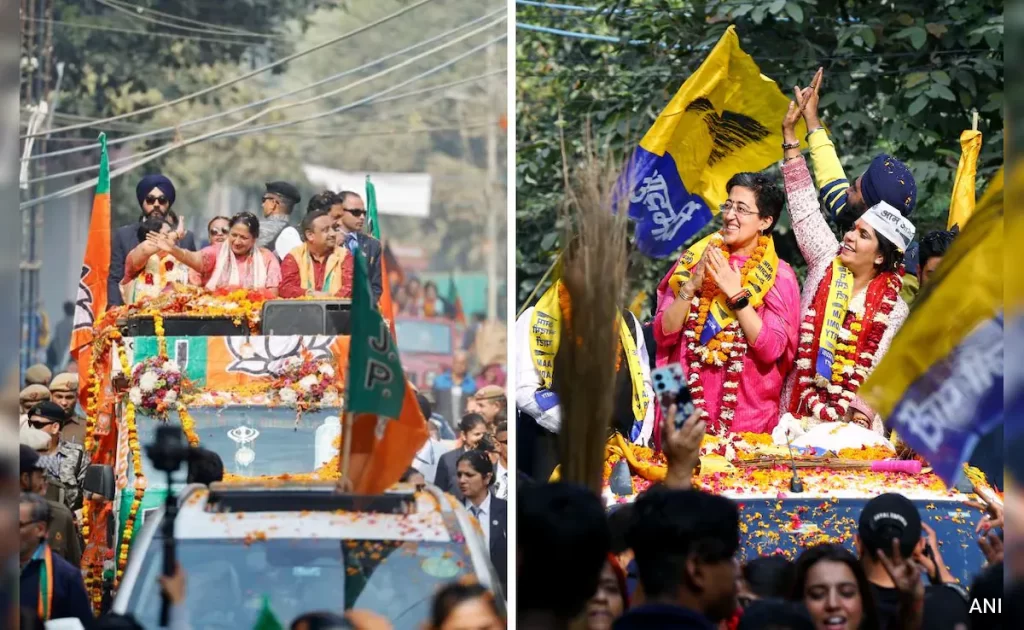
New Delhi – Delhi saw a political reset on Wednesday as the Municipal Corporation of Delhi (MCD) declared the results of bypolls in 12 wards. I report the numbers, the shifts, and the political undercurrent that shaped this outcome.
The BJP reclaimed ground with seven wins. AAP secured three, while Congress and the All India Forward Bloc (AIFB) picked up one seat each. Earlier, nine of these wards belonged to the BJP and three to AAP. The bypolls took place on November 30. Although the turnout dropped to 38.51%, the contests stayed tight across several wards.
I begin with the BJP’s performance. The party pushed aggressively to regain its traditional bastions. As counting started at 10 designated centres, BJP candidates quickly took early leads. Soon, Anita Jain clinched Shalimar Bagh B. Manisha Devi captured Dwarka B. Sarla Choudhry secured Vinod Nagar. The party continued its march as Veena Asija, Anjum Mandal, Rekha Rani and Suman Kumar Gupta won in their respective wards. This spread helped the BJP regain momentum at the municipal level.
Meanwhile, AAP aimed to hold its ground. Though the party previously held three wards here, it focused on rebuilding support after recent internal setbacks. Ram Swaroop Kanojia won Dakshin Puri. Anil grabbed Mundka. Rajan Arora captured Naraina. These wins showed that AAP still retains pockets of strong influence, especially in mixed-population belts.
Congress entered the race with strategic restraint but managed a symbolic win. Suresh Choudhry took Sangam Vihar after a close fight. The AIFB made its mark too. Mohd. Imran won the Chandni Mahal ward, giving the smaller outfit a rare but notable victory.
Security remained tight throughout the counting process. The State Election Commission deployed around 1,800 Delhi Police personnel and 10 paramilitary companies. CCTV surveillance covered every strong room. Nearly 700 staff members handled the counting, while candidates and their counting agents followed strict protocols.
These bypolls delivered a snapshot of Delhi’s shifting political mood. The BJP regained confidence. AAP protected key pockets. Congress and AIFB found moments to stay relevant. As Delhi inches toward the next full-cycle civic elections, these results will shape campaign strategies and coalition conversations.
The stakes here extend beyond 12 wards. They signal how voters react to local governance, civic delivery, and party organisation. The BJP now enters the next phase with a visible upper hand. However, AAP still commands a loyal base. Congress gets a minor asterisk of hope, and AIFB walks away with a headline.
I will continue tracking how these small but significant shifts influence Delhi’s power map in the coming months.