Bengal pauses hearings for ‘unmapped’ voters as officials flag software errors
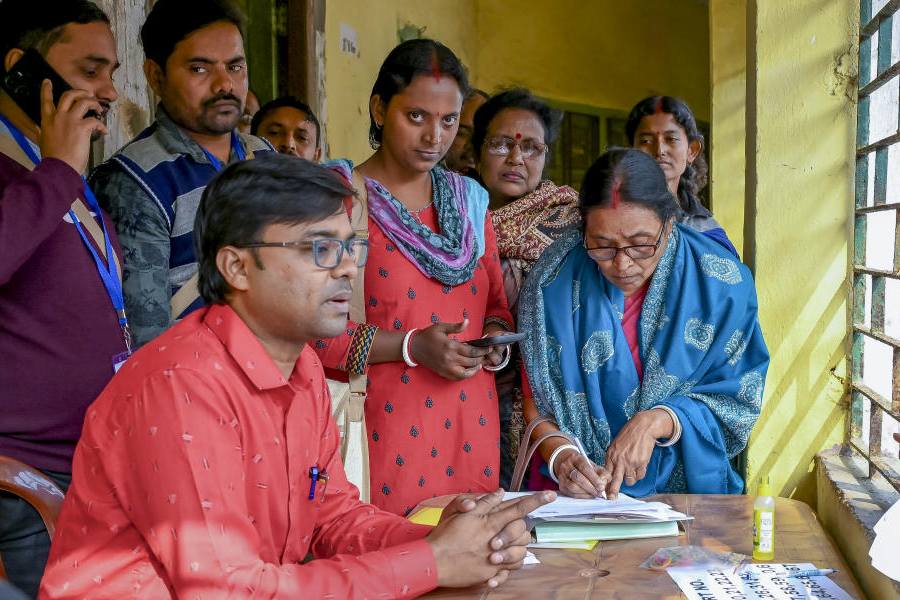
Officials in West Bengal reviewed the Special Intensive Revision process. Then they hit the brakes. They paused hearings for voters that the central software marked as “unmapped.” The move came after officers spotted big gaps between digital data and the 2002 electoral roll.
Field teams checked the old rolls. They traced many voters and their family members. Yet, the software still showed “unmapped.” Officials warned of system-driven deletion. They said the notices came from the central portal. They also said local Electoral Registration Officers had no role in triggering those calls. Therefore, the CEO’s office paused all hearings for this category.
However, the pause covers only one slice. EROs can still probe “unmapped” voters after on-ground checks. They can also act on other cases that raise doubts.
The rules for the revision set a clear test. Every elector must link the family to the 2002 roll. People must map themselves or a relative to stay on the list. After the draft roll came out, authorities removed 58 lakh names for death, migration, or absence. Meanwhile, the software flagged about 31 lakh more as “unmapped.” Those voters received notices for personal hearings.
The hearing cycle began on December 27. Concern grew fast. State service officers wrote to the CEO. They warned against mass deletion without the statutory judgment of the ERO. They cited the Representation of the People Act. The law gives the ERO the power to question eligibility and call a hearing. The ruling TMC then submitted its objections and demanded clarity.
By Saturday evening, the Additional CEO stepped in. He told district officials to stop calling voters from the “unmapped” list that still appear in the 2002 hard copy. He explained the glitch. The 2002 roll exists in PDF. The conversion to CSV remains incomplete. The BLO App, therefore, fails to fetch links for thousands of names. Yet, those names appear in the certified hard copy on the CEO’s website.
The CEO’s office sought a fix. The team asked the Commission to let BLOs and EROs upload authentic pages from the 2002 roll. That step can create correct links and save legitimate voters. Until then, EROs will hold the notices and avoid serving them. They will verify each case, upload documents, and close the files. BLOs will also visit homes, click photographs with voters, and add proof.
Still, the overall hearing process continues. Officials will proceed for people who already received notices. They will close those hearings once citizens appear. For those who never received notices, the calls stop for now.
Sources expect relief for many voters in this “not mapped” bucket. They also note earlier examples. During Bihar’s revision, authorities explained almost every deletion after scrutiny.
Now, Bengal officials want the same caution. They seek clear jurisdiction. They want technology to support, not override, due process. For the moment, they will verify first. Then they will decide. And they will try to protect every valid vote while they clean the rolls.