Bangladesh Captain Litton Das flags uncertainty over T20 World Cup amid ICC standoff
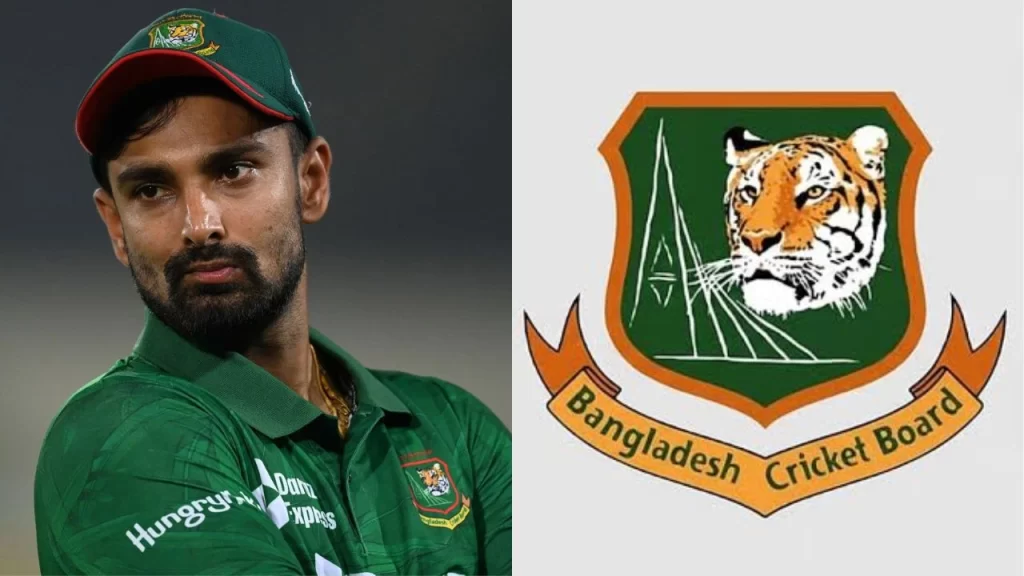
Uncertainty continues to surround Bangladesh’s participation in the T20 World Cup 2026. On Tuesday, Bangladesh captain Litton Das broke his silence but avoided direct answers. He said speaking on the issue did not feel safe. His remarks highlighted growing tension between the Bangladesh Cricket Board and the International Cricket Council.
First, the backdrop. The T20 World Cup stands barely two weeks away. However, Bangladesh’s place in the tournament still remains unclear. The dispute centers on the tournament venue. India hosts the competition. The Bangladesh Cricket Board has asked the ICC to move its matches to Sri Lanka. The board has cited security concerns as the reason.
So far, the ICC has shown little flexibility. Multiple meetings have taken place. Yet, no breakthrough has emerged. As a result, confusion continues to cloud Bangladesh’s plans.
Against this backdrop, Litton Das spoke after a Bangladesh Premier League match. Reporters asked him about pitch conditions and World Cup preparation. Instead of answering directly, he raised doubts about Bangladesh’s participation itself. His words reflected unease inside the camp.
Litton questioned the certainty of playing the World Cup. He said the players did not know what lay ahead. He added that uncertainty gripped the entire country. When reporters pushed further, he refused to elaborate. He said the topic did not feel safe for him. He ended the exchange without offering clarity.
Meanwhile, pressure has also risen at the political level. Earlier, Bangladesh government sports adviser Asif Nazrul made the government’s position clear. He said Bangladesh would not travel to India under any circumstances. He repeated that stance despite an ICC deadline. The ICC has asked the BCB to confirm participation by January 21.
Nazrul also rejected reports about Bangladesh’s replacement. He said he knew nothing about Scotland stepping in. However, current ICC rankings suggest Scotland could replace Bangladesh if the team withdraws.
Furthermore, Nazrul accused the ICC of double standards. He said the global body often bows to pressure from powerful cricket boards. He warned against imposing unfair conditions on Bangladesh. According to him, Bangladesh would not accept pressure tactics.
Nazrul also cited past examples. He referred to earlier tournaments where teams refused to travel to India. In those cases, the ICC shifted venues. He argued that Bangladesh had made a reasonable request. He insisted the board acted on logical grounds, not politics.
At the same time, the ICC has remained silent in public. Officials have not issued a formal response to Bangladesh’s demands. However, sources suggest the ICC prefers India as the venue due to logistics and commercial commitments.
As days pass, the clock continues to tick. Players face uncertainty. Team planning has suffered. Fans remain confused. Sponsors await clarity. Each passing day adds pressure on all sides.
For now, Bangladesh stands firm. The government backs the cricket board. The captain reflects the anxiety within the squad. And the ICC holds its ground.
Unless talks move quickly, the standoff may soon force a final call. That decision could reshape the tournament lineup and spark wider debate over power, safety, and fairness in global cricket governance.