10 Opposition MPs suspended amid Waqf JPC clash
Ten Opposition MPs faced suspension from the Joint Parliamentary Committee (JPC) on Friday after a heated clash during discussions on the Waqf Amendment Bill. The chaos erupted over sudden changes in the meeting schedule, intensifying tensions as the JPC nears its final report.
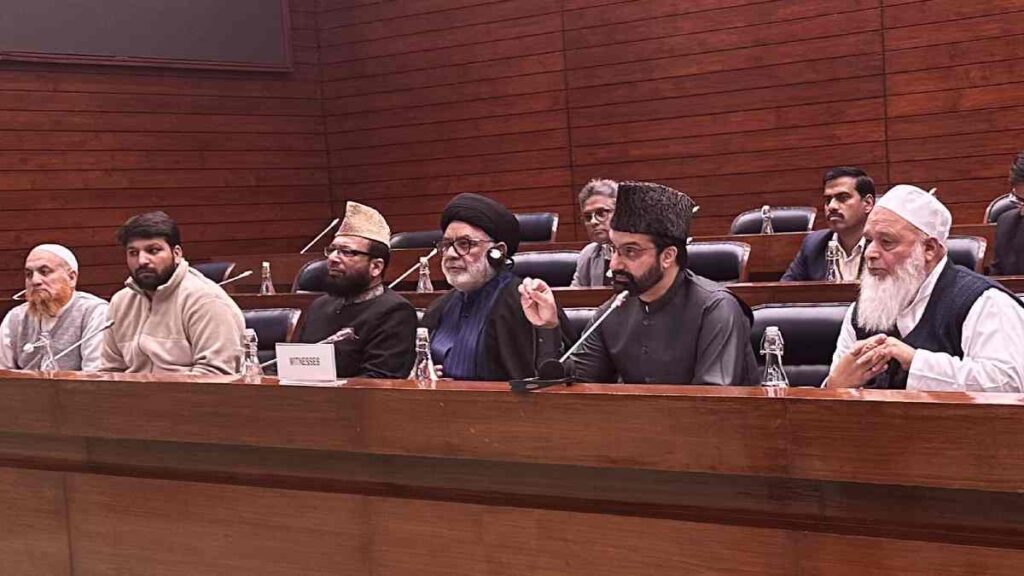
The dispute began when Opposition members accused the JPC chair, BJP MP Jagdambika Pal, of altering the agenda without prior notice. They claimed they only discovered the changes after arriving in Delhi. Frustrated, the MPs wrote to Lok Sabha Speaker Om Birla, alleging bias in the committee’s functioning. Pal, however, dismissed these allegations, blaming Opposition MPs for using offensive language and disrupting a meeting with Jammu and Kashmir cleric Mirwaiz Umar Farooq.
Pal explained the events, saying, “Kalyan Banerjee used abusive words against me. Despite the delegation from Jammu and Kashmir being present, they resorted to slogans and disruptions. Nishikant Dubey moved a motion, and we unanimously agreed to suspend them.”
The suspended MPs included leaders from parties such as TMC, DMK, AIMIM, Congress, SP, and Shiv Sena (UBT). Their suspension will last only for one day, allowing them to rejoin the next meeting on January 27.
Opposition members slammed the JPC’s handling of the proceedings. TMC MP Kalyan Banerjee accused the chairman of running the panel like a “zamindari” and ignoring their requests. Banerjee alleged political motives behind the rush to complete the bill before Delhi elections, saying, “The chairman refuses to listen. This JPC has become a farce.”
Friday’s disruption isn’t the first for the JPC. In October 2023, Kalyan Banerjee clashed with BJP leader Abhijit Gangopadhyay, leading to his suspension after breaking a glass bottle during arguments.
The Waqf Amendment Bill, introduced in the previous Parliament session, proposes significant changes to the governance of Waqf boards. Key provisions include redefining waqf creation, empowering district collectors to survey waqf properties, and including non-Muslims in Waqf councils. While the government argues these changes will modernize governance and ensure inclusivity, the Opposition views them as an infringement on religious rights.
During the meeting, Mirwaiz Umar Farooq voiced concerns about the bill, calling it an attempt to disempower Muslims. His delegation submitted a memorandum to the committee, urging reconsideration of the proposed amendments.
BJP MP Nishikant Dubey accused Opposition MPs of sabotaging the meeting. “Owaisi ji and others disrupted discussions. They misbehaved in front of Mirwaiz and undermined parliamentary norms,” he stated.
The Opposition demanded clause-by-clause discussions on January 30-31 to ensure thorough deliberation. Pal rejected the criticism, claiming the meeting schedule was adjusted to accommodate Opposition requests for Mirwaiz’s participation. He added that the government referred the bill to JPC to ensure transparency, despite having the numbers to pass it in Parliament.
As the JPC approaches its January 31 report deadline, the political divide over the bill continues to deepen. With each side accusing the other of misconduct, the bill’s passage remains a contentious issue, reflecting broader battles over governance and representation in Parliament.