Union Budget 2026: Date, Time, Session Schedule, and Key Build-Up Explained
India’s parliamentary calendar has turned its focus to the Union Budget 2026 as the Budget Session of Parliament gets underway. The session began on January 28 and will continue until April 2, 2026. During this period, lawmakers will debate financial priorities, policy direction, and government spending plans for the next fiscal year.
Meanwhile, Parliament has planned a mid-session recess. Both Houses will adjourn on February 13, 2026. They will reassemble on March 9, 2026. This break allows the Standing Committees to examine the Demands for Grants of various ministries and departments. After scrutiny, these committees will submit their reports to Parliament, which will guide detailed budget discussions.
In total, the Budget Session 2026 will include 30 sittings spread across 65 days. The first phase will have 13 sittings. The second phase will see 17 sittings. This structure ensures enough time for debate, review, and approval of financial proposals.
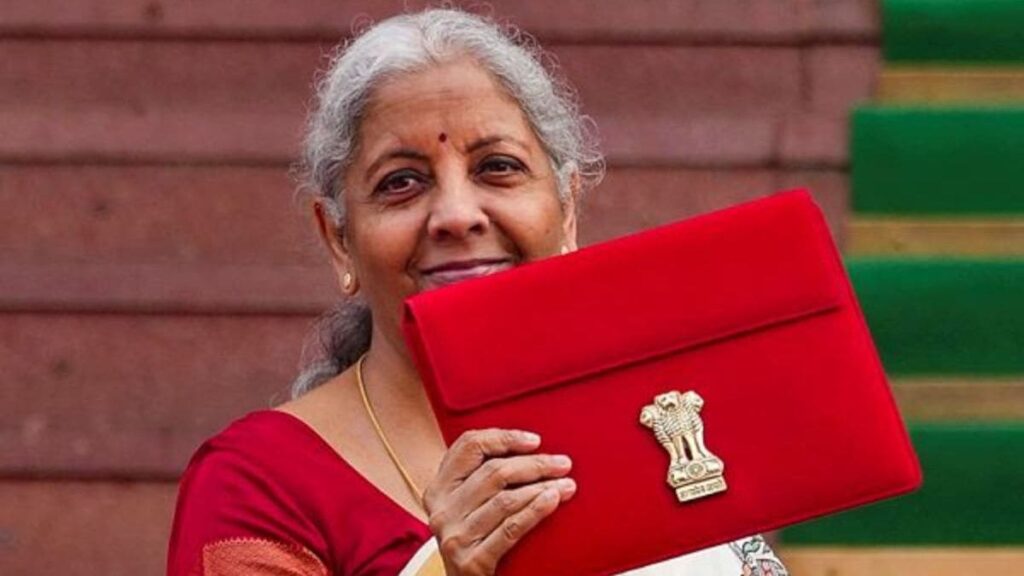
Against this backdrop, attention now centres on the presentation of the Union Budget 2026. Finance Minister Nirmala Sitharaman will present the budget on Sunday, February 1, at around 11 am. With this, she will deliver her ninth consecutive Union Budget. This milestone places her among the most consistent finance ministers in India’s parliamentary history.
As a convention, the final preparations concluded with the Halwa Ceremony. The ceremony took place on January 27 at the Budget Press in North Block. The event marks the last stage of budget preparation before presentation. It also signals the start of the traditional “lock-in” period, during which officials involved in drafting the budget remain isolated to maintain secrecy.
During the ceremony, Finance Minister Sitharaman joined secretaries from all departments under the Ministry of Finance. Senior officers associated with budget preparation also attended. Together, they marked the completion of months of work that shape the government’s fiscal roadmap.
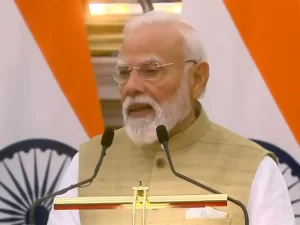
Meanwhile, political leadership has highlighted the significance of the occasion. Prime Minister Narendra Modi addressed the importance of the Budget Session ahead of the presentation. He noted that Sitharaman, as India’s first full-time woman finance minister, continues to create history by presenting the budget for the ninth time in a row.
At the same time, the Prime Minister underlined the broader approach of the government. He said public attention naturally focuses on the budget numbers and announcements. However, he stressed that the government’s core identity rests on the principles of “Reform, Perform, and Transform.” According to him, these ideas guide policy decisions across sectors, including finance, infrastructure, and social welfare.
As February 1 approaches, expectations continue to rise. Observers will watch closely for signals on growth, inflation control, fiscal discipline, and support for key sectors. Lawmakers will then take up detailed discussions during the remainder of the Budget Session.
Overall, the Union Budget 2026 will set the tone for the government’s economic agenda in the coming year. The structured session, established traditions, and political messaging together frame one of the most important events in India’s parliamentary calendar.