UK court turns to Delhi High Court in Nirav Modi fraud loan battle
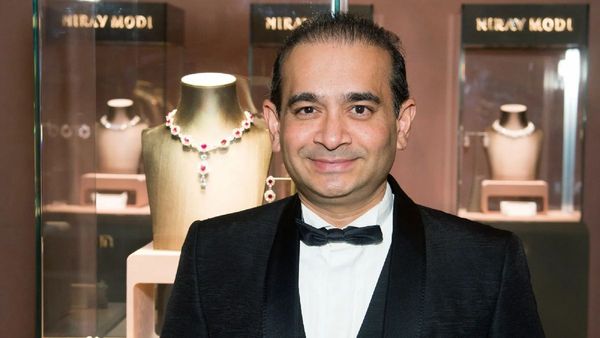
In a fresh twist in the Nirav Modi saga, a UK court has sought help from the Delhi High Court to record testimony from a crucial Bank of India witness. The move marks another step in cross-border legal cooperation linked to alleged financial fraud involving the fugitive diamond trader and his firms.
To begin with, the UK Supreme Court’s King’s Bench Division sent a formal judicial request to India. The Union Law Ministry received the communication and forwarded it to the Delhi High Court. The request asks Indian authorities to assist in recording the statement of a Delhi-based Bank of India official, whose evidence holds importance in an ongoing civil recovery suit in the United Kingdom.
The case stems from Bank of India’s legal action abroad against Firestar Diamond FZE, Firestar International Private Limited, and Nirav Modi. The bank claims the companies took loans using fraudulent letters of undertaking and later failed to repay large sums. Consequently, the bank has pushed for recovery proceedings before UK courts, where the firms remain under scrutiny.
During hearings, the UK court identified Animesh Barua, a Bank of India manager posted in Delhi, as a key witness. Barua handled records and transactions linked to the disputed loan facilities. Therefore, the UK judges stressed the need to capture his testimony under oath to strengthen the evidentiary record.
However, Barua lives within the jurisdiction of the Delhi High Court. As a result, the UK court invoked international legal channels instead of summoning him directly to Britain. It relied on the Hague Convention of 1970, which allows courts to request assistance from foreign jurisdictions for evidence in civil and commercial disputes.
Following the request, the Indian Law Ministry formally approached the Delhi High Court and detailed the purpose of the examination. The ministry asked the court to oversee the recording of Barua’s statement in accordance with UK legal requirements. After completion, authorities will transmit the testimony to the UK through the British High Commission.
Subsequently, the Delhi High Court acknowledged the request and listed the matter for consideration. The bench appointed Additional Solicitor General Chetan Sharma to assist in handling procedural aspects and ensure smooth coordination between Indian and UK legal systems.
At the same time, the court directed issuance of notices to all concerned parties. Officials served these notices on Nirav Modi and his companies through the Indian Consulate General in the United Kingdom. This step ensures that the defendants remain informed and retain the opportunity to respond within the legal framework.
Legal experts see the development as part of a broader international effort to pursue financial accountability across borders. Investigators and banks have continued to trace transactions linked to Modi’s firms in multiple jurisdictions. Therefore, cooperation between courts has become central to advancing recovery cases and tightening the evidentiary chain.
Importantly, the latest move does not relate to Modi’s criminal extradition proceedings. Instead, it focuses purely on civil liability and recovery of alleged unpaid loans. Still, the action adds pressure, as sworn testimony from bank officials could bolster claims against the fugitive businessman.
For now, attention shifts to the Delhi High Court, which will supervise the evidence-gathering process. Once the testimony reaches the UK court, the civil fraud case against Nirav Modi and his firms will move forward with stronger documentary support.