
Supreme Court sets new guideline, says governors cannot Delay bills indefinitely
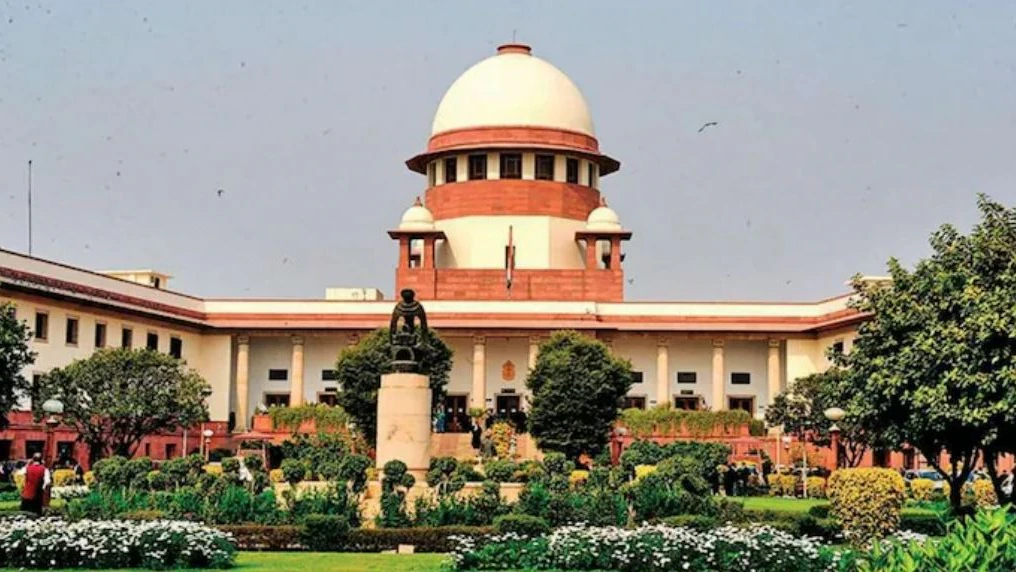
New Delhi – A major constitutional development today as the Supreme Court delivered a crucial advisory opinion on the powers of Governors and the President regarding state bills. A five-judge Constitution Bench said it cannot impose strict timelines on them for clearing bills. The bench added that doing so would violate the separation of powers and disturb the constitutional framework.
Chief Justice Bhushan R. Gavai delivered the unanimous opinion. He said Articles 200 and 201 give Governors and the President specific choices while dealing with bills. These choices include giving assent, withholding assent, or sending the bill to the President. He added that Governors must act on the aid and advice of the council of ministers in most cases. Yet, the Constitution gives them limited discretion in certain situations.
The court then explained that this discretion becomes important when a Governor returns a bill or refers it to the President. These actions require constitutional judgment. Therefore, the bench said it cannot force Governors to follow ministerial advice in every situation. It also said it cannot allow “deemed assent” because that would destroy the constitutional role assigned to Governors and the President.
The bench included Justices Surya Kant, Vikram Nath, PS Narasimha, and Atul S. Chandurkar. This opinion came on a rare presidential reference under Article 143. President Droupadi Murmu sought clarity after an April 8 ruling from a two-judge bench in the Tamil Nadu bills case created confusion. That ruling had imposed deadlines on Governors and allowed deemed assent.
While clarifying the law, the Constitution Bench said the April 8 decision did not lay down the correct legal position. Therefore, it cannot be cited as precedent. The bench stressed that courts must maintain boundaries in presidential reference matters. It said the judiciary cannot expand the President’s questions or decide issues already in dispute elsewhere.
The bench then addressed the core concern: What happens when a Governor delays a bill for too long? The court said Governor-level decisions on bills are generally not open to judicial review. Yet, if a Governor deliberately sits on a bill, the courts may intervene in a limited way. They may direct the Governor to choose one of the constitutional options. However, they cannot tell the Governor what decision to take.
The court said this approach protects both sides. It prevents deliberate delays that block the legislature’s will. At the same time, it respects the independence of constitutional offices. It keeps the Governor from becoming a mere rubber stamp and stops courts from overstepping their role.
During the hearings, several states argued that delays by Governors cause constitutional paralysis. They said timelines are needed. But the Centre told the court that fixed deadlines violate the constitutional design. The bench agreed with the Centre’s view and said the Constitution already provides safeguards without judicial timelines.
The ruling marks a significant moment in Centre-state relations. It brings clarity to a long-running dispute and gives all sides a clear understanding of constitutional limits.