SC halts Aravalli Redefinition, starts rare self-review
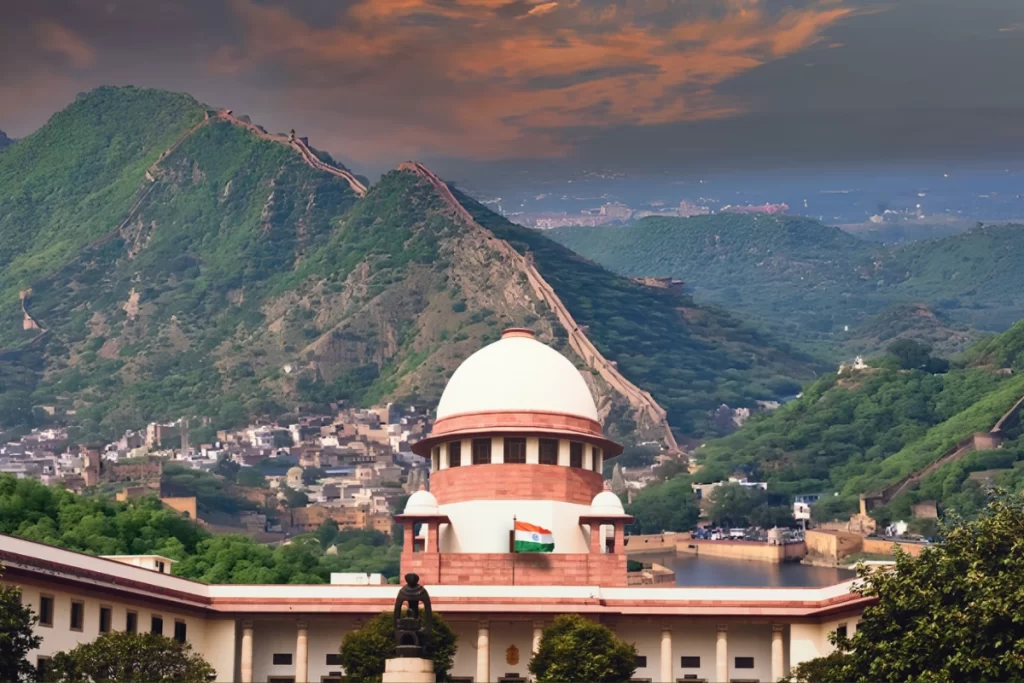
The Supreme Court shocked the legal world on Monday. It stopped its own earlier ruling on the Aravalli hills. The judges said the issue needs fresh expert review. They chose caution. They chose speed. And they chose to act without waiting for anyone to move a formal review petition.
First, the bench led by Chief Justice Surya Kant reopened the matter on its own. The court took suo motu notice. It treated the November 20 ruling as a live concern. Then, it asked experts to study the impact. The court framed pointed questions. It stressed the ecological value of the Aravallis. It noted the risk to air, water, wildlife, and local communities.
Earlier, a three-judge bench had redefined what counts as Aravalli land. That ruling narrowed the definition. Critics warned that the change could open doors for mining and construction. Environmental groups marched. Students protested. Local residents raised alarms. They said the hills shield North India from desert winds. They also said the hills recharge groundwater. Therefore, they urged the court to rethink the decision.
Now, the unusual part stands out. A bench with the same strength stayed the earlier ruling. Courts usually avoid that. Normally, a larger bench corrects a smaller bench. However, this time the court chose a faster path. The judges said the environment cannot wait. They also signaled the need for institutional credibility.
This move is rare, yet not new. In 2019, the court ordered states to evict people whose land claims failed under the Forest Rights Act. Soon, protests erupted. Within weeks, the same bench pressed pause. It told states to follow due process. The government also sought a modification. The court listened. It course-corrected.
Earlier, in 2018, another bench set limits on arrests under the SC/ST Act. The ruling triggered national outrage. The court later reviewed it. A larger bench stepped in. Parliament then amended the law. The court eventually recalled the earlier judgment. Again, the system corrected itself, though with external prompts.
This time, the court moved first. No litigant pushed. No ministry filed a plea. The judges saw public concern. They heard scientists. They weighed past environmental rulings. Then, they acted.
The court also drew on its own legacy. Since the 1980s, it has treated environmental harm as a rights issue. It monitored Delhi’s air pollution for decades. It nudged the city toward CNG buses. It tightened rules on forest diversion in the Godavarman case. It stopped illegal mining across states. It protected the Delhi Ridge. It reminded governments that development needs balance.
Similarly, the Aravallis carry long legal protection. As early as 1996, the court stopped unlawful mining there. It warned states against reckless building. It told agencies to guard the fragile range.
Now, the court returns to the same question: how to protect growth and nature together. The new review will test science. It will test governance. It will test the court’s own reasoning.
For now, the hills wait. The court pauses. And India watches how the review unfolds.