Rahul Gandhi faces expulsion call: How a Lok Sabha MP can be disqualified step by step
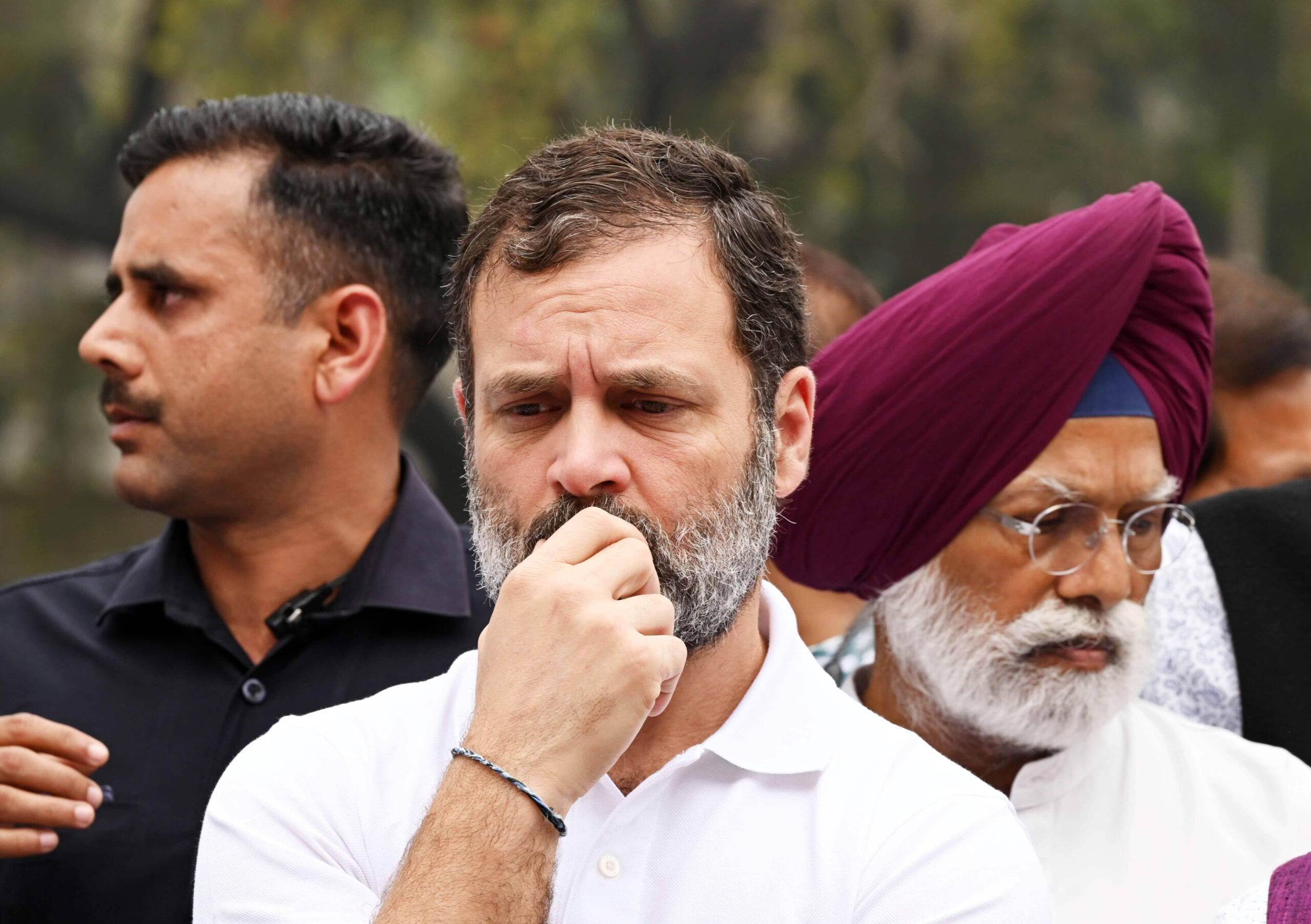
A fresh political controversy erupted in New Delhi on Tuesday. Nishikant Dubey raised a demand against Rahul Gandhi in the Lok Sabha. He sought Gandhi’s expulsion over his remarks on the India-US trade deal. The move has reignited debate on how Parliament handles misconduct cases.
First, Dubey submitted a formal notice in the House. He represents the Bharatiya Janata Party. Through the notice, he demanded the cancellation of Gandhi’s membership. He also called for a lifetime ban on contesting elections.
Meanwhile, Gandhi leads the Indian National Congress and remains one of the main opposition voices. Therefore, the demand carries major political implications. It has also triggered questions about parliamentary rules and procedures.
How the Expulsion Process Begins
To begin with, any MP or political party can file a complaint. The complaint must cite specific charges. It must also include supporting material. Once submitted, the process moves to the Speaker’s office.
Next, the Speaker examines the notice. If the matter appears serious, the Speaker may forward it for detailed scrutiny. Usually, the Speaker refers such cases to the Committee of Privileges.
This committee functions as an internal watchdog. It examines cases of misconduct, breach of privilege, or unethical conduct. Its role remains central to disciplinary action.
Committee Investigation and Report
After receiving the reference, the committee starts its probe. It collects documents. It summons witnesses. It also calls the concerned MP to present a defence.
During this stage, the member gets full opportunity to explain their stand. The committee reviews all evidence carefully. It studies legal provisions and parliamentary precedents.
Subsequently, the committee prepares a report. The report contains findings and recommendations. If the panel finds serious violations, it may suggest expulsion or suspension.
Then, the committee submits the report to the Speaker. The Speaker places it before the House.
Debate and Voting in the House
After that, MPs discuss the report in the Lok Sabha. Members from different parties present their views. They debate the charges and the proposed punishment.
If the report recommends expulsion, a formal motion follows. The House then votes on the motion. A simple majority of members present and voting decides the outcome.
If the majority supports the motion, the House removes the MP from membership. The seat then becomes vacant, and authorities announce a by-election.
Background: Rahul Gandhi’s 2023 Disqualification
This is not the first time Gandhi has faced disqualification. In 2023, a Surat court convicted him in a criminal defamation case. The court sentenced him to two years in prison over remarks linked to the “Modi surname.”
Under election law, a two-year sentence triggers automatic disqualification. Following the verdict, authorities removed him from the Lok Sabha.
However, Gandhi challenged the ruling. He approached the Supreme Court of India. The court stayed his conviction. As a result, his membership returned, and he resumed parliamentary duties.
What Happens Next
At present, the expulsion demand remains at an early stage. The Speaker has not yet announced further action. Political observers expect close scrutiny before any referral.
For now, the issue reflects rising political tensions. It also highlights how parliamentary discipline works in practice. Every step involves legal review, committee scrutiny, and democratic voting.
Therefore, any decision on Gandhi’s future will depend on procedure, evidence, and numbers in the House. Until then, the matter will continue to dominate political debate.