No conflict ends through war alone: PM Modi calls for dialogue and diplomacy amid West Asia crisis
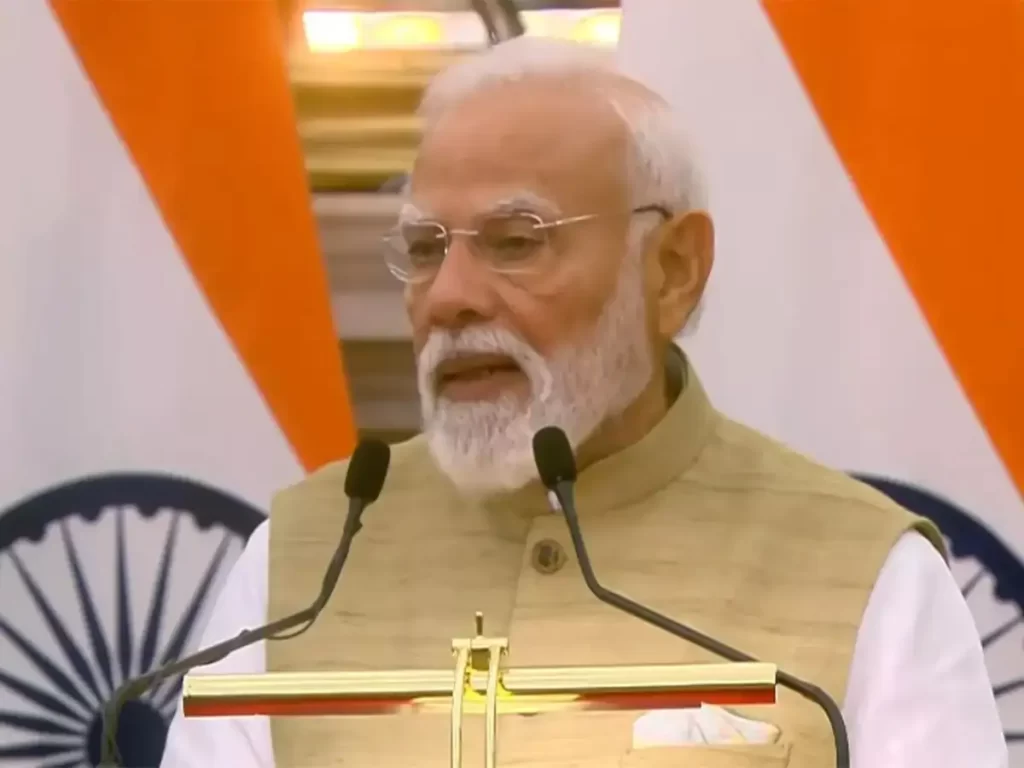
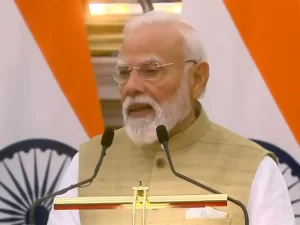
Prime Minister Narendra Modi on Thursday stressed that military confrontation cannot resolve global conflicts. He said India believes in the rule of law, dialogue, and diplomacy as the primary tools for peace. His remarks came at a time when tensions continue to rise in West Asia and Eastern Europe.
Modi made these comments during bilateral talks with Finland’s President Alexander Stubb in New Delhi. The meeting took place amid growing global concern over escalating hostilities in the Middle East. Just a day earlier, a United States submarine had sunk an Iranian naval vessel near Sri Lanka, highlighting the expanding reach of the conflict.
While addressing the media, Modi said India and Finland share similar views on international peace and stability. He emphasized that both countries support diplomatic engagement instead of military confrontation. According to him, armed conflict rarely delivers long-term solutions.
Modi said India will continue to support every initiative that aims to end ongoing wars. He referred specifically to the conflicts in Ukraine and West Asia. He added that a quick resolution through dialogue serves the interests of the global community.
At the same time, Modi highlighted the need to reform global governance institutions. He argued that the international system must adapt to modern challenges. He pointed out that institutions created decades ago now struggle to address complex geopolitical crises.
India has consistently called for reforms in the United Nations Security Council and other multilateral bodies. Modi reiterated that global institutions must become more representative and effective. According to him, such reforms will strengthen international cooperation during crises.
He also stressed the shared commitment of India and Finland to fight terrorism in all forms. Modi said countries must unite against extremist violence and cross-border terrorism. He described this cooperation as essential for long-term global security.
President Alexander Stubb also spoke about the worsening international security environment. He said conflicts in Ukraine and West Asia continue to create instability across regions. Stubb noted that Russia’s war in Ukraine has dragged on for years and still threatens European security.
He emphasized that a sustainable peace must follow international law and the principles of the United Nations. According to him, any lasting settlement must respect sovereignty and territorial integrity.
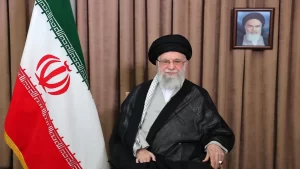
Meanwhile, India has closely monitored the fast-changing situation in West Asia. The conflict intensified after strikes by Israel and the United States killed Iran’s Supreme Leader Ayatollah Ali Khamenei in late February. Since then, military exchanges have spread across several regions.
Earlier this week, India publicly expressed concern about the growing violence. Officials in New Delhi said the government feels deep anxiety about the deteriorating security situation. The Ministry of External Affairs also expressed grief over the loss of lives during the strikes.
Foreign ministry spokesperson Randhir Jaiswal said the conflict directly affects India’s strategic interests. He pointed out that thousands of Indian nationals live and work in West Asia. In addition, the region plays a crucial role in India’s trade and energy supplies.
Jaiswal also confirmed that some Indian citizens have died or remain missing after recent attacks in the region. As a result, Indian authorities continue efforts to assist citizens who face distress due to the conflict.
Against this backdrop, Prime Minister Modi has increased diplomatic outreach across the Gulf region. In recent days, he spoke with leaders from Qatar, Oman, and Kuwait. During these conversations, he stressed the importance of restoring peace and stability through dialogue.
He also condemned any violation of sovereignty and territorial integrity. Modi urged all sides to choose diplomacy over escalation.
Through these steps, India aims to promote stability while protecting its citizens and strategic interests in a rapidly evolving geopolitical landscape.