NDA sweeps Bihar Rajya Sabha polls; opposition absences Tilt balance in tight contest
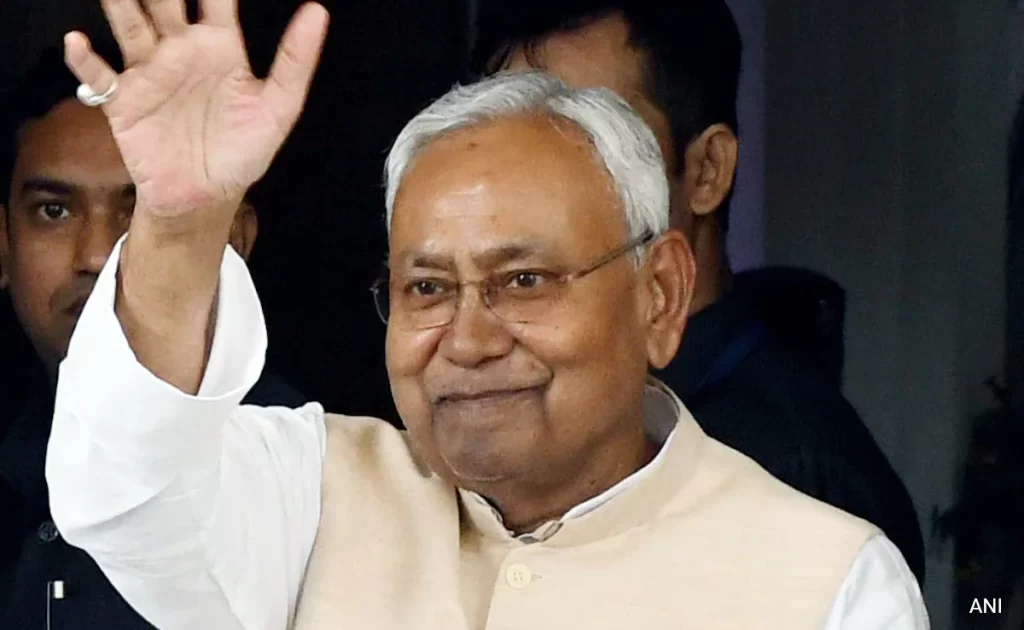
The National Democratic Alliance (NDA) secured a clean sweep in the Bihar Rajya Sabha elections on Monday. It won all five seats with a calculated strategy. In contrast, the Opposition lost ground after four of its legislators stayed away from voting.
First, the NDA ensured full attendance. All 202 of its members cast their votes early. As a result, the alliance maintained firm control over the numbers. Meanwhile, the Opposition failed to hold its strength. Three Congress MLAs and one RJD legislator did not turn up. Consequently, the Opposition tally dropped from 41 to 37.
Next, the contest for the fifth seat turned crucial. Both sides fell short of the required first-preference votes. Therefore, the election moved to second-preference counting. Here, the NDA’s planning paid off. BJP leader Shivesh Kumar secured victory in the third round with over 4,000 votes, crossing the required mark comfortably.
At the same time, senior NDA leaders secured safe margins. Nitish Kumar and Nitin Nabin received strong support. Similarly, Ram Nath Thakur and Upendra Kushwaha also won with ease. Their victories reflected disciplined voting within the alliance.
On the other hand, the Opposition struggled despite external backing. It secured support from AIMIM and BSP legislators. However, internal gaps weakened its position. Notably, Congress MLAs Manohar Prasad Singh, Surendra Prasad, and Manoj Biswas remained absent. In addition, RJD MLA Faisal Rahman also skipped voting. This absence dealt a major blow to the Opposition’s calculations.
Following the results, political reactions intensified. JD(U) leader Sanjay Kumar Jha said the NDA used strategy effectively. He argued that the alliance understood the importance of second-preference votes. In contrast, he criticized the Opposition for failing to manage its own numbers.
However, the Opposition pushed back. RJD leader Tejashwi Yadav alleged manipulation. He claimed that pressure tactics and inducements influenced the outcome. Meanwhile, Bihar Congress chief Rajesh Ram accused the BJP of engineering defections. He also raised concerns over sudden loss of contact with party MLAs.
Despite these claims, NDA leaders rejected the allegations. JD(U) minister Ashok Choudhary said internal dissatisfaction caused the absences. He argued that Opposition MLAs chose not to participate. Similarly, BJP and its allies said the result reflected weak coordination within rival ranks.
From the ground, the election highlighted shifting political equations. The NDA already held a strong majority in the 243-member Assembly. It needed careful planning only for the fifth seat. Instead of chasing extra votes, it relied on second-preference strength. This move proved decisive.
In the background, concerns over divisions within Congress had already surfaced. The party had not announced a legislature leader for months. This delay raised doubts about internal cohesion. The Rajya Sabha election exposed these cracks further.
Looking ahead, the focus now shifts to leadership within JD(U). The party has announced its presidential election schedule. Sources suggest that Nitish Kumar may continue in the role. His possible move to the Rajya Sabha could also expand his national role.
In conclusion, the NDA combined numbers with strategy to dominate the election. Meanwhile, the Opposition faced setbacks due to absence and internal strain. This result may shape Bihar’s political direction in the coming months.