India responds to Sheikh Hasina verdict, calls for peace and stability in Bangladesh
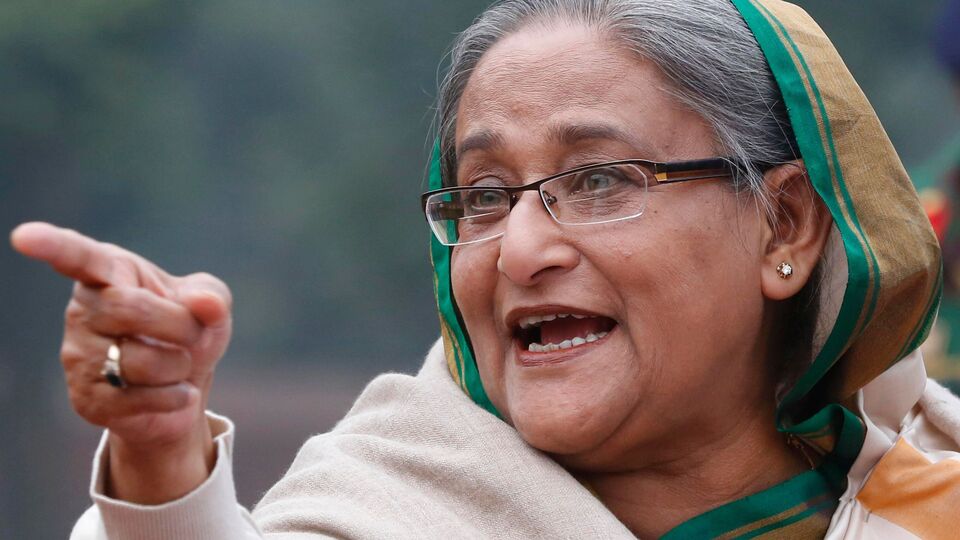
New Delhi – India reacted firmly on Monday after Bangladesh’s International Crimes Tribunal sentenced former Prime Minister Sheikh Hasina to death. The Ministry of External Affairs said India remains committed to the best interests of the people of Bangladesh. It added that India will continue to engage constructively with all stakeholders to support peace, democracy, inclusion, and stability in the neighbouring country. Hasina has lived in exile in New Delhi since her ouster in August 2024.
The tribunal also sentenced former interior minister Asaduzzaman Khan and former police chief Chowdhury Abdullah Al-Mamun. The court found them guilty of crimes against humanity linked to last year’s student-led uprising. According to UN estimates, that movement claimed up to 1,400 lives. The trial moved quickly over the last several months. It focused on an alleged order that Hasina issued to crack down on the protests.
Soon after the verdict, the interim government in Dhaka called the judgment historic. Chief Adviser Muhammad Yunus praised the decision. He urged India to hand over Hasina and Khan so Bangladesh could enforce the tribunal’s ruling. Reports say Dhaka had made similar requests earlier. However, India did not respond to those demands.
Meanwhile, Hasina strongly rejected the court’s findings. She called the trial politically driven. She argued that the tribunal was set up by an unelected government without public mandate. She said the process denied her a fair chance to defend herself. She also claimed the tribunal refused to examine evidence properly. Hasina said she would face her accusers in an independent and lawful court but refused to accept what she described as a rigged verdict.
To understand the crisis, one must look at the roots of the 2024 uprising. Bangladesh had long reserved 30 percent of civil-service jobs for veterans of the 1971 war and their families. Hasina removed the quota in 2018. However, a lower court revived it in 2024. Students and young professionals opposed the reinstatement. They said it blocked merit-based hiring. Protests spread rapidly. The government imposed a curfew to control the unrest, but tensions only escalated.
The Supreme Court later ruled that 93 percent of government jobs must go to candidates selected on merit. Even then, violence continued. Public anger spiraled. The movement shifted from a quota protest to a broad revolt against Hasina’s leadership. Demonstrators accused her government of authoritarianism. The unrest reached its peak on August 5 when she stepped down and fled to India.
Today’s verdict marks a critical turning point for Bangladesh. The political climate remains tense. India’s response emphasises stability in the region. New Delhi says it will continue to act in support of the Bangladeshi people.
As the situation evolves, both countries now face a diplomatic quandary. Bangladesh demands the return of its former leaders. India prioritises regional peace. The crisis shows no sign of fading. However, officials say focused engagement and dialogue offer the best path forward for both nations.