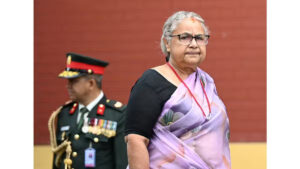
India expresses condolences after death of Iran’s Supreme Leader Ali Khamenei amid escalating West Asia war
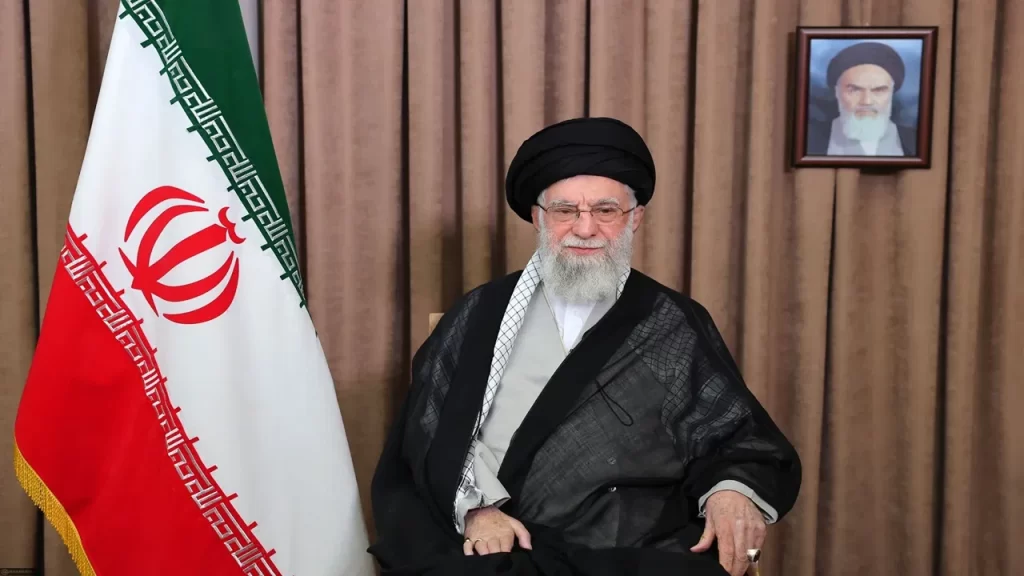
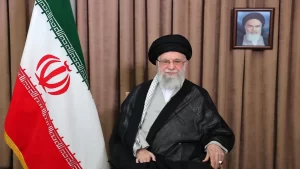
India expressed condolences after the death of Iran’s Supreme Leader Ali Khamenei. The government conveyed the message through diplomatic channels in New Delhi. Meanwhile, senior officials marked the moment at the Iranian mission in the capital.
On Thursday, India’s Foreign Secretary Vikram Misri visited the Iranian embassy. He signed the condolence book on behalf of the Government of India. Through this gesture, New Delhi acknowledged the passing of Iran’s top leader and extended sympathy to the Iranian people.
However, the condolences came at a time of intense regional turmoil. A joint airstrike by the United States and Israel killed Khamenei on February 28. The strike marked a dramatic escalation in tensions across West Asia. Soon after the attack, the conflict expanded beyond Iran’s borders and drew global attention.
For years, geopolitical rivalry shaped relations between Iran, the United States, and Israel. Tensions frequently rose over nuclear issues, regional security, and proxy conflicts. Analysts had long warned that a direct military confrontation could trigger instability across the wider region.
That concern now appears real. Since the strike on Khamenei, military activity has intensified across multiple theatres. Reports indicate that fighting and retaliatory operations continue in several areas connected to the conflict.
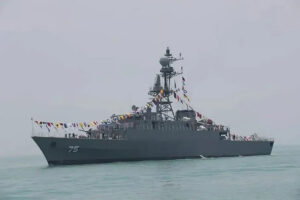
The impact has already reached distant regions. Near the coast of Sri Lanka, a US submarine reportedly torpedoed an Iranian naval vessel. The incident showed how the conflict has spread beyond traditional battlegrounds in West Asia.
At the same time, tensions rose in the Caucasus. Authorities in Azerbaijan warned of retaliation after a drone struck an airport facility in the country. Officials declared that the attack would not remain unanswered. They also signaled preparations for countermeasures. Consequently, observers now fear that another state could enter the conflict.
Meanwhile, Iran continues to report heavy casualties from the war. According to the state news agency Islamic Republic News Agency, more than a thousand people have died since the fighting began. The figure includes both civilians and military personnel. Independent verification of these numbers remains difficult due to the ongoing conflict.
In addition, damage reports continue to emerge from inside Iran. Local media described extensive destruction in the capital city of Tehran. Several civilian structures suffered damage during the latest wave of strikes. Reports mentioned a sports complex, a football stadium, municipal offices, and multiple shopfronts affected by the attacks.
Therefore, the humanitarian and economic consequences continue to grow. Urban infrastructure has taken repeated hits, and residents face mounting uncertainty. Analysts warn that further escalation could worsen the regional crisis.
Against this tense backdrop, India has chosen a cautious diplomatic approach. New Delhi maintains relations with several countries involved in the conflict. Consequently, officials have focused on measured statements and humanitarian concerns rather than political alignment.
India also has strategic interests in the wider West Asian region. Energy supplies, trade routes, and the presence of Indian citizens in Gulf countries make stability a key priority for policymakers in New Delhi.
For now, the situation remains fluid. Military operations continue, and diplomatic efforts have yet to produce a clear path toward de-escalation. Governments around the world continue to monitor developments closely.
In the meantime, India’s condolence message and diplomatic outreach signal respect for Iran’s leadership while highlighting the importance of stability during a rapidly expanding regional crisis.