Home Ministry alerts states after protests over Iran-US conflict
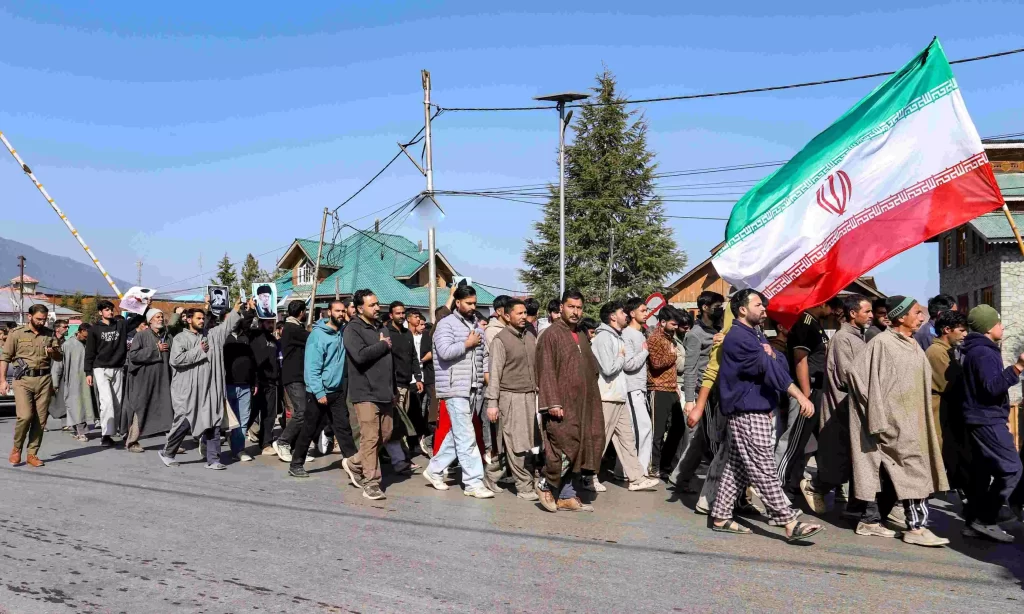
As tensions rise in West Asia, the Union government has stepped up internal security measures. The Ministry of Home Affairs has warned all states to prepare for possible violence linked to the ongoing Iran-US conflict. Officials issued the advisory after protests erupted in Jammu and Kashmir and Lucknow.
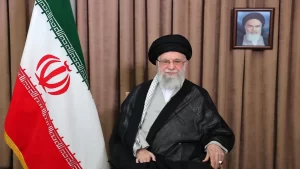
Demonstrations followed reports about the killing of Iran’s Supreme Leader, Ayatollah Ali Khamenei. Protesters gathered in parts of Srinagar and Lucknow. Police monitored the gatherings and increased deployment in sensitive areas. Authorities acted quickly to prevent clashes.
According to officials, the Home Ministry circulated a cautionary letter to all state governments on February 28. The communication urged chief secretaries and police chiefs to maintain high vigilance. It warned that developments in West Asia could trigger ripple effects within India. Therefore, the Centre asked states to track any signs of communal tension.
In addition, the ministry directed local administrations to monitor inflammatory speeches. It specifically asked officials to identify radical preachers who openly support Iran and deliver provocative sermons. Authorities fear that such speeches could inflame local sentiments. Hence, intelligence units have intensified ground-level surveillance.
Meanwhile, the conflict abroad has escalated sharply. Over the weekend, the United States and Israel carried out joint military strikes on Iranian targets. The operation focused on strategic sites and military infrastructure. Soon after, Iran announced a counteroffensive.
Iranian forces launched missiles and drones toward US and Israeli positions across West Asia. Due to the significant American military presence in the Gulf, several countries reported security alerts. The United Arab Emirates, Kuwait, Bahrain, Saudi Arabia and Oman heightened defenses. Some areas reported drone sightings and minor damage.
As the situation intensified, India responded cautiously. The Ministry of External Affairs called for restraint from all sides. It emphasized dialogue and de-escalation. At the same time, the government focused on the safety of Indian nationals in the region. Millions of Indians live and work in Gulf countries. Therefore, any instability directly affects Indian families and remittance flows.
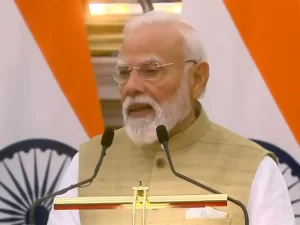
On Sunday, Prime Minister Narendra Modi chaired a high-level emergency meeting. Senior officials from security and foreign policy departments attended the review. Modi directed them to ensure the safety of Indians in West Asia. He also asked ministries to prepare contingency plans if evacuation becomes necessary.
Back home, state governments have begun preventive steps. Police have increased patrolling in sensitive districts. Cyber units have started scanning social media platforms for inflammatory posts. Community leaders have urged calm and restraint. Religious organizations in several cities have appealed for peace.
Security agencies believe that proactive coordination can prevent unrest. They aim to stop misinformation before it spreads. They also plan to engage with local leaders to defuse tension early.
For now, authorities remain on alert. The Centre continues to track global developments closely. While the conflict unfolds abroad, the government seeks to maintain domestic stability through vigilance and swift action.