Govt plans hybrid ATMs to boost small notes amid UPI surge
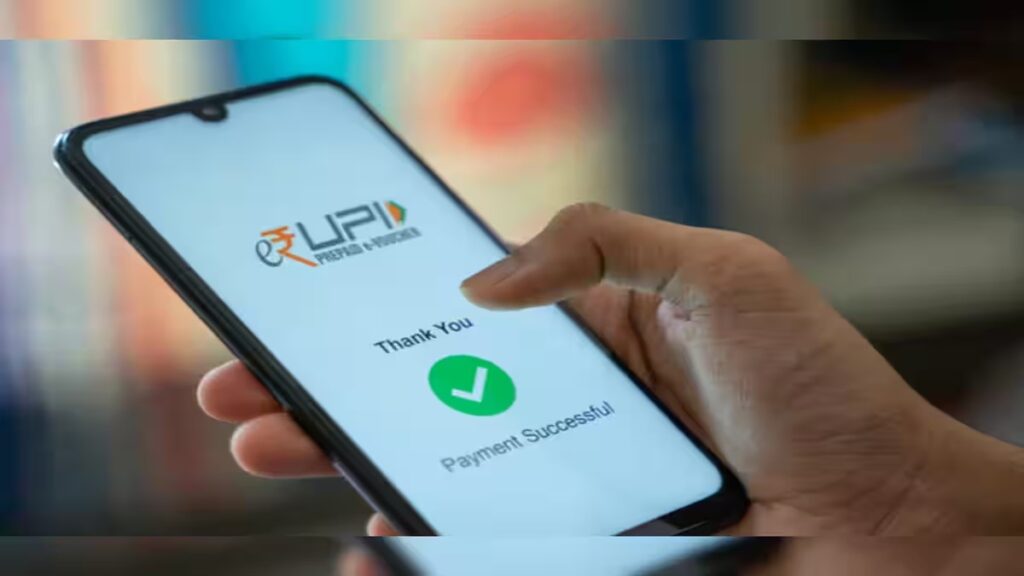
The government plans to expand access to small-denomination currency amid the rapid rise of digital payments through UPI. Officials aim to address public frustration over the scarcity of ₹10, ₹20, and ₹50 notes, especially in markets, transport hubs, and semi-urban areas where cash remains vital.
The proposal includes new ATMs capable of dispensing small notes and hybrid machines that can exchange large notes for smaller ones. “A prototype of low-denomination ATMs is under pilot testing in Mumbai,” said a source familiar with the plan. Once approved, authorities intend to scale the system nationally at high-footfall public spaces, including hospitals and government offices.
Officials also plan to urge the Reserve Bank of India to print more small notes. The initiative comes as shopkeepers frequently struggle to provide change for ₹500 notes, the most circulated denomination. Economists say this step will benefit the informal economy and rural areas where smartphone penetration is limited and UPI adoption remains uneven.
“Rural traders handle small volumes and values daily,” said Devendra Pant, chief economist at India Ratings & Research. “The government must improve ease of living and ensure currency availability for routine transactions.”
However, experts caution that ATMs alone cannot solve the shortage. “Hybrid ATMs cannot function effectively without adequate note supply,” said an unnamed banking executive. Printing, logistics, and note recirculation must increase in parallel to ensure the plan works.
The plan also raises questions about balancing cash and digital adoption. Analysts note that large-scale deployment may conflict with the government’s push for digital payments. “These machines should be deployed selectively,” said Vivek Iyer, partner at Grant Thornton. “Target areas where digital infrastructure is still developing, so currency availability aligns with payment maturity.”
Pilot projects will test operational efficiency, including dispensing, logistics, and public use. Authorities plan to monitor footfall patterns and cash demand at pilot locations before rolling out the initiative nationwide. Officials stress that the hybrid model will complement, not replace, UPI and other digital platforms.
If implemented successfully, hybrid ATMs could improve daily transactions for millions, particularly in semi-urban and rural India. The plan reflects a nuanced approach to balancing digital payment adoption with the practical need for small cash denominations.
Observers note that the initiative may also ease pressure on urban markets and help traders maintain business continuity. By targeting specific high-demand areas, authorities hope to reduce public inconvenience while supporting ongoing digitalization.
In conclusion, the government seeks to boost small-currency circulation through hybrid ATMs and additional printing. Combined with selective deployment and ongoing UPI adoption, the plan aims to make transactions smoother across the economy while addressing gaps in cash availability.