
Cabinet clears single higher education regulator, paving way for India’s biggest education reform
India’s higher education system is set for a major overhaul. On Friday, the Union Cabinet approved a landmark bill that will replace multiple regulators with one powerful authority. The move marks the most significant structural reform in decades.
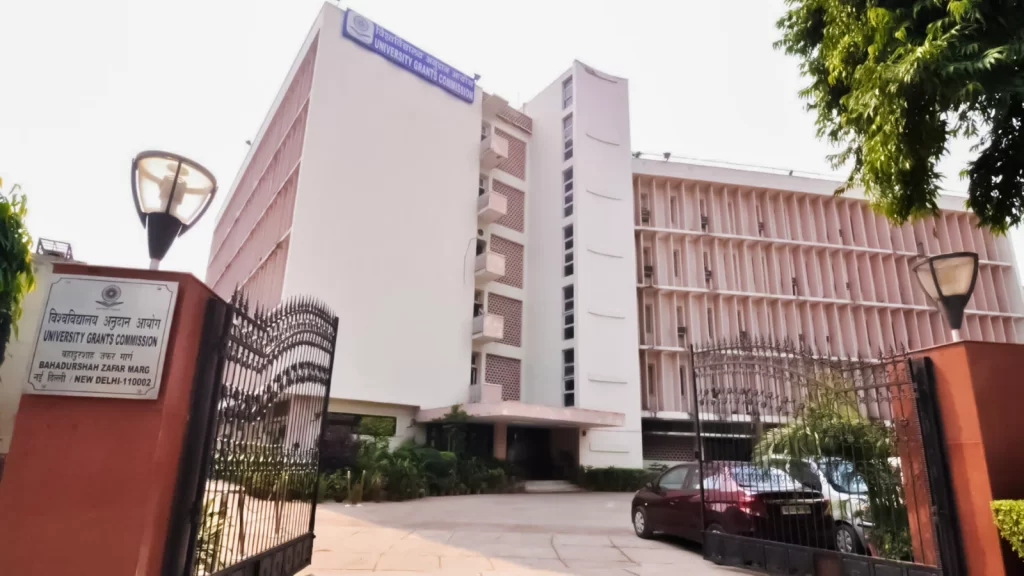
The new law will dissolve the University Grants Commission, the All India Council for Technical Education, and the National Council for Teacher Education. In their place, the government will create a single regulator for higher education. This body will oversee all non-medical and non-law institutions across the country.
Earlier, policymakers referred to the proposal as the Higher Education Commission of India Bill. Now, the government has renamed it the Viksit Bharat Shiksha Adhikshan Bill. With this change, the Centre has signalled a renewed push to align education reforms with long-term national development goals.
The Cabinet cleared the bill to deliver on a key promise of the National Education Policy 2020. The policy called the existing regulatory system complex and fragmented. It highlighted overlapping roles and weak coordination. Therefore, it urged a clean and comprehensive reset.
Under the new framework, the single commission will handle regulation, accreditation, and academic standards. It will also set professional benchmarks for institutions and courses. As a result, colleges and universities will deal with one authority instead of several.
However, the bill draws clear boundaries. Medical and law education will stay outside the commission’s control. Existing regulators in those sectors will continue their work. This separation aims to preserve specialised oversight in fields that require distinct standards.
Funding, meanwhile, will not move to the new regulator. The education ministry’s Department of Higher Education will continue to control financial support. Although early NEP drafts spoke of a separate Higher Education Funding Authority, the government has not revived that idea yet. For now, the current funding structure will remain.
For years, India’s higher education landscape has remained divided. The UGC has governed universities and non-technical courses. AICTE has regulated engineering and other technical programmes. NCTE has supervised teacher training. Each body has issued its own rules, approvals, and inspections. Consequently, institutions have often faced confusion and compliance burdens.
The NEP 2020 flagged this problem in strong terms. It argued that regulation should focus on outcomes, quality, and transparency. It also stressed that different functions should not sit with the same authority. The new bill attempts to answer those concerns by creating a streamlined system.
The idea of a single regulator did not emerge overnight. The government first released a draft HECI Bill in 2018. At that time, debate and resistance slowed progress. Later, momentum returned after Dharmendra Pradhan assumed charge as education minister in 2021. Since then, the ministry has worked to refine the proposal and build consensus.
With Cabinet approval secured, the bill now moves closer to Parliament. Once lawmakers pass it, the transition process will begin. The government will then outline timelines, staffing, and operational details.
Supporters argue that the reform will reduce red tape and improve accountability. They say it will help institutions focus on teaching and research instead of paperwork. Critics, however, seek clarity on autonomy and checks on regulatory power.
Even so, the decision marks a turning point. The Centre has chosen consolidation over fragmentation. It has also placed the NEP vision at the heart of governance reform.
As the bill advances, all eyes will remain on implementation. The success of this reform will depend not just on structure, but on execution.