Apple and Google push back against mandatory Sanchar Saathi pre-installation order
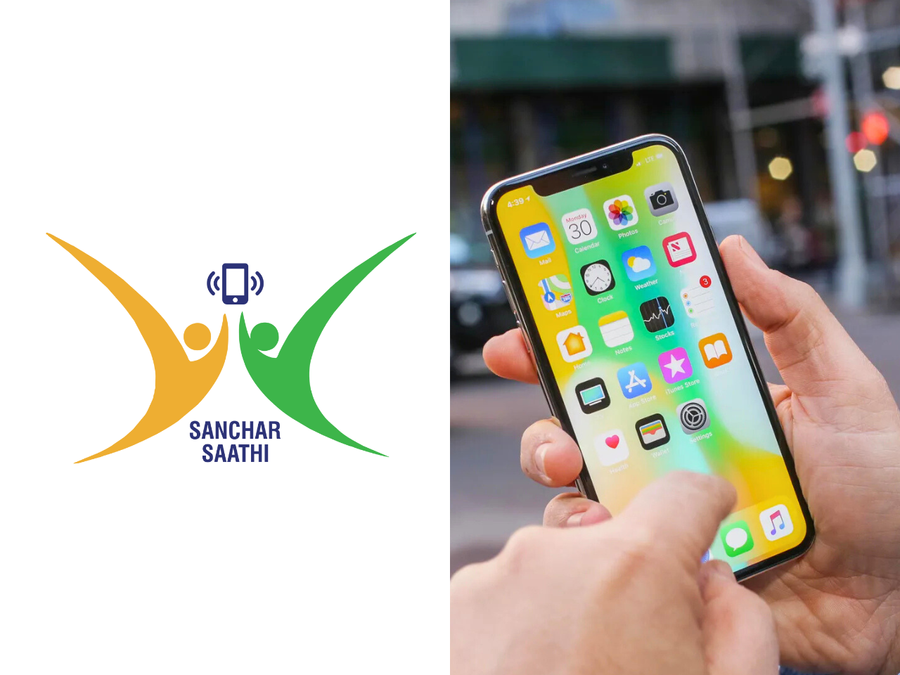
Apple and Google plan to resist the government’s directive to pre-install the Sanchar Saathi app on all new smartphones. They raise concerns about privacy, user consent, and system security. They also argue that the directive forces them to rewrite core parts of iOS and Android specifically for India.
Sanchar Saathi is a government-developed cybersecurity tool. It helps users report fraud, block scam calls and messages, and track stolen phones. The app has gained traction over time, yet its proposed mandatory installation has triggered debate.
Industry executives say Apple and Google never preload government apps in any global market. Therefore, the new rule challenges long-standing product policies. Moreover, they fear a precedent. If India demands a government app today, other countries may follow tomorrow. That domino effect could complicate global device manufacturing and software design.
Last week, the Department of Telecommunications sent a confidential order to manufacturers and importers. It asked them to install Sanchar Saathi by default and barred them from allowing users to disable it. As a result, companies immediately began internal assessments. Samsung continues its review. Apple and Google are exploring alternatives. They hope to offer the app through “less intrusive” channels, such as prompts or optional downloads.
Meanwhile, digital rights groups warn of privacy risks. They say mandatory preloading removes user choice and consent. They also fear “functional creeping.” This happens when an app slowly expands beyond its original purpose. Activists argue that such expansion could expose more user data over time. India’s massive smartphone base—over 650 million users—intensifies the stakes.
The government defends its plan. It says the app strengthens mobile security. Officials highlight the risk of phones with spoofed or duplicate IMEI numbers. They argue that Sanchar Saathi helps verify device authenticity and reduces telecom fraud. In a recent statement, the government linked fake IMEI devices to cyber threats.
However, tech giants see significant operational hurdles. Google would need to create an India-specific fork of Android to embed the app—an option it rejects. Apple faces a similar dilemma. Its policies forbid pre-installing third-party apps on iPhones. Complying would break its internal rules and complicate global consistency.
Multiple executives indicate that companies may consider a legal challenge. They prefer dialogue with the government first. If discussions fail, litigation remains a “viable option.” For now, both sides are preparing for negotiations.
Smartphone makers also worry about global ripple effects. Russia recently ordered manufacturers to preload MAX, a state-backed messaging app. Critics say the platform may enable surveillance. Companies fear that complying in India could weaken their stance against similar foreign demands.
As the debate intensifies, the industry watches closely. Apple, Google and Samsung continue their evaluations. The government stands firm on security grounds. Users await clarity on whether their next phone will come with a mandatory app. The standoff now moves toward a critical phase, where technology, privacy and regulation collide.