Pollution plus virus strike Delhi-NCR together, leaving most households struggling
New Delhi – Delhi-NCR is gasping for breath again. Toxic air and seasonal viruses have turned the region into a health emergency zone. A new LocalCircles survey shows that three in four households now have at least one unwell member.
The survey gathered over 15,000 responses from Delhi, Gurugram, Noida, Faridabad, and Ghaziabad. In late September, only 56% households reported illness. That number has now shot up to 75%.
Doctors across the region report a surge in H3N2 influenza and viral infections. Symptoms include cough, fever, sore throat, and fatigue. Many patients say recovery is slow and often stretches beyond ten days. “Children, the elderly, and those with chronic ailments are suffering the most,” the report highlights.
Toxic Air Turns Deadly
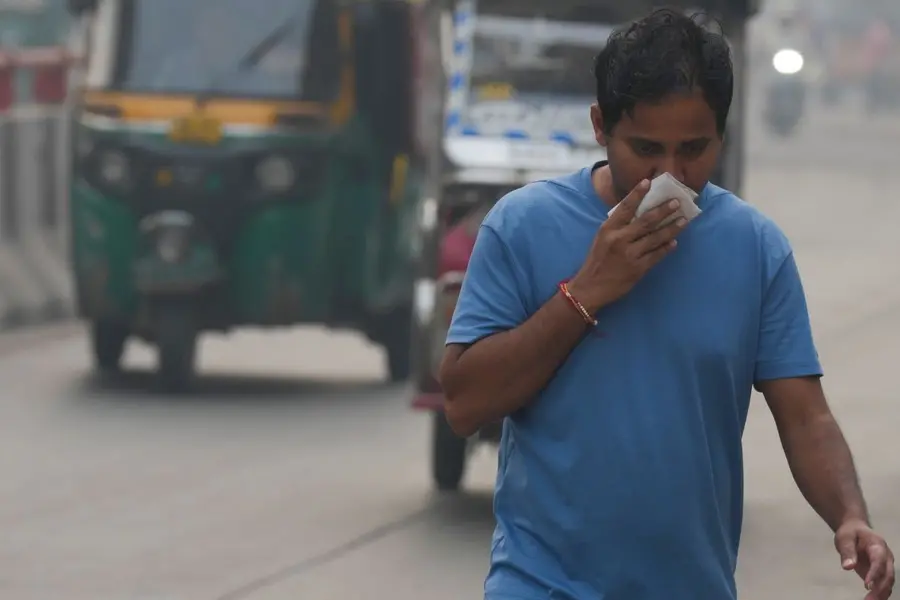
As the festive lights dimmed, the air turned poisonous again. Delhi’s AQI has stayed between 400 and 500, driven by farm fires, cracker smoke, and vehicle emissions. Levels of PM2.5 have touched 350 µg/m³ — ten times above the safe limit.
The survey also found that three in four households face breathing issues, cough, burning eyes, and headaches. These are classic symptoms of pollution exposure. “Residents face a double blow,” the report said. “Viral infections and toxic air together are worsening health and delaying recovery.”
The Silent Spread at Home
The data paints a grim picture. Seventeen percent of respondents said four or more family members were ill. Another 25% reported two to three sick members, while 33% had one unwell person. Only one in four homes remains fully healthy.
This trend shows how changing weather, poor air, and viral spread have combined to strain families across Delhi-NCR. The overlap between viral infection and pollution-linked distress has blurred medical diagnosis and stretched healthcare capacity.
Doctors Sound Alarm
Doctors warn that the dual impact could lead to more hospital visits and longer recovery times. “We are seeing severe respiratory distress in patients with asthma and bronchitis,” said a city-based pulmonologist. Hospitals in Gurugram and Noida also report higher footfalls in OPDs.
The Way Forward
Experts urge immediate action. Authorities must control vehicle emissions, check construction dust, and curb stubble burning in neighbouring states. Citizens have been advised to wear masks outdoors, use air purifiers indoors, and avoid crowded places till viral spread subsides.
LocalCircles researchers stressed the need for a coordinated health response. “The city needs cleaner air and stronger preventive measures,” their report concluded.
A City Gasping for Relief
Delhi’s skyline may look familiar, but its air grows deadlier each winter. The crisis now affects homes, schools, and workplaces alike. For millions of residents, breathing clean air has become more than a demand — it’s a right long denied.