Dalai Lama wins first Grammy at 90 for Spoken-Word Album with Amjad Ali Khan and Sons
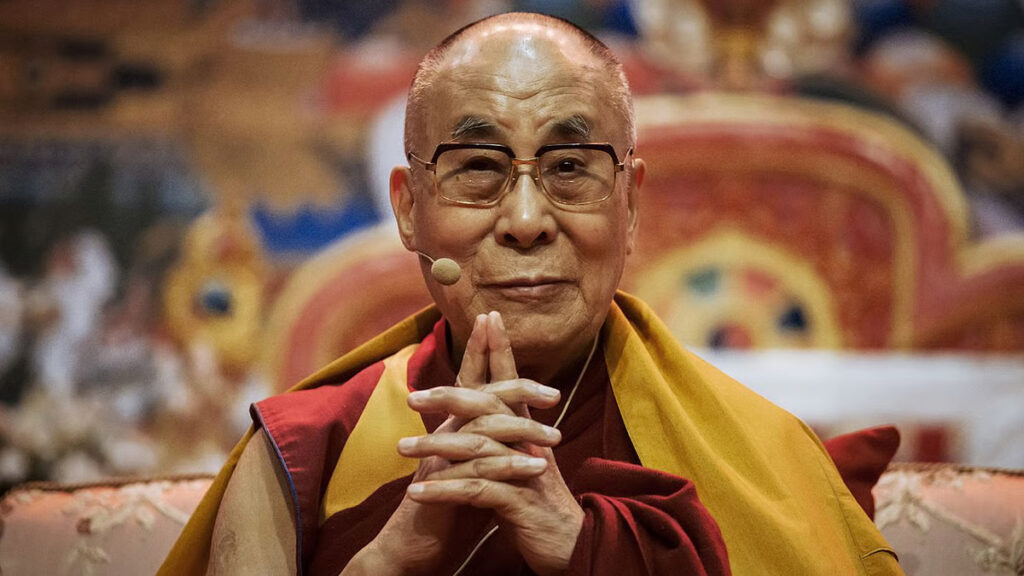
The Dalai Lama marked a historic milestone on Sunday. At 90, he won his first Grammy Award. He earned the honour for a spoken-word album that blends reflection and music. The global music industry took note.
The Recording Academy announced the win at the 68th Annual Grammy Awards. The ceremony took place in Los Angeles on February 1, 2026. The album, Meditations: The Reflections of His Holiness the Dalai Lama, won in the category of Best Audio Book, Narration, and Storytelling Recording.
In this category, the competition remained strong. Nominees included Trevor Noah, US Supreme Court Justice Ketanji Brown Jackson, Kathy Garver, and Fab Morvan. Despite the field, the Dalai Lama’s work stood out for its message and form.
The project brought together spiritual wisdom and classical music. The Dalai Lama collaborated with sarod maestro Amjad Ali Khan. He also worked with Khan’s sons, Amaan Ali Bangash and Ayaan Ali Bangash. Together, they created a layered soundscape. Spoken reflections flowed alongside Indian classical melodies.
The album focused on universal themes. It spoke about peace, compassion, kindness, and hope. It also addressed humanity’s shared responsibility toward the planet. These ideas shaped the album’s tone and structure.
Meanwhile, the Dalai Lama joined a list of first-time Grammy winners this year. Filmmaker Steven Spielberg also received his first Grammy at the same ceremony. The moment highlighted the diversity of voices honored by the Academy.
After the announcement, the Dalai Lama shared a message. He expressed gratitude and humility. He said the award did not belong to him alone. Instead, he viewed it as recognition of shared human values. He stressed the importance of peace and compassion. He also spoke about caring for the environment. According to him, these values matter for the well-being of all eight billion people on Earth.
Since the Dalai Lama did not attend the ceremony, musician Rufus Wainwright accepted the Grammy on his behalf. Wainwright acknowledged the significance of the moment during the presentation.
Later, officials from the Dalai Lama’s office explained the album’s intent. They said the project drew from his teachings over many years. These teachings came from talks on compassion, peace, and human unity. The album also reflected his long-standing concern for the environment.
Earlier, Amjad Ali Khan had shared his thoughts when the album received its nomination. He described the project as deeply personal. He said the collaboration allowed the artists to present the Dalai Lama’s wisdom in a new form. The music aimed to invite stillness and reflection. It also sought to carry a message of peace to wider audiences.
Khan also highlighted the collaborative spirit behind the album. He thanked every artist involved. He said each contributor brought creativity and purpose to the project. He described working with the Dalai Lama as a profound privilege.
The album came together with support from Glassnote Records. It featured the Dalai Lama’s meditative voice throughout. Indian classical music formed its core. At the same time, artists from different global traditions added depth and texture.
Over the years, the Dalai Lama has received global recognition for his work. He won the Nobel Peace Prize earlier for his commitment to nonviolence and dialogue. Now, the Grammy adds a cultural milestone to that legacy.
In the end, the win underscored a simple idea. Spiritual reflection can cross borders. Music can amplify meaning. Together, they can reach new generations with messages of peace and shared humanity.