Families of Nithari victims question Supreme Court’s acquittal of Surendra Koli — “Did a ghost kill our children?”
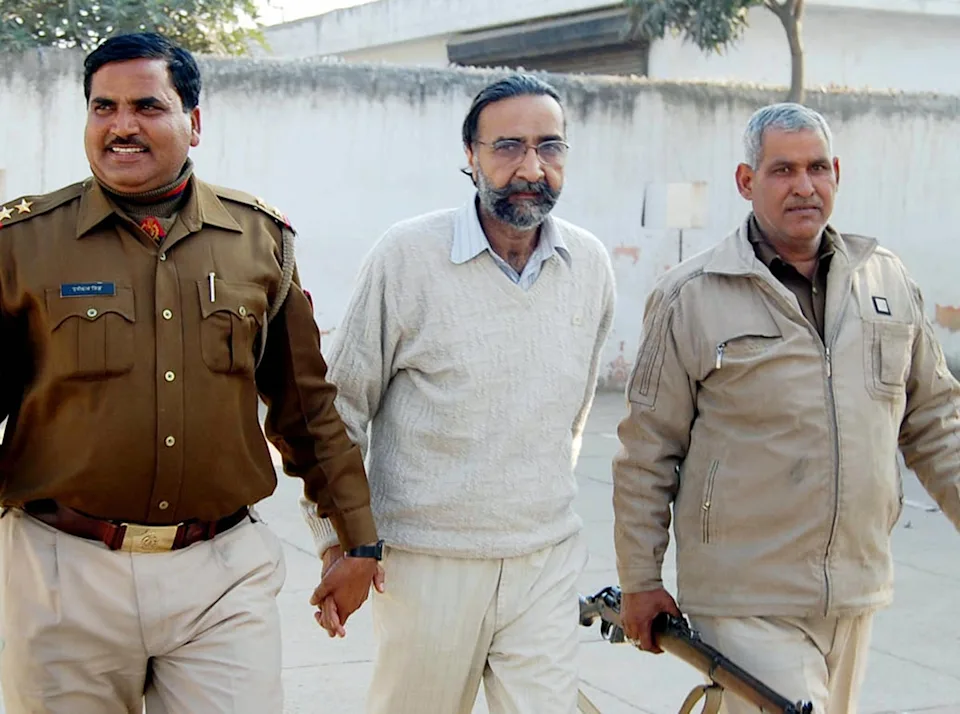
Noida – The families of children murdered in the Nithari killings expressed outrage on Tuesday after the Supreme Court acquitted Surendra Koli. They questioned how justice could prevail if both Koli and Moninder Singh Pandher, accused of the brutal crimes, now walk free.
Koli, who faced the death penalty in multiple cases, was acquitted in the only remaining one that upheld his life sentence. The Supreme Court said his conviction could not stand since he had already been cleared in 12 other connected cases based on the same evidence.
Families Express Anger and Pain
Outside their modest homes in Nithari, grief turned into fury. Parents of the slain children asked who would now be held accountable.
“We were shocked when Pandher was acquitted,” said one father. “He confessed before the police. If Koli isn’t guilty and Pandher isn’t guilty, then who killed our children? Were they jailed for nothing? Then those who framed them should face punishment. If not them, who did it?”
A mother echoed his anger. “Moninder and Surendra killed many children. Everyone knows that. They even trafficked organs. Now the court calls them innocent. The law may forgive them, but God never will,” she said, her voice breaking.
The Background of the Nithari Case
The Nithari killings shook the nation between 2005 and 2006. Police found skulls, bones, and human remains near the house of businessman Moninder Singh Pandher in Noida’s Sector-31, close to Nithari village. Koli, his domestic help, was accused of luring children, killing them, and disposing of their bodies.
Over the years, courts convicted both men in multiple cases. However, appeals overturned those convictions, citing lack of consistent evidence. Pandher was acquitted earlier, while Koli’s last pending life sentence now stands cancelled.
Supreme Court’s Rationale
A three-judge bench led by Chief Justice Bhushan R. Gavai, with Justices Surya Kant and Vikram Nath, delivered the verdict. Justice Nath said maintaining Koli’s conviction in one case while he was cleared in others based on identical facts would be “anomalous and unjust.”
The bench ordered Koli’s “immediate release if not wanted in any other case” and instructed the jail superintendent to act on the decision without delay.
Earlier, on October 7, the Supreme Court had hinted that denying Koli relief would amount to a “travesty of justice.” Koli’s lawyers, senior counsel Yug Mohit Chaudhary and advocate Payoshi Roy, argued that the same set of evidence could not produce opposite verdicts.
Demand for Accountability
Despite the legal reasoning, families feel betrayed. They say the judicial system has failed to give closure. “So many children were murdered, yet no one is guilty,” said another grieving parent. “If they are free, does that mean ghosts killed our kids?”
The Nithari case, one of India’s most gruesome crime stories, has once again stirred questions about justice, evidence, and the long wait of families still seeking answers.