US lawmakers urge Trump to push for lower indian tariffs on pulse crops
Washington – Two US Republican Senators have urged President Donald Trump to push India for lower tariffs on pulse crops in upcoming trade talks, highlighting the challenges faced by American farmers. Senators Steve Daines of Montana and Kevin Cramer of North Dakota, top pulse-producing states, warned that US exporters face a “significant competitive disadvantage” due to “unfair” Indian tariffs.
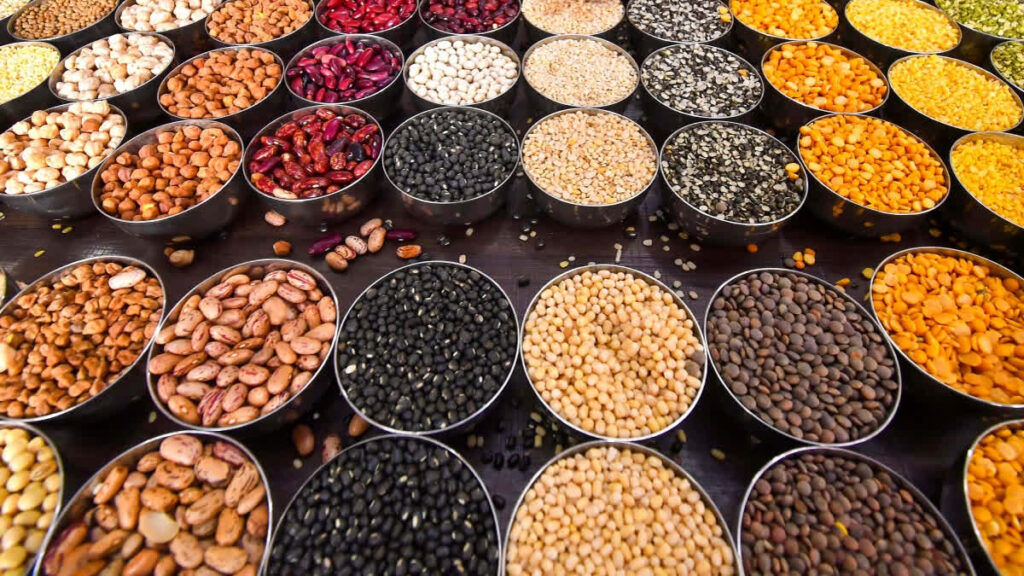
In a letter dated January 16, the Senators noted that India consumes about 27% of the world’s pulses, including lentils, chickpeas, dried beans, and peas. However, high import duties restrict US exports. They pointed out that India imposed a 30% tariff on yellow peas from November 1, 2025, further worsening market access for American producers.
“As a result of the unfair Indian tariffs, US pulse crop producers face a significant competitive disadvantage when exporting their high-quality product to India,” the letter said. The Senators urged Trump to prioritize pulse crop provisions in any future trade agreement, stressing the mutual benefits for both American farmers and Indian consumers.
Daines and Cramer also recalled their previous efforts during Trump’s first term. Ahead of the 2020 trade negotiations with India, they had raised concerns over similar tariffs. At that time, the President had personally delivered their letter to Prime Minister Narendra Modi, which helped bring US producers into the negotiating framework.
The Senators emphasized that American farmers possess the capacity to meet global demand if trade barriers are reduced. “As the United States looks to rebalance trade disparities, American farmers are ready to help fill the gap,” the letter said. They also thanked Trump for supporting agricultural producers in Montana and North Dakota, urging him to continue advocating for favorable trade terms.
The letter highlights that Indian tariffs on pulse crops became a bigger challenge after India lost its Generalized System of Preferences status in June 2019. Following that, additional duties were imposed, restricting US exports. Senators Daines and Cramer stressed that reducing these tariffs could increase US exports and strengthen economic ties between the two countries.
The Senators called on Trump to engage Modi directly on pulse crop tariffs, underlining the strategic and economic value of agricultural trade. They said lowering tariffs would not only benefit American farmers but also provide Indian consumers with access to high-quality products at competitive prices.
As trade talks between the US and India continue, the letter adds pressure on the administration to address the agricultural trade imbalance. Both Senators urged prompt action, framing the issue as both an economic opportunity and a matter of fairness for US pulse crop producers.
This move comes amid broader efforts to resolve longstanding trade disputes between the two nations while strengthening bilateral economic cooperation.