US grants 30-day waiver to India for Russian oil purchases amid rising global energy tensions
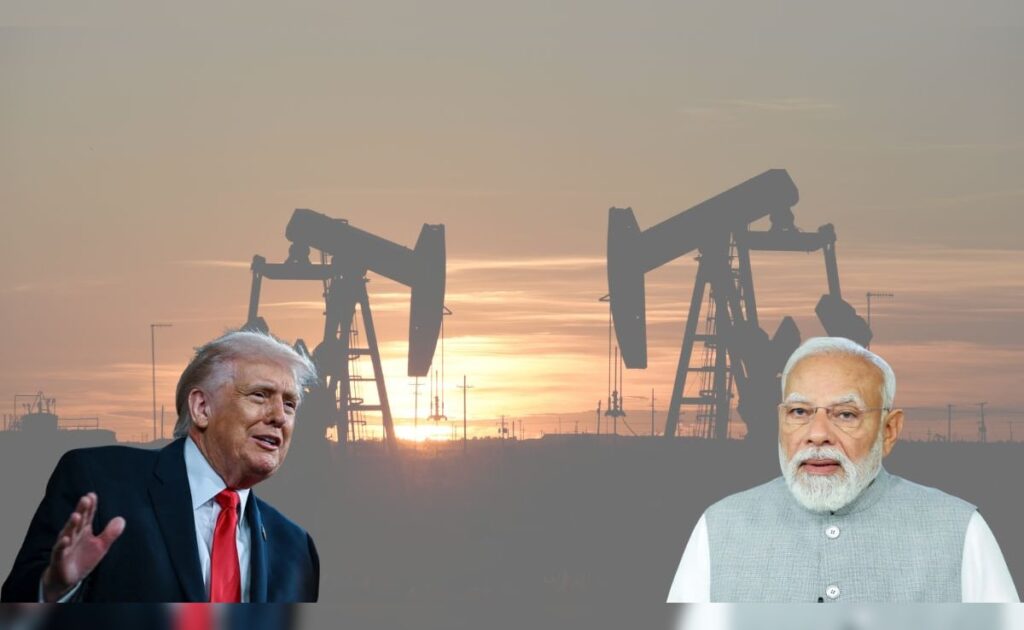
The United States has granted India a temporary 30-day waiver to continue purchasing Russian oil. The decision comes at a time of rising tensions in West Asia and growing concerns over global energy supply disruptions. Washington says the move aims to stabilise energy markets while maintaining pressure on Russia.
US Treasury Secretary Scott Bessent announced the decision on Friday through a post on social media platform X. He clarified that the waiver remains limited and temporary. According to him, the measure will not generate significant financial gains for Russia.
Bessent explained that the waiver only allows transactions involving Russian oil that already sits stranded at sea. Therefore, the decision does not permit fresh large-scale purchases that could significantly boost Russian revenues.
Energy market data supports that explanation. Reports indicate that around 9.5 million barrels of Russian oil floated in Asian waters last week. Tankers carried these cargoes before new restrictions took effect. The US waiver allows refineries to process such cargoes without violating sanctions rules.
However, the exemption includes strict conditions. It applies only to Russian petroleum products that vessels loaded before March 5. In addition, the permission will expire on April 4 at 12:01 a.m. Washington time.
Meanwhile, US officials linked the decision to rising geopolitical tensions in West Asia. The region currently faces instability due to escalating confrontation involving Iran and the US-Israel alliance. The conflict has raised concerns about potential disruptions to global oil supply.
Bessent said the temporary waiver helps reduce immediate pressure on global energy markets. He also accused Iran of attempting to use energy routes as leverage in the ongoing crisis. According to him, Washington wants to prevent sudden price shocks that could harm global economies.
At the same time, he emphasised the importance of the US-India partnership. He described India as an essential strategic partner for the United States. He also said Washington expects India to increase imports of American oil in the future.
The energy issue has gained urgency after recent developments around the Strait of Hormuz. Iran recently claimed it had closed the crucial maritime route. That announcement triggered widespread concern across global markets.
The Strait of Hormuz holds enormous strategic importance. The narrow waterway lies between Iran and Oman and connects the Persian Gulf with the Arabian Sea. Around 20 percent of the world’s oil and gas shipments pass through this route. Therefore, any disruption there could affect global fuel prices and supply chains.
Consequently, governments across the world have begun assessing their energy security. India has also reviewed its fuel reserves and preparedness. Union Petroleum Minister Hardeep Singh Puri recently informed Parliament about the country’s strategic reserves.
According to the minister, India currently holds enough strategic petroleum reserves to meet national demand for about 74 days. These reserves provide a buffer in case global supply disruptions affect imports.
Officials familiar with the situation also indicated that the West Asia conflict does not pose an immediate threat to India’s energy security. However, authorities continue to monitor developments closely.
The issue of Russian oil imports has already attracted global attention. Earlier, US officials suggested that India had committed to gradually reducing purchases of Russian crude. However, Indian authorities have not publicly confirmed such a commitment.
Meanwhile, Russia has dismissed speculation about a sharp decline in Indian imports. Russian officials have argued that energy trade between the two countries benefits both economies. They also say such trade contributes to stability in the global oil market.
The debate comes amid broader economic discussions between Washington and New Delhi. Recently, the United States reduced tariffs on certain Indian imports to 18 percent as part of efforts to strengthen bilateral trade ties.
Against this backdrop, the temporary waiver reflects a balancing act. Washington seeks to manage geopolitical tensions, maintain energy stability, and strengthen cooperation with India at the same time.