
Rupee slides past 93 mark, pressure builds amid strong Dollar and oil surge
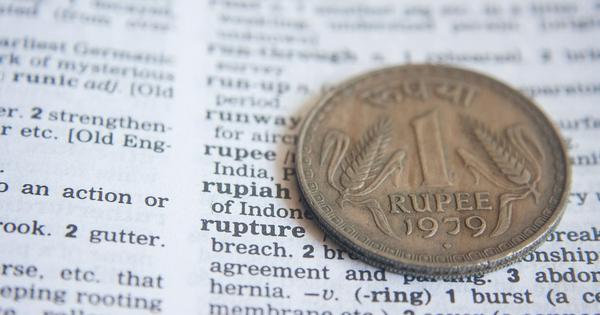
Mumbai -The Indian rupee dropped sharply on Friday. It crossed the 93 mark against the US dollar for the first time. The fall signals rising pressure on the currency. A strong US Dollar and global uncertainty drove the decline. As a result, investors moved toward safer assets.
Early in the session, the rupee touched 93.15 per dollar. It extended losses from previous days. Meanwhile, geopolitical tensions continued to rise. In addition, crude oil prices moved higher. These factors together weakened the rupee further.
At the same time, global investors showed caution. They reduced exposure to emerging markets like India. Consequently, funds shifted toward safer options such as the dollar. This shift increased demand for the US currency. As demand rose, the rupee lost more ground.
Moreover, rising oil prices added direct pressure. India imports a large share of its crude oil needs. Therefore, higher oil prices increase the country’s import bill. This trend widens the current account gap. As a result, the rupee faces more downward pressure.
In parallel, foreign investors continued to pull money out of Indian equities. Market participants tracked steady outflows from global funds. These outflows reduced liquidity in domestic markets. They also weakened investor confidence in the short term.
Meanwhile, the US Federal Reserve maintained a cautious stance. It signalled limited scope for rate cuts. This approach kept global liquidity tight. Consequently, the dollar stayed strong against most currencies, including the rupee.
Ground Angle: Rising Costs Begin to Worry Consumers and Businesses
On the ground, the impact has started to show. Importers now face higher costs for fuel and raw materials. Transport companies watch fuel prices closely. Any rise directly affects operating expenses. Businesses may pass on these costs to consumers.
At the same time, households may feel the pressure soon. Higher fuel prices can push up daily expenses. Prices of goods that depend on imports may also rise. Therefore, inflation risks could increase in the coming weeks.
Small businesses remain cautious. They track currency movements daily. Many adjust pricing strategies to manage costs. However, sudden volatility makes planning difficult.
Background: Global Signals Drive Currency Weakness
The rupee’s fall reflects broader global trends. Investors often move to the dollar during uncertainty. This pattern strengthens the US currency. It also weakens emerging market currencies.
In addition, central banks play a key role. When the US Federal Reserve keeps interest rates higher, global funds prefer US assets. This shift reduces flows into markets like India.
At the same time, oil prices influence the rupee directly. Any sharp rise increases import costs for India. This factor often leads to currency depreciation.
Looking ahead, traders will track oil prices closely. They will also watch global risk sentiment. In addition, markets expect signals from the Reserve Bank of India. The central bank may step in if volatility rises further.
For now, the rupee remains under pressure. However, market direction will depend on global cues and policy response in the coming days.