
RBI cuts repo rate to 5.25% as Rupee slides to record low
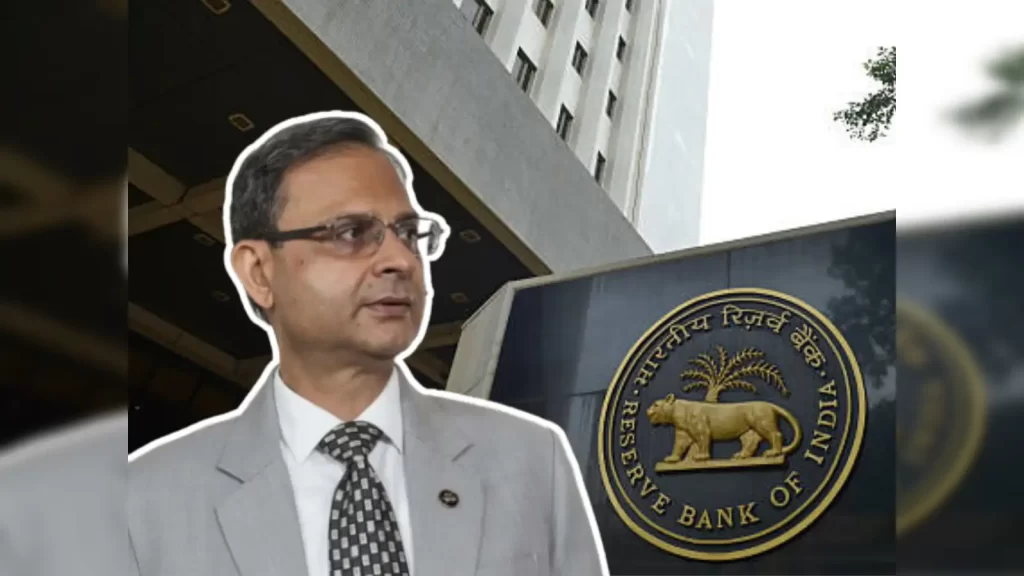
The Reserve Bank of India cut the repo rate by 25 basis points on Friday and brought it down to 5.25%. The central bank moved ahead with this step even as the rupee touched a record low and the economy continued to grow at a strong pace. The Monetary Policy Committee met from December 3 to 5 and weighed falling inflation against a weakening currency and rising global uncertainty.
The backdrop shaped the tone of the decision. Inflation remained well below the RBI’s 4% target, and this opened space for easier monetary policy. Growth stayed strong as India continued to expand at above 8%. Yet the rupee slipped sharply and breached 90 per dollar during the week. This volatility created a tricky balance for policymakers.
Most economists expected the central bank to cut the repo rate. In a Bloomberg survey, 44 economists gave their views, and the majority predicted a 25-basis-point reduction. But global brokerage houses and major banks, including Citigroup, Standard Chartered and State Bank of India, argued that the RBI might hold rates steady. They pointed to the weak rupee and the risk of fresh external shocks.
Governor Sanjay Malhotra hinted at rate cuts last month when he said there was “definitely scope” to bring the benchmark rate down. But new data since then showed a resilient economy despite heavy US tariffs. At the same time, the rupee suffered a sharp decline. These factors blurred the outlook and forced investors to reassess their expectations. Many analysts began to predict a long pause rather than an immediate cut.
The RBI, however, chose to support growth while signalling caution for the months ahead. The central bank kept its stance neutral and stressed that future decisions would depend on data trends. It also revised its GDP forecast and inflation outlook. Policymakers now expect India to grow at 7.3% in the current financial year, higher than the earlier estimate of 6.8%. They also cut the FY26 inflation projection to 2%, down from 2.6%, suggesting confidence in price stability.
The Indian currency dominated conversations around the policy. The RBI defended the rupee aggressively in recent months, but this week it allowed the currency to weaken past the symbolic 90 mark. Uncertainty around the India-US trade agreement added pressure. With global markets shifting rapidly, the central bank had to balance currency stability with domestic growth needs.
Financial experts offered their interpretations. Soumya Kanti Ghosh from SBI and a member of the Prime Minister’s Economic Advisory Council said the expectations for rate cuts had faded before the announcement. He argued that the central bank was entering a long pause. However, Friday’s cut suggested the RBI wanted to stay ahead of economic headwinds.
Going forward, the central bank faces a complex environment. It must support growth, anchor inflation and stabilise the rupee. Friday’s rate cut shows the RBI’s intent to protect momentum in the economy while navigating global volatility. The next few months will test how well the central bank balances these competing pressures.