Oil surges above $103 as Iran confirms top official’s death, war tensions spike
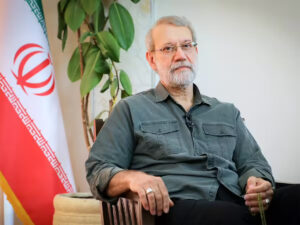
Global oil prices jumped sharply as tensions escalated in the Middle East. Brent crude crossed $103 per barrel. Markets reacted instantly after Iran confirmed the death of Ali Larijani.
Iran responded with force. It launched missiles with cluster warheads toward Israel. Officials said the strike avenged Larijani’s killing. Tehran also confirmed the deaths of Mortaza Larijani and Alireza Bayat in the same attack. This escalation has intensified the ongoing conflict.
Earlier, Israeli defence minister Israel Katz announced a major overnight operation. He claimed Israeli forces eliminated Larijani. He also said the strike killed Gholam Reza Soleimani, who led Iran’s Basij paramilitary unit. These developments sharply raised regional tensions.
Meanwhile, Donald Trump reacted strongly. He said Iran’s leadership had weakened. He described the group as dangerous. His remarks added to the already charged geopolitical climate.
At the same time, the United States expanded its military action. United States Central Command confirmed strikes on Iranian missile sites near the Strait of Hormuz. It used heavy bunker-buster munitions to hit the targets. Officials said these missiles threatened global shipping routes.
On the ground, concerns grew around nuclear safety. International Atomic Energy Agency reported that a projectile struck Iran’s Bushehr nuclear facility. Iran shared this information with the agency. The incident raised fears of wider risks in the conflict zone.
Despite the tension, India managed a safe maritime operation. The Indian-flagged LPG tanker Nanda Devi reached Kandla port in Gujarat early Tuesday. Another vessel, Shivalik, arrived a day earlier at Mundra port. Together, the ships carried nearly a day’s supply of cooking gas for India.
Furthermore, authorities continue rescue efforts. Ministry of Ports, Shipping and Waterways said 22 Indian vessels remain in the Strait of Hormuz. Around 611 seafarers are still onboard. The Directorate General of Shipping is closely tracking their movement and coordinating safe passage.
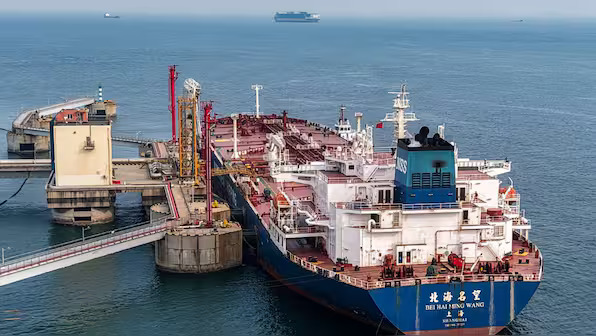
As a result of the conflict, global oil markets turned volatile. US benchmark crude also climbed. Prices moved close to $96 per barrel after a sharp daily rise. Traders reacted to supply risks in the Gulf region. The Strait of Hormuz remains a critical oil route, and any disruption impacts global supply chains.
Back in the US, internal tensions surfaced. Joe Kent resigned from his post. He had advised the administration on terror threats. Kent argued that Iran posed no immediate danger to the US. He also claimed that external pressure pushed Washington into the conflict.
However, Trump dismissed Kent’s remarks. He supported the resignation and questioned Kent’s stance on security. This exchange highlighted divisions within the US leadership during the crisis.
Meanwhile, Israel widened its military operations. Strikes hit central Beirut and southern suburbs without prior warning. Reports said one attack targeted a residential apartment in Zuqaq al-Blat. The location had links to a financial network associated with Hezbollah.
Overall, the conflict continues to expand across multiple fronts. Each new strike adds pressure on global markets and security systems. As tensions rise, oil prices reflect the growing uncertainty. The world now watches closely as the situation develops further.