More trouble for India? Trump-backed push signals steep U.S. tariffs over Russian oil
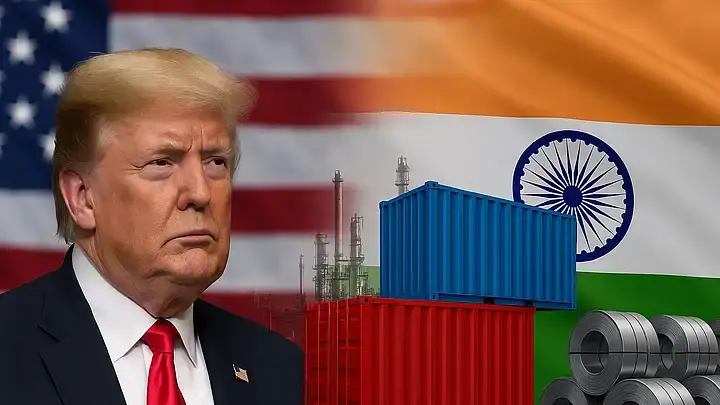
Washington raises the temperature again. President Donald Trump now drives a fresh sanctions push that could reshape global trade. The plan targets countries that continue to buy Russian oil. And it signals sharp consequences for India, China, and several others that rely on discounted crude.
Republican Senator Lindsey Graham announced the development after a meeting with the President. Graham said Trump cleared a bipartisan bill that threatens tariffs of up to 500 percent. The bill also targets countries that continue to buy Russian uranium. According to Graham, the move gives Trump “tremendous leverage.” It also encourages countries to cut financial flows that support Russia’s war effort in Ukraine.
Meanwhile, the White House leans toward tariffs over broader sanctions. Leaders in Congress hold off on an immediate vote. They now weigh a path that lets Trump act quickly with duties on goods from major buyers of Russian oil. Therefore, markets brace for uncertainty. Indian exporters also track the signals carefully.
In recent years, Trump pushed hard on tariffs. He introduced a 25 percent reciprocal duty on Indian goods. Then he added another 25 percent over oil purchases from Russia. As a result, total duties on some products reached 50 percent. The decision strained the relationship between New Delhi and Washington. It also triggered worries among Indian manufacturers, farmers, and small traders.
Relations between the United States and China also turned colder. Washington raised duties on several Chinese imports to 145 percent. Beijing hit back with its own tariffs that reached 125 percent. Consequently, both economies dug into a costly trade standoff. Global supply chains felt the turbulence.
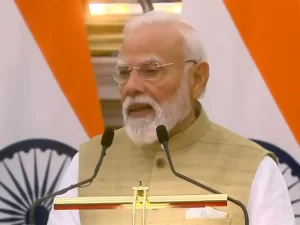
Now Trump again signals pressure on India. He recently told reporters that Prime Minister Narendra Modi understands his displeasure. Trump praised Modi personally. However, he also warned that the United States can raise tariffs very quickly. He even pointed to Indian rice after American farmers complained about cheap imports. The message sounded clear: trade cooperation depends on U.S. satisfaction over Russia policy.
Talks between India and the United States remain stuck. Negotiators disagree on agricultural access and tariff relief. Washington wants lower barriers for American farm products. New Delhi refuses to open sensitive sectors that protect millions of families. Indian officials argue that the country needs stability for farmers and dairy workers. Therefore, both sides wait for a breakthrough that never arrives.
At the same time, India keeps buying Russian crude. The discounts help manage inflation. They also secure energy supplies in a volatile world. Yet the political cost grows. A sweeping U.S. tariff plan could hurt exporters, raise prices, and complicate long-term partnerships.
For now, everything hinges on timing. If Congress moves forward, Trump gains stronger tools. If India negotiates space, both sides may avoid a deeper clash. Either way, the next few weeks carry high stakes. And the outcome could redefine India’s trade strategy, its energy choices, and its ties with Washington going forward.