‘Modi didn’t call’: Howard Lutnick reveals why India-US trade deal fell apart
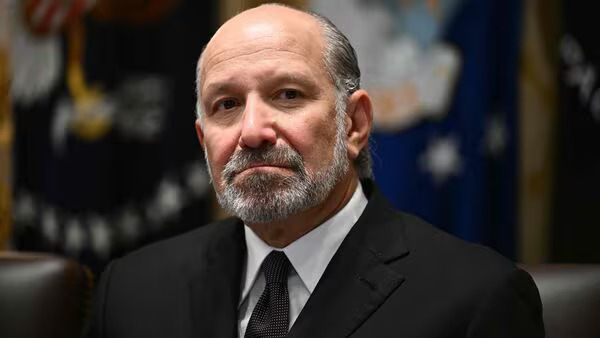
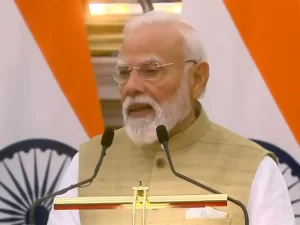
The India-US trade talks collapsed at a critical moment. US Commerce Secretary Howard Lutnick has now explained why. He said Prime Minister Narendra Modi did not call US President Donald Trump after negotiators set up the deal. As a result, Washington later changed its position.
Lutnick shared this account during an interview on the All-In podcast on January 9. His remarks offer rare insight into the final phase of the negotiations. According to him, India and the US had already reached an understanding. However, events shifted soon after.
First, Lutnick described his role in the talks. He said he negotiated the contracts and structured the agreement. He added that President Trump closed every deal personally. Therefore, he said, a direct call from Prime Minister Modi became essential.
Lutnick said he urged Indian negotiators to arrange that call. He said the deal stood ready. He said only one step remained. However, he claimed Indian officials felt uncomfortable. As a result, Modi did not call Trump. Lutnick said that delay proved costly.
Later, Indian negotiators returned to reopen talks. By then, conditions had changed. Lutnick said Washington no longer offered the earlier terms. He stressed that timing mattered in Trump’s deal-making approach.
Meanwhile, Lutnick placed the India talks within a wider global context. He explained Trump’s negotiation style. He compared it to a staircase. According to him, the first country to strike a deal receives the best terms. Each deal after that comes at a higher step and cost.
He cited the United Kingdom as an example. He said the UK moved quickly. It accepted deadlines. As a result, it secured the most favorable deal. After that, other countries rushed in. However, none received identical terms.
Next, Lutnick said India had a clear window. He said the US gave India three Fridays to close the agreement. He also said Trump publicly mentioned India as a likely next partner. Therefore, he rejected claims of secrecy or surprise.
However, he said India missed the moment. He said other countries stepped in. Indonesia, the Philippines, and Vietnam finalised deals soon after. Each agreement pushed the staircase higher. Consequently, India slipped further back in line.
Then, Lutnick recalled India’s return to the table. He said Indian officials came back weeks later. They said they felt ready. Lutnick responded bluntly. He asked if they expected terms from a train that had already left the station.
In addition, Lutnick’s comments came amid rising trade tensions. A day earlier, Senator Lindsey Graham said Trump had approved a Russia sanctions bill. The bill threatens 500 percent tariffs on countries buying Russian oil. India remains among them.
Already, the US has imposed tariffs of up to 50 percent on Indian exports. These duties have hit trade flows. They have also affected investor sentiment. Lutnick hinted that the failed deal worsened India’s position.
He said India ended up on the wrong side of the balance. He said delays hurt momentum. He said other nations acted faster and secured better outcomes.
Finally, Lutnick made one point clear. He said preparation alone does not close deals. He said leadership-level engagement matters. In Trump’s system, he said, speed and timing decide outcomes.
For now, the episode highlights a missed opportunity. It also shows how high-level diplomacy can shape global trade deals in decisive ways.