India steps up rare earth magnet drive, trims China edge: Report
India is preparing a major expansion in rare earth magnet manufacturing to reduce dependence on China. The government plans to nearly triple its incentive programme to over ₹70 billion ($788 million), Bloomberg reported. The proposal aims to boost domestic production of critical materials used in electric vehicles, renewable energy, and defence.
Officials said the new plan marks a big jump from the earlier $290 million scheme. The proposal awaits Cabinet approval, and the final amount could still change. The goal is clear — strengthen India’s role in a supply chain long dominated by Beijing.
Racing to Reduce China’s Grip
China processes about 90% of global rare earth output. Its recent export restrictions have disrupted global automakers and electronics producers. Countries are now scrambling to secure alternate sources. India’s move fits that global trend.
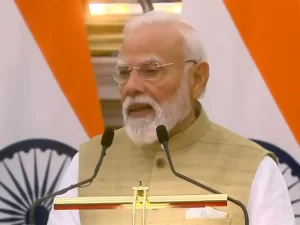
Earlier this year, Prime Minister Narendra Modi warned that critical minerals must not be “weaponised.” He urged nations to build stable, diversified supply chains. The rare earth expansion is part of that strategy. Yet India faces obstacles — limited technical know-how, slow project execution, and high initial costs.
Building Domestic Strength
The government plans to support at least five companies with a mix of production-linked incentives and capital subsidies. The scheme hopes to draw both Indian and foreign investors. Without state aid, domestic production remains unviable.
State-run firms have already begun exploring overseas mining partnerships to secure raw materials. But India still trails in refining and advanced processing — areas where China dominates.
Bloomberg noted that China recently issued its first import licences for rare earth magnets into India. However, no Indian-origin companies have received permits so far. The Ministry of Heavy Industries has not commented.
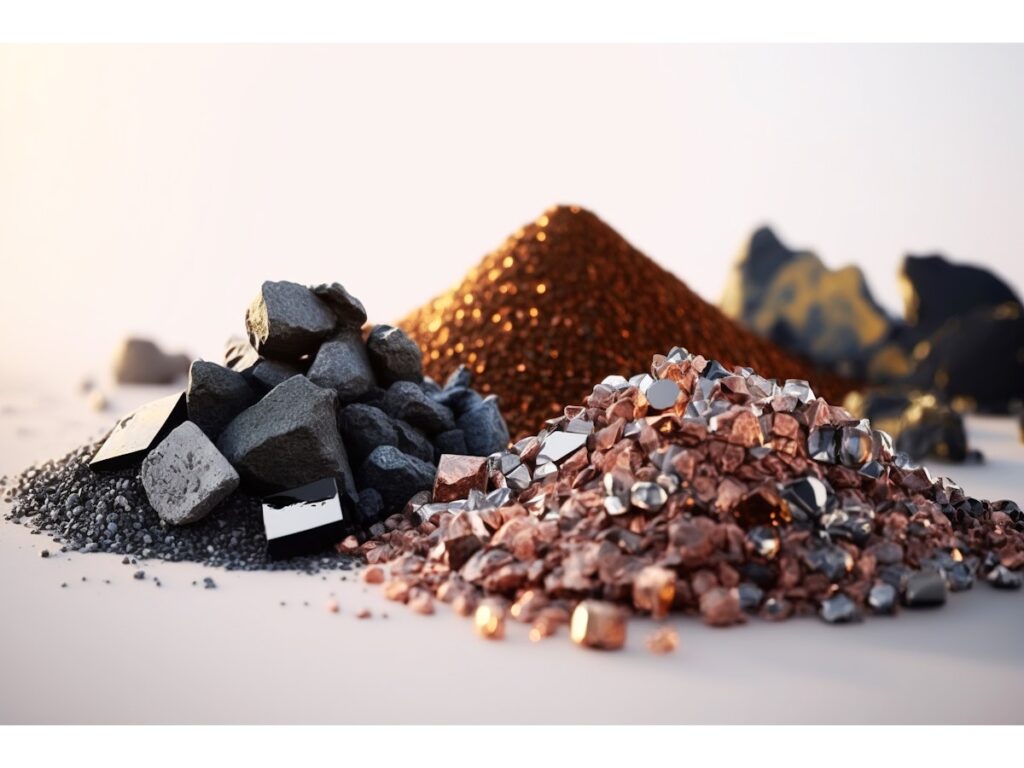
China continues to lead in key rare earths like neodymium, praseodymium, dysprosium, and terbium. These elements are crucial for high-performance magnets but pose environmental risks due to associated radioactive materials.
To bridge this gap, India is promoting new technologies and research. The government is funding studies on synchronous reluctance motors, which may reduce the need for rare earth materials entirely.
Drawing Global Investors
Global suppliers are watching closely. India’s annual demand for rare earth oxides stands near 2,000 tonnes — a modest volume by global standards but a strong start. Officials expect the expanded scheme to lure top international magnet makers to form local ventures.
The plan could weaken China’s pricing influence and help India develop a strategic domestic base. But experts warn that challenges remain. If China relaxes export curbs for other regions, cheaper magnets could again flood the market, discouraging new investments in India.
Despite uncertainties, the initiative signals India’s determination to secure critical minerals for future industries. The ₹70 billion boost could mark the start of a long-term shift toward self-reliance in rare earth materials — a cornerstone for electric mobility, renewable energy, and defence growth in the decade ahead.