
India raises excise duty on tobacco, cigarettes set to cost more from February 1
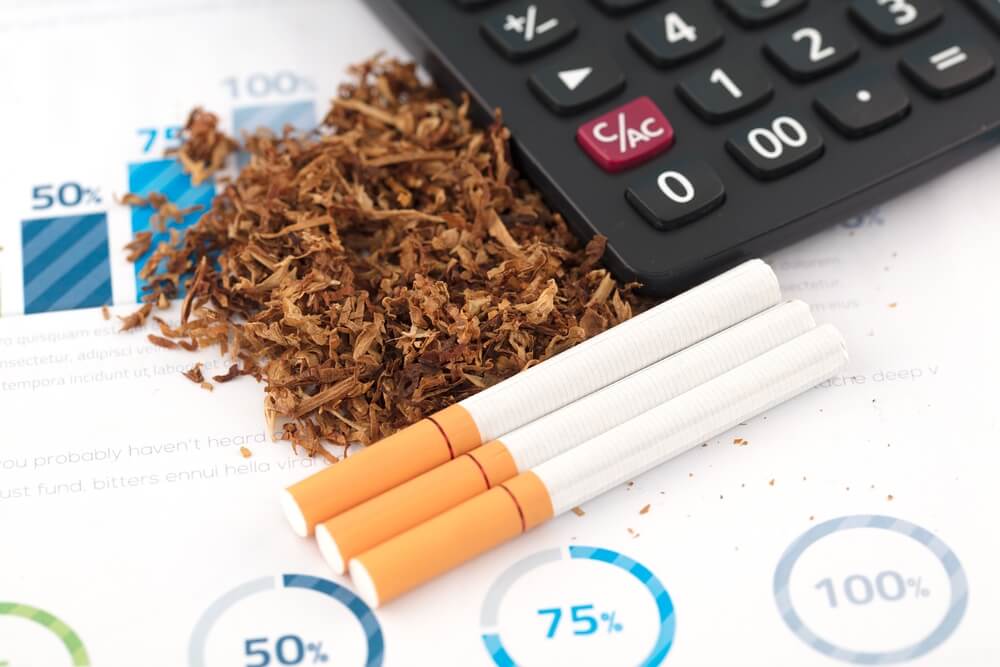
India started the year with a tough message on tobacco. The government raised excise duty on several tobacco products. The move covers cigarettes, chewing tobacco, gutkha, and scented tobacco. The new rates take effect on February 1, 2026. The finance ministry issued final rules late on Wednesday. Officials said the plan aims to curb use and strengthen revenue.
Now cigarette buyers face higher prices. The duty ranges from ₹2,050 to ₹8,500 for every 1,000 sticks. The rate depends on the length of the cigarette. Longer sticks draw higher duty. Shorter sticks face lower duty. However, every segment turns costlier from next month. Retailers and distributors have begun reviewing price lists.
Meanwhile, stock markets reacted quickly. Shares of ITC and Godfrey Phillips declined. Investors read the decision as a margin risk. ITC slipped over 2% during the session. Godfrey Phillips fell more than 4%. The Nifty FMCG index also weakened. Traders expect near-term pressure on cigarette volumes. Yet analysts also note strong brand loyalty in this sector.
The broader tax picture now looks clearer. India already levies 40% GST on cigarettes and most tobacco products. The government removed the earlier compensation cess. In its place, the new framework introduces extra excise duty. The structure also adds a Health and National Security Cess on pan masala. From February 1, the system becomes uniform across categories.
However, bidis face a different rate. The GST on bidis stands at 18%. Policymakers cite economic sensitivity in bidi-producing regions. Still, additional excise covers several other tobacco items. The finance ministry argues the mix balances health goals and economic realities.
Parliament cleared the key bills in December. Lawmakers approved authority for the new cess and excise duty. The government then completed notifications and timelines. Now ministries coordinate enforcement and collection. State authorities also prepare compliance systems.
Public-health experts welcomed the step. They connect higher taxes with lower consumption. Doctors warn that India holds one of the world’s largest populations of tobacco users. Roughly 10 crore smokers face higher costs now. Many experts urge counseling and cessation support alongside taxation. They argue that tax alone cannot solve addiction.
Industry voices offer a different view. Companies highlight concerns around illegal trade. They claim sharp price hikes encourage smuggling. They also warn about job risks in supply chains. However, consumer-rights groups counter these arguments. They say health costs far exceed any commercial impact.
Meanwhile, households weigh choices. Some smokers plan to cut back. Others shift to cheaper alternatives. Health officials push awareness campaigns to guide decisions. Schools and community clinics plan outreach drives through February.
In the bigger picture, India continues a long effort to regulate tobacco. The country raised warning labels earlier. Cities also increased smoke-free zones. Now taxation adds one more layer.
In the coming weeks, buyers will see price boards change. Retailers will update inventory. Companies will recalibrate strategy. Yet the signal remains clear. The government wants fewer people lighting up, and it wants stronger revenue to fund national priorities.