LPG prices rise across India as West Asia conflict pushes global energy costs higher
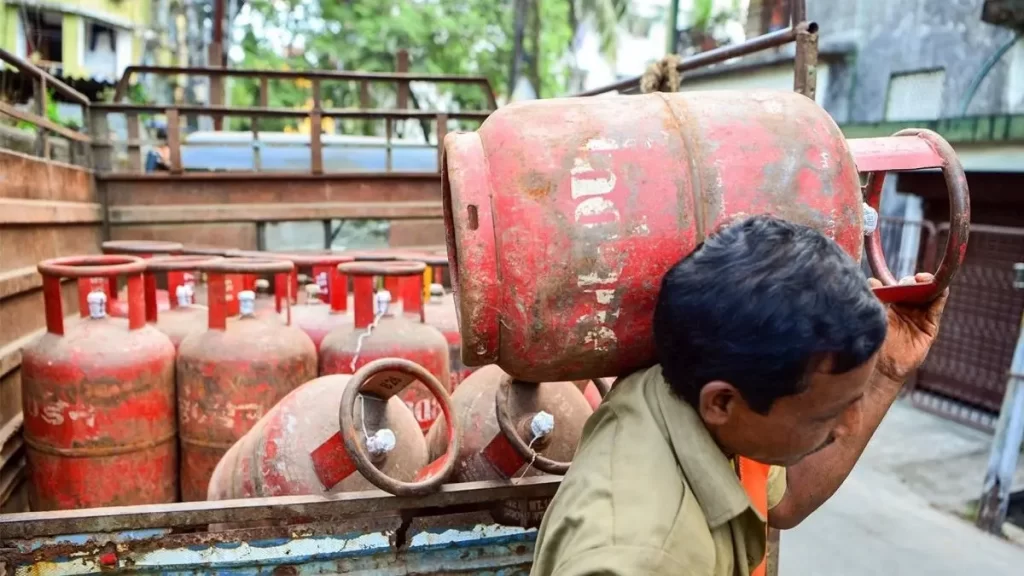
Domestic cooking gas prices have increased across India after a fresh revision on March 7. A 14.2-kg household LPG cylinder now costs ₹60 more. At the same time, the price of a 19-kg commercial LPG cylinder has risen by about ₹115. Officials link the increase to rising global energy prices amid the ongoing conflict in West Asia.
According to Indian Oil Corporation, the price of a non-subsidised domestic LPG cylinder in Delhi has increased from ₹853 to ₹913. Similar price changes have appeared in other major cities across the country.
For instance, consumers in Mumbai now pay around ₹912.50 for a domestic LPG cylinder. Meanwhile, residents in Kolkata face a price of about ₹939 per cylinder. In Chennai, the revised rate stands at roughly ₹928.50.
Industry officials say global market conditions have driven the latest revision. Tensions and military activity in West Asia have pushed crude oil and gas prices higher. Since the region plays a key role in global energy supply chains, disruptions there quickly influence prices in countries that rely on imports.
However, officials also stress that LPG prices in India still remain lower than those in several neighbouring countries. They argue that government policies and subsidies continue to cushion the impact on domestic consumers.
This increase marks the second revision in household LPG prices within a year. The previous increase came in April 2025, when authorities raised the price of a domestic cylinder by ₹50. Final retail prices vary slightly between states because of local taxes and value-added tax rates.
At the same time, the government continues to support low-income households through the Pradhan Mantri Ujjwala Yojana. Beneficiaries under this programme receive a subsidy of ₹300 per 14.2-kg cylinder. The subsidy applies to up to 12 refills each year. The scheme currently covers more than 10 crore households across India.
Meanwhile, commercial users have felt an even stronger impact. Restaurants, hotels and food businesses rely heavily on commercial LPG cylinders. The latest price revision has raised their operating costs.
In Delhi, the price of a 19-kg commercial cylinder has increased from ₹1,768.50 to ₹1,883. In Mumbai, businesses now pay around ₹1,835 per cylinder. In Kolkata, the price has climbed to nearly ₹1,990, while establishments in Chennai pay about ₹2,043.50.
Commercial LPG prices have already increased sharply during the year. Overall, prices have risen by more than ₹300 since January, according to industry estimates.
Global tensions have also affected shipping routes for energy supplies. In particular, concerns have grown around the safety of tanker traffic passing through the Strait of Hormuz. This narrow waterway carries a large share of the world’s oil and gas exports.
India depends heavily on this route. Nearly half of the country’s crude oil and LPG imports travel through the Strait of Hormuz. As geopolitical tensions rise, markets worry about disruptions to tanker movement and insurance coverage for ships.
Despite these challenges, the government has assured consumers that India faces no immediate shortage of fuel. Petroleum and Natural Gas Minister Hardeep Singh Puri said energy supplies remain stable across the country.
He stated that the government continues to ensure affordable and sustainable fuel for citizens. He also urged people not to believe rumours about shortages of petrol, diesel or LPG.
Energy companies echoed the same message. Indian Oil confirmed that the country holds sufficient fuel stocks and that supply networks continue to operate normally.
Government sources say India currently holds energy reserves that can last around 50 days. These reserves include roughly 25 days of crude oil and another 25 days of refined petroleum products.
At the same time, officials continue to diversify import sources. India has increased energy imports from countries such as Russia and the United States in recent years. Authorities also continue to explore additional suppliers to secure crude oil, LPG and LNG as tensions in West Asia evolve.