Who would lead Iran after Khamenei? Rubio says no clear successor amid rising US-Iran tension
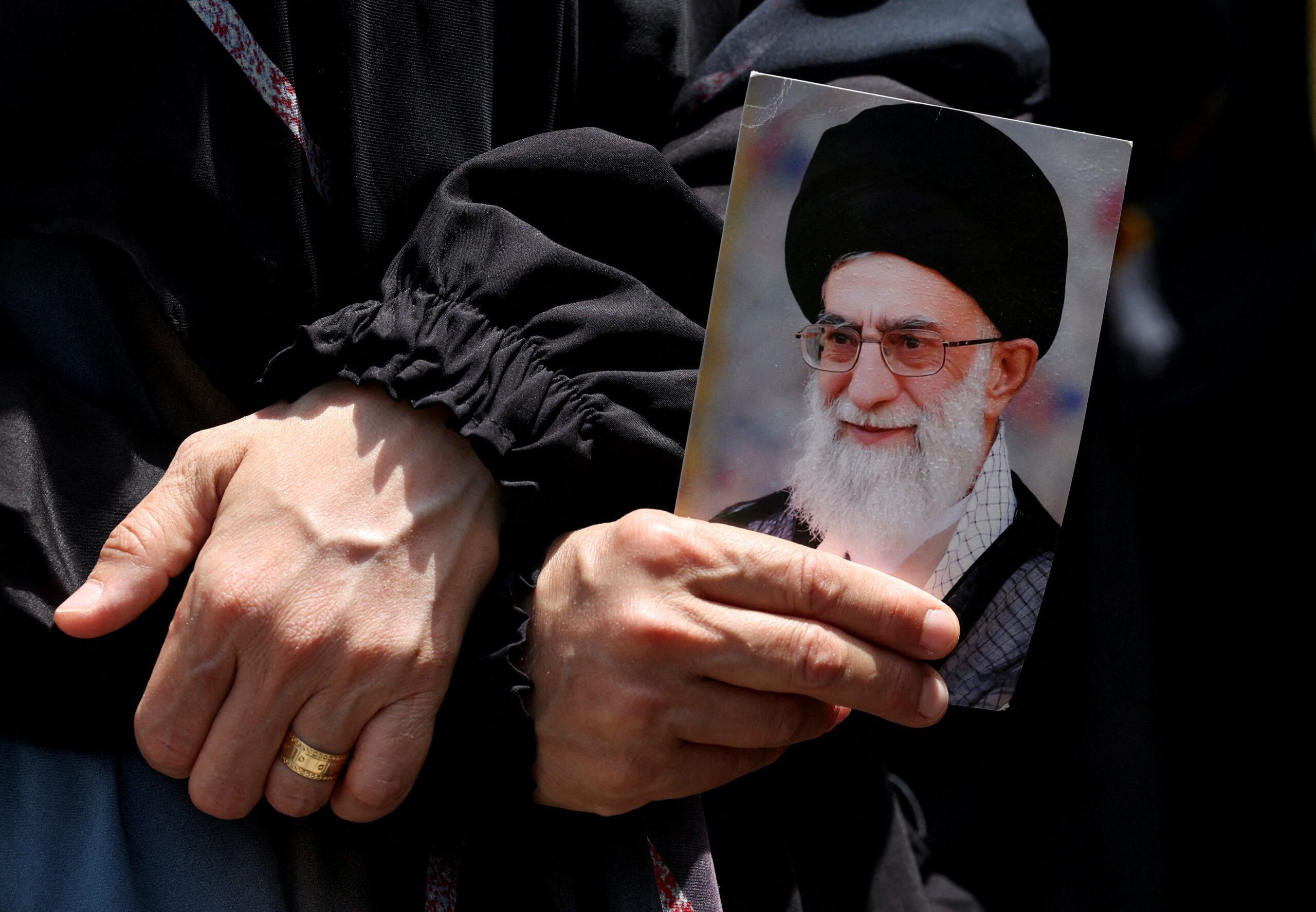
U.S. Secretary of State Marco Rubio told senators on Wednesday that no clear successor exists if Iran’s Supreme Leader, Ayatollah Ali Khamenei, fell from power. Rubio said forcing regime change in Iran would pose a far bigger challenge than recent events in Venezuela, where the U.S. oversaw the removal of Nicolás Maduro.
He stressed that Iran’s political system blends clerical authority and military influence, making any transition unpredictable and complex. No one can confidently name who would step in if the regime collapsed.
Rubio spoke at a Senate Foreign Relations Committee hearing focused largely on U.S. interests in Venezuela and the Middle East. He explained that Iran’s leadership structure ties the supreme leader closely to the Islamic Revolutionary Guard Corps and other powerful institutions. Before any leadership change, he said, policymakers would need deep strategic thought and careful planning.
Rubio also linked Tehran’s internal protests to the unclear succession picture. He noted that recent civil unrest and economic strain have weakened Iran, yet the absence of an obvious replacement for Khamenei complicates U.S. policy. He cautioned that U.S. actions must consider this uncertainty to avoid worsened instability.
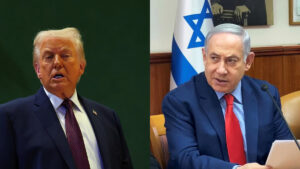
The comments came against a backdrop of rising U.S.–Iran tensions over Tehran’s nuclear program. President Donald Trump has deployed a large U.S. naval force toward the region and warned Iran that time is running out to agree to limits on nuclear weapons development. Trump told Tehran to return to talks and negotiate a deal that bans nuclear arms. He said if Iran refuses, military pressure remains an option.
Trump’s recent statements emphasize urgency and potential force. He described this naval deployment, led by the USS Abraham Lincoln carrier group, as a demonstration of U.S. strength. Trump repeatedly stressed that if Iran dodges negotiations, the next U.S. response could be “far worse” than earlier action against Iranian nuclear sites.
Iran has rejected negotiations under threats. Tehran’s foreign ministry spokesman said genuine dialogue cannot occur amid military pressure. Iranian officials also warned of strong retaliation if the U.S. initiates military action, suggesting any strike could spark a broader conflict.
Rubio stressed that the U.S. presence in the Middle East serves defensive purposes amid threats. He highlighted that tens of thousands of American troops in the region remain within range of Iranian missiles or drones. He said the U.S. seeks to protect its forces and allies, but he also said he hoped direct conflict could be avoided.
Rubio’s remarks underline the U.S. dilemma: heightened pressure on Iran’s nuclear ambitions complicates planning for political outcomes inside Tehran. Without a clear path for leadership transition, any push for regime change carries risks and uncertainties. Policymakers must balance deterrence, diplomacy, and contingency planning while engaging with complex regional dynamics.