India-EU Trade Pact signals pushback against tariffs, backs open global trade
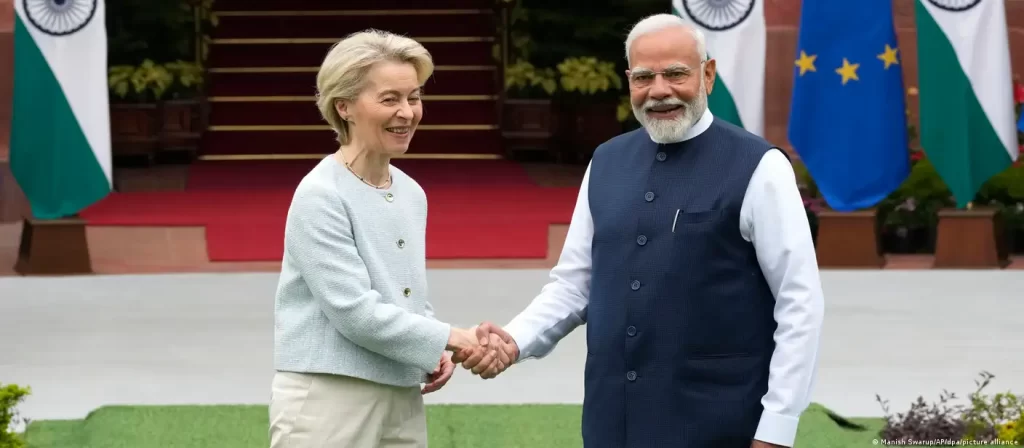
India and the European Union have completed negotiations for a long-awaited free trade agreement. The proposed pact aims to deepen economic ties and expand two-way trade between two major global economies. Officials from both sides describe the deal as balanced, future-ready, and politically significant.
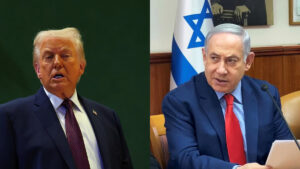
The announcement is likely today. Importantly, leaders frame the agreement as a clear response to rising tariffs and growing protectionism worldwide. These trends have intensified amid policy uncertainty under US President Donald Trump.
European Council President Antonio Costa underlined this message during his India visit. He spoke on the sidelines of the Republic Day celebrations, where he attended as chief guest alongside European Commission President Ursula von der Leyen. Costa said the pact sends a strong signal against tariff-driven trade barriers.
According to Costa, the global order now faces fragmentation. Therefore, he stressed the need for closer India-EU cooperation. He said both sides can jointly act as anchors of stability and reliability. Moreover, he highlighted their shared commitment to a rules-based international trade system.
In this context, the trade deal carries geopolitical weight. Costa called it a stabilising force at a time when several countries raise tariffs and retreat inward. He added that India and the EU believe more in trade agreements than in tariffs. As a result, the pact showcases an alternative path for global commerce.
Notably, the European Union already stands as India’s largest trading partner. Bilateral goods trade reached USD 136.53 billion in 2024-25. Indian exports accounted for USD 75.85 billion, while imports touched USD 60.68 billion. In addition, services trade totalled USD 83.10 billion in 2024.
However, tariff barriers still shape this relationship. At present, EU tariffs on Indian goods average around 3.8 per cent. Yet labour-intensive products face duties close to 10 per cent. On the other side, India’s weighted average duty on EU goods stands near 9.3 per cent. Automobiles and auto parts attract the steepest rate at 35.5 per cent. Plastics, chemicals, and pharmaceuticals also face relatively high duties.
Against this backdrop, the free trade agreement promises significant change. Once signed later this year, it could allow duty-free access for several goods. These include textiles, chemicals, gems and jewellery, electrical machinery, leather, and footwear. Many of these sectors rely heavily on labour and exports.
Meanwhile, global trade conditions remain volatile. Trump’s aggressive tariff posture has unsettled financial markets and disrupted supply chains. Consequently, businesses face higher costs and uncertain demand. In such a climate, predictable trade partnerships gain importance.
Therefore, analysts view the India-EU FTA as a timely intervention. It supports diversification of trade routes and reduces over-dependence on any single market. At the same time, it reinforces confidence in multilateral cooperation.
In conclusion, the India-EU trade pact goes beyond economics. It sends a clear political message in favour of openness and cooperation. As protectionist pressures rise elsewhere, India and the EU position their partnership as a counterweight. Through this agreement, both sides seek to shape a more stable and rules-driven global trade order.