Supreme Court denies bail to Umar Khalid, Sharjeel Imam in Delhi riots case; 5 others get relief
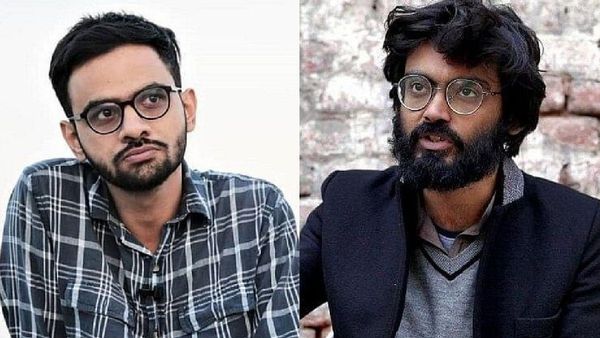
New Delhi – The Supreme Court refused bail to activists Umar Khalid and Sharjeel Imam on Monday. The top court cited national security and public order as overriding concerns. Judges Aravind Kumar and NV Anjaria noted that claims of prolonged pre-trial detention do not outweigh the risk to the nation.
However, the bench granted bail to five other accused: Gulfisha Fatima, Meeran Haider, Shifa Ur Rehman, Mohd Saleem Khan, and Shadab Ahmed. The relief came after the court carefully examined individual roles in the 2020 northeast Delhi riots.
The court reserved its verdict on December 10 for separate pleas challenging the Delhi High Court’s September 2 ruling. The High Court had refused bail to several accused in the conspiracy case. Both the police and the defense presented detailed arguments before the Supreme Court.
Solicitor General Tushar Mehta and Additional Solicitor General SV Raju appeared for Delhi Police. Senior advocates including Kapil Sibal, Abhishek Singhvi, Siddhartha Dave, Salman Khurshid, and Sidharth Luthra represented the accused. Each side highlighted the stakes involved, but the court focused on national security concerns and the nature of the alleged conspiracy.
The Delhi Police strongly opposed bail. They argued that the violence in northeast Delhi was not spontaneous. Instead, the police said the riots were a “pre-planned and well-designed” attempt to destabilize India. The prosecution claimed all accused acted under a common plan. Therefore, each person bore responsibility for the actions of others.
The police highlighted messages, videos, and social media activity as evidence of coordination. They maintained that Khalid and Imam played central roles in organizing the unrest. The court reviewed these claims, stressing that pre-trial release could pose serious threats to public order.
Meanwhile, the defense argued for the accused’s personal liberty. They cited prolonged pre-trial incarceration and lack of concrete evidence linking them to direct violence. They emphasized that freedom is a fundamental right. The lawyers also said the accused had no prior criminal record and posed no flight risk.
The Supreme Court examined these arguments but ultimately prioritized national security. The judges noted that the case involves large-scale public violence and risks to communal harmony. They emphasized that ordinary considerations of bail cannot outweigh these factors.
For the five granted bail, the court considered their individual involvement. It noted that their roles appeared limited and did not directly endanger public safety. These accused must follow strict conditions while on bail, including regular reporting to authorities and restrictions on travel or political activity.
The decision marks a critical point in the 2020 Delhi riots conspiracy case. Khalid and Imam remain in custody, while other accused get conditional release. The ruling highlights the Supreme Court’s focus on balancing individual rights with the larger demands of public order and national security.
The case continues to attract national attention. Observers note that the verdict sets a precedent for handling high-profile riots and conspiracy cases. Authorities and legal experts will closely monitor how the Supreme Court enforces its conditions for bail and ensures ongoing investigations proceed effectively.