
Asim Munir faces high-stakes test as Trump presses Pakistan on Gaza troop plan
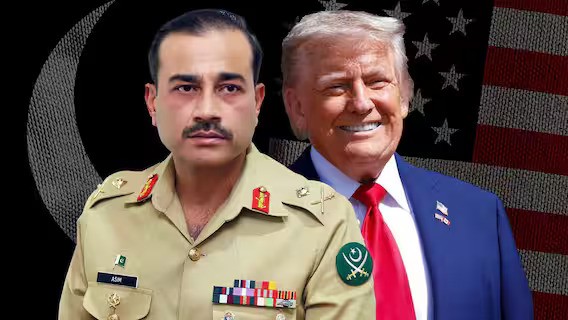
Pakistan’s army chief, Field Marshal Asim Munir, now faces his toughest political and strategic challenge. The United States wants Pakistan to send troops to Gaza. President Donald Trump has pushed the idea as part of a broader post-war plan. As a result, Munir must balance foreign pressure with domestic risk.
According to officials cited by Reuters, Munir plans to visit Washington in the coming weeks. He will meet Trump for the third time in six months. This meeting will likely focus on the proposed Gaza stabilisation force. One source involved in Munir’s US outreach said the talks carry high stakes.
Trump’s proposal forms part of a 20-point Gaza plan. The plan seeks troops from Muslim-majority nations. These forces would oversee a transition period after Israeli troops withdraw. The goal includes reconstruction and economic recovery. Gaza has suffered massive destruction after more than two years of war between Israel and Hamas.
However, many countries remain cautious. The plan also aims to demilitarise Hamas. That task could pull foreign troops into active conflict. Experts warn that such involvement could inflame public opinion at home. Pro-Palestinian and anti-Israeli sentiment runs strong across much of the Muslim world.
For Munir, the dilemma cuts deeper. He has worked hard to rebuild trust with Washington after years of strain. In June, Trump hosted him for a private White House lunch. No US president had done that before without civilian Pakistani leaders present. That gesture strengthened Munir’s standing. It also raised expectations.
Backing away from the Gaza request could upset Trump. Yet sending troops could spark unrest at home. Analysts say Munir now walks a narrow path. Michael Kugelman of the Atlantic Council noted that Pakistan wants US investment and security support. He said angering Trump could carry real costs.
Pakistan’s military strength adds to the pressure. The country holds nuclear weapons. It also fields a battle-tested army. Over the years, Pakistan has fought wars, crushed insurgencies, and battled Islamist militants. Defence analyst Ayesha Siddiqa said this capacity puts added expectations on Munir to act.
Still, Islamabad has signalled limits. Foreign Minister Ishaq Dar said last month that Pakistan could consider peacekeeping. However, he stressed that disarming Hamas does not fall under Pakistan’s role.
Meanwhile, Munir’s power at home has grown sharply. Earlier this month, authorities appointed him chief of the defence forces. He now oversees the army, air force, and navy. Lawmakers also granted him an extension until 2030. Recent constitutional changes gave him lifetime legal immunity. Analysts say few figures in Pakistan wield such authority.
In recent weeks, Munir met leaders from Indonesia, Malaysia, Saudi Arabia, Turkey, Jordan, Egypt, and Qatar. The military described these meetings as routine. Observers see them as consultations on Gaza.
Yet domestic risks loom large. Islamist parties in Pakistan strongly oppose Israel and the US. They hold the ability to mobilise street protests. Authorities recently banned one hardline group and arrested its leaders. Still, its ideology remains influential.
Supporters of jailed former prime minister Imran Khan also oppose Munir. Khan’s party won the most seats in the 2024 elections. Its base could join protests if tensions rise.
Analyst Abdul Basit warned of rapid escalation. If Pakistani troops deploy to Gaza, critics may accuse Munir of serving Israeli interests. That narrative could spread fast.
For now, Munir holds the reins. Yet Gaza may test how far his power can stretch without breaking Pakistan’s fragile balance.