Mexico’s big tariff shift hits India and Asia: A new protectionist turn
Mexico changed its trade playbook this week. The government raised tariffs sharply on imports from India and several Asian nations. The move surprised global markets because Mexico has long backed open trade. Yet, the new policy signals a clear shift toward protectionism.
Mexico’s Senate approved the plan with a large majority. The government now imposes duties of up to 50% on more than 1,400 products from countries without a trade deal with Mexico. The list includes India, China, South Korea, Thailand and Indonesia. Lawmakers pushed the bill through despite protests from industry groups and objections from China.
The tariff rollout starts next year and expands through 2026. The new rates cover a wide range of goods. Automobiles, parts, textiles, metals, plastics and footwear all fall under the revised regime. Some products attract the full 50% duty. Most fall into the 35% category.
India feels the hit first
India has tried to increase its presence in Latin America. It has pushed exports of textiles, machinery, auto components and engineering goods. Mexico, as the region’s second-largest economy, offered a valuable entry point. Indian exporters also used Mexico as a route into the US market because of its place in North American supply chains.
Now, that path gets tougher. Higher tariffs raise costs for Indian firms. Several Mexican manufacturers already warned that the duties will push up production expenses and fuel inflation. India’s Commerce Ministry has not responded yet, but exporters expect a setback.
Indian companies now face three immediate challenges. First, they lose price competitiveness in key sectors. Second, they may need to rethink supply chains routed through Mexico. Third, they must absorb higher landed costs while serving North American clients.
US pressure looms in the background
Analysts in New Delhi and Latin America see a pattern. They believe Mexico acted under pressure from Washington. The US prepares for the 2026 review of the USMCA trade pact. Washington has hardened its stance on Chinese imports. Mexico may be signalling cooperation with the US to ease American tariffs on its own steel and aluminium exports.
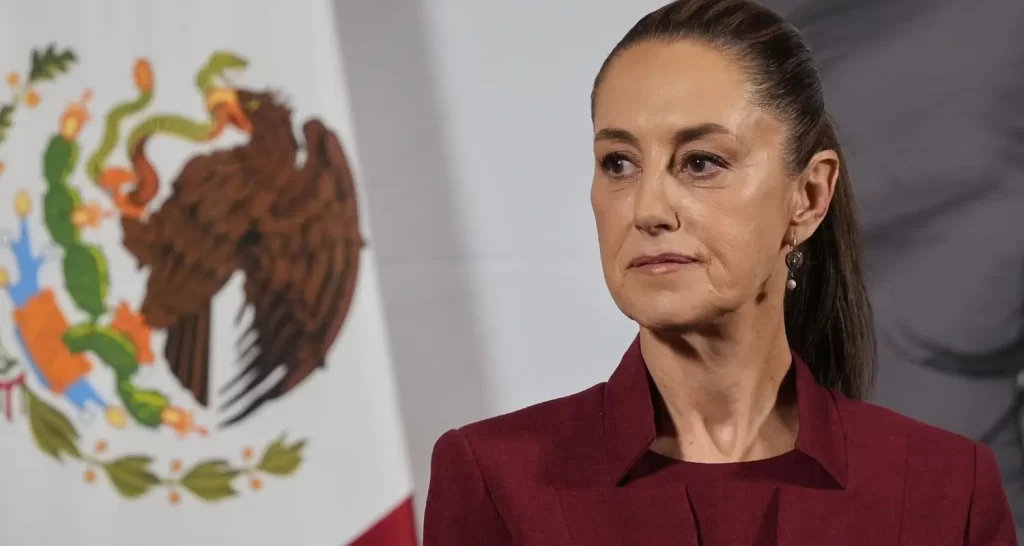
President Claudia Sheinbaum denied any US link. However, the tariff structure mirrors US actions. Earlier drafts of the bill had suggested even harsher measures. Lawmakers softened the list but still approved a wide sweep of duties.
Mexico expects to collect nearly 52 billion pesos next year from the new tariffs. The finance ministry says it needs the revenue to narrow its fiscal deficit.
Strong reactions inside Mexico
Mexican politicians remain divided. Opposition senator Mario Vazquez said the tariffs may shield some industries but also burden consumers. He questioned how the government will use the new revenue. Morena party leaders defended the bill. They argued that Mexico must protect jobs and strengthen its position in global supply chains.
Local auto groups especially supported the move. Chinese car brands now hold nearly 20% of Mexico’s auto market. Industry leaders fear that rapid growth could threaten domestic manufacturing. Under the new rules, Chinese cars face the highest tariff at 50%.
More changes likely
The new law also allows Mexico’s Economy Ministry to revise tariffs quickly. This power lets Mexico adjust duties ahead of the USMCA review. Indian exporters should expect more fluctuations.
North America is tightening its trade walls. The US and Canada have already increased scrutiny on Chinese supply routes. Mexico now joins that shift. As a result, Indian exporters must prepare for a new, more restrictive landscape across the region.